
Silicone Conformal Coating: The Flexible Shield for Reliable Electronics

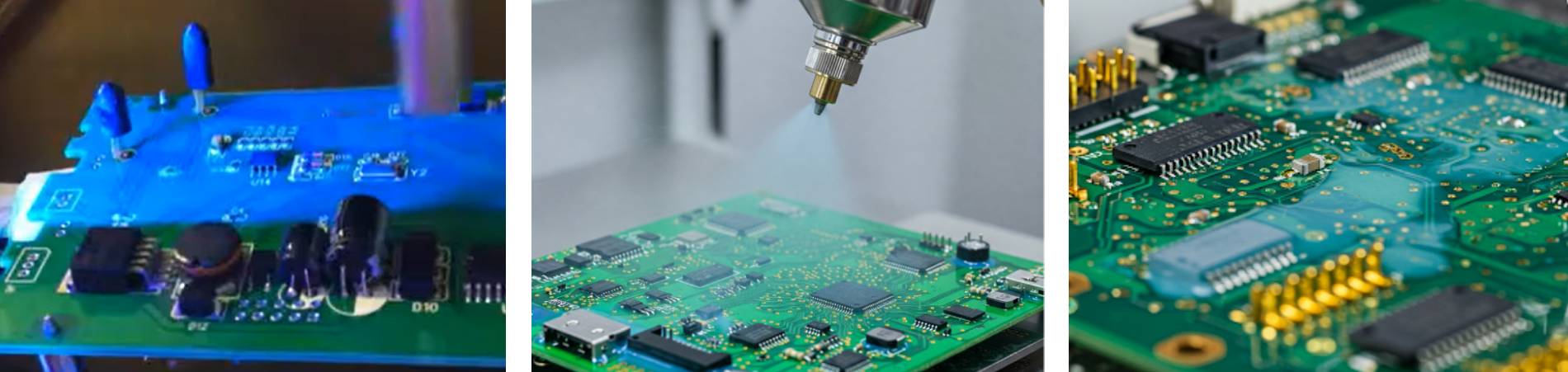
The miniaturization of electronics has revolutionized technology, but it's also introduced new challenges. Delicate components are now more susceptible to environmental threats like moisture, extreme temperatures, and physical stress. This is where silicone conformal coating steps in, offering a flexible and resilient shield that safeguards your electronic devices. What is Silicone Conformal Coating? Silicone conformal coating is a thin layer of silicone-based polymer applied to printed circuit boards (PCBs) and electronic components. Unlike some rigid coatings, silicone forms a flexible, rubbery layer that conforms to the intricate shapes of components, creating a protective barrier against a range of environmental hazards. Why Choose Silicone Conformal Coating? Silicone conformal coating boasts unique properties that make it a compelling choice for various applications: Superior Flexibility: Unlike rigid coatings that can crack under stress, silicone remains flexible, accommodating thermal expansion and contraction of components. Exceptional Durability: Silicone is known for its resistance to extreme temperatures, vibrations, and harsh chemicals, ensuring long-lasting protection for your electronics. Enhanced Moisture Resistance: Silicone forms an effective barrier against moisture ingress, preventing electrical shorts and corrosion caused by humidity or liquid exposure. Broad Range of Applications: From consumer electronics to industrial control systems and even harsh outdoor environments, silicone conformal coating offers versatile protection. Improved Thermal Management: Certain silicone formulations can aid in heat dissipation, contributing to optimal performance of your electronic devices. Applications for Silicone Conformal Coating The unique properties of silicone conformal coating make it suitable for various applications: Automotive Electronics: Protecting critical components in cars and motorcycles exposed to vibration, extreme temperatures, and moisture. Industrial Automation: Safeguarding electronics within industrial machinery operating in harsh environments with dust, chemicals, and potential for water splashes. Medical Devices: Ensuring reliable performance of medical equipment exposed to cleaning solutions, humidity, and potential for physical contact. Consumer Electronics: Adding a layer of protection to smartphones, wearables, and other portable devices in everyday use scenarios. Outdoor Electronics: Shielding components in outdoor applications like security cameras, weather stations, and LED displays exposed to sunlight, rain, and extreme temperatures. Choosing the Right Silicone Conformal Coating Selecting the optimal silicone conformal coating requires considering your specific application: Desired Flexibility: Choose the level of flexibility based on the potential movement or stress your components might experience. Temperature Range: Ensure the coating can withstand the operating temperature range of your electronics. Chemical Resistance: Consider potential exposure to chemicals or cleaning solutions and choose a coating with appropriate resistance. Application Method: Different methods exist (dipping, spraying, brushing) – select the one that aligns with your production volume and desired coating thickness. Invest in Long-Lasting Protection with Silicone Conformal Coating Silicone conformal coating is a valuable investment for ensuring the reliability and longevity of your electronic devices. By offering superior flexibility, durability, and environmental protection, it safeguards your electronics against a wide range of threats. So, consider incorporating silicone conformal coating into your manufacturing process or electronic repair projects to provide your devices with the flexible shield they need to perform optimally for years to come.

Comments Off on Silicone Conformal Coating: The Flexible Shield for Reliable Electronics

Thermally Conductive Grease: Bridging the Heat Gap for Optimal Electronics Cooling

Prevent overheating and extend the lifespan of your electronics with thermally conductive grease. Discover how it enhances heat transfer, its applications in CPU/GPU cooling, and key selection factors.Introduction: In today's compact electronics, effective heat management is critical. High-performance CPUs, GPUs, and other components generate significant heat, risking malfunctions and reduced lifespan. Thermally conductive grease, also known as thermal paste, is a vital solution for efficient heat transfer. This guide explores its benefits, applications, and selection criteria. What is Thermally Conductive Grease (Thermal Paste)? Thermal paste is a paste-like substance designed to enhance heat dissipation in electronic devices. It consists of a base oil and thermally conductive fillers, such as metal oxides or ceramics. Unlike electrical insulators, these fillers facilitate heat conductivity, transferring heat from the heat source (e.g., CPU) to a heat sink or cooling system. Why Use Thermally Conductive Grease for CPU Cooling and Electronics? Improved Heat Transfer: Fills microscopic gaps for optimal CPU cooling and GPU cooling. Enhanced Cooling Performance: Enables efficient electronics heat management, preventing overheating. Reduced Overheating Risk: Extends component lifespan by ensuring proper thermal management. Easy Application: Convenient application for DIY enthusiasts and professionals. Cost-Effective Cooling Solution: An affordable way to improve device performance. Applications of Thermal Paste in Electronics: CPU Thermal Paste: Crucial for CPU heat dissipation in desktop and laptop computers. GPU Thermal Paste: Essential for managing heat in graphics cards. Laptop Cooling: Improves thermal management in compact devices. Power Electronics Cooling: Used in voltage regulators and power supplies. LED Lighting Heat Management: Ensures longevity of LED modules. How to Choose the Best Thermally Conductive Grease: Thermal Conductivity (W/mK): Higher values indicate better heat transfer. Viscosity: Ensures proper application and gap filling. Operating Temperature Range: Matches the device's operating conditions. Electrical Conductivity: Choose non-conductive paste for most applications. Conclusion: Thermally conductive grease is essential for maintaining optimal thermal performance in electronic devices. By prioritizing proper heat dissipation, you can enhance component lifespan and ensure peak performance. When building or upgrading your PC, or improving your device's cooling, consider using high-quality thermal paste for effective heat management.
Comments Off on Thermally Conductive Grease: Bridging the Heat Gap for Optimal Electronics Cooling

The Instant Fixer: Why Cyanoacrylate Adhesives Deserve a Spot in Your Toolkit

In the fast-paced world of repairs and DIY projects, time is often of the essence. Enter cyanoacrylate adhesives, also known as super glue! These remarkable adhesives offer an instant bonding solution for a wide range of materials, making them a must-have for any toolbox. What is Cyanoacrylate? Cyanoacrylate is a powerful adhesive that cures rapidly when exposed to moisture. It comes in various viscosities (thicknesses) and formulations, catering to diverse bonding needs. From thin, fast-acting formulas for small repairs to thicker gels for gap-filling applications, there's a cyanoacrylate perfect for your project. Why Choose Cyanoacrylate Adhesives? The unique properties of cyanoacrylate adhesives make them a compelling choice for various scenarios: Unmatched Speed: Forget about waiting hours for your glue to dry. Cyanoacrylate bonds form in seconds, minimizing downtime and streamlining your workflow. Strong Bonds: These adhesives create surprisingly strong bonds that can withstand significant stress in many applications. Versatility Across Materials: Cyanoacrylate can effectively bond a wide range of materials, including plastics, metals, wood, ceramics, and even rubber. Simple Application: Most cyanoacrylates come in easy-to-use applicator bottles or tubes, requiring minimal preparation for use. Cost-Effective Solution: Cyanoacrylate adhesives are generally affordable, offering a budget-friendly solution for a multitude of repair tasks. Applications for Cyanoacrylate Adhesives The speed and versatility of cyanoacrylate adhesives make them suitable for various projects, including: Household Repairs: Fixing broken furniture, mending chipped ceramics, and reattaching loose trim are just a few examples. Hobby and Craft Projects: Creating models, jewelry, and other decorative items is made easier with the instant bonding power of cyanoacrylate. Quick Fixes: From reattaching a button to a shirt to mending a broken toy, cyanoacrylate is your go-to solution for small, on-the-spot repairs. Automotive Applications: Securing loose parts, repairing minor cracks in plastic components, and weatherproofing electrical connections are some potential uses. Professional Applications: Cyanoacrylate adhesives find use in various industries for rapid bonding and repairs. Choosing the Right Cyanoacrylate Adhesive With a variety of cyanoacrylate options available, selecting the right one for your project is essential: Material Compatibility: Ensure the chosen adhesive is compatible with the materials you're bonding. Some formulations might not be suitable for certain plastics. Viscosity: Opt for a thinner viscosity for small surfaces or intricate repairs, while thicker gels are ideal for gap-filling applications. Curing Time: While cyanoacrylates are generally fast-acting, some offer even faster cure times for situations requiring immediate bonding. Surface Preparation: For optimal bond strength, ensure the bonding surfaces are clean, dry, and free of contaminants. Cyanoacrylate: Your Speedy Repair Partner Cyanoacrylate adhesives are a game-changer for quick repairs, crafting projects, and various professional applications. Their unmatched speed, strong bonds, and versatility make them a valuable addition to any toolbox. So, next time you face a repair challenge, consider the power of cyanoacrylate and experience the instant fixing magic for yourself!

Comments Off on The Instant Fixer: Why Cyanoacrylate Adhesives Deserve a Spot in Your Toolkit

UV Conformal Coatings – INCURE

The miniaturization of electronics has revolutionized technology, but it's also introduced new challenges. Delicate electronic components are now more susceptible to environmental threats like moisture, dust, and extreme temperatures. This is where conformal coating comes in – a microscopic shield that offers unparalleled protection for your electronic devices. What is Conformal Coating? Conformal coating is a thin layer of polymeric film applied to printed circuit boards (PCBs) and electronic components. This coating conforms to the intricate shapes of the components, creating a protective barrier against a range of environmental hazards. Why Choose Conformal Coating? Conformal coating offers a multitude of benefits that safeguard your electronic devices: Enhanced Reliability: By protecting against moisture, dust, and corrosion, conformal coating prevents electrical shorts and malfunctions, extending the lifespan of your electronics. Improved Thermal Management: Certain coatings can help dissipate heat more effectively, ensuring optimal performance for your devices. Reduced Size and Weight: Conformal coatings are incredibly thin, adding minimal weight or bulk to your electronics, making them ideal for miniaturized devices. Protection Against Physical Stress: Some coatings offer a degree of protection against physical impact and vibrations, safeguarding delicate components. Broad Range of Applications: Conformal coatings are suitable for various electronic devices, from smartphones to industrial control systems. Types of Conformal Coating Conformal coatings come in various formulations, each with its own strengths: Acrylics: Offer excellent clarity, flexibility, and moisture resistance. Silicones: Provide superior flexibility, vibration dampening, and resistance to extreme temperatures. Polyurethanes: Renowned for their durability, chemical resistance, and ability to withstand harsh environments. Epoxy: Known for their exceptional strength and electrical insulation properties. Incure Ultra-Illumina™ Series Core Products Product Description Substrates Color Viscosity (cP) Tensile Strength (psi) Hardness (Shore D) Elongation (%) 3502 Low viscosity, hard and resilient UV curable conformal coating (30-150 microns) for PCBAs. Designed for high volume spray valve systems, preventing clogging. Fluorescing for easy in-line inspection. Multi-Substrates Clear (Fluorescing) 350 Good 68 - 78 55 3511 Low viscosity, clear, hard and glossy resilient UV curable conformal coating (30-500 microns) for PCBAs. Secondary heat-cure for shadowed areas. Fluorescing for inspection. Multi-Substrates Clear (Fluorescing) 150 4,400 - 5,700 59 - 69 400 3511B Low viscosity, black opaque, hard and glossy resilient UV curable conformal coating (30-500 microns) for PCBAs. Secondary heat-cure for shadowed areas. Multi-Substrates Opaque Black 160 4,400 - 5,700 75 - 85 15 3552 Low viscosity, clear, hard and glossy resilient UV curable conformal coating (30-500 microns) for PCBAs. Secondary heat-cure for shadowed areas. Higher hardness for increased durability. Fluorescing for inspection. Multi-Substrates Clear (Fluorescing) 400 4,400 - 5,700 75 - 85 15 3561 Very low viscosity, hard, and resilient UV curable conformal coating (30-150 microns) for PCBAs. Designed for high volume spray valve systems, preventing clogging. Fluorescing for easy in-line inspection. Multi-Substrates Yellow Tint (Fluorescing) 225 Good 35 - 45 74 5511 Low viscosity, clear, hard, and glossy resilient medical-grade UV curable conformal coating (30-500 microns) for PCBAs. Secondary heat-cure for shadowed areas. Fluorescing for inspection. Multi-Substrates Clear Transparent (Fluorescing) 150 4,400 - 5,700 75 -…

Comments Off on UV Conformal Coatings – INCURE

High Temperature Repair Putty – INCURE

Facing high-heat challenges? High-temperature putty offers extreme heat resistance, durability, and easy application. Ideal for furnace repairs, exhaust fixes, and more. Find the perfect putty for your needs.Why Choose High-Temperature Putty?High-temperature putty stands apart due to its unique properties:Extreme Heat Resistance: Withstands intense heat, from hundreds to over 2000°F (depending on the specific formula), ensuring reliability in the hottest environments.Versatility: Ideal for a wide range of repairs, sealing, and even creating custom, heat-resistant parts.Easy Application: Most are pliable, allowing for simple shaping and application on uneven surfaces.Durable Bond: Cures to form a strong, permanent bond for long-lasting results.Fire-Resistant Options: Some formulas offer added fire resistance for enhanced safety.Where to Use High-Temperature Putty:High-temperature putty finds applications across various industries and projects:Furnace & Fireplace Repair: Seal cracks, gaps, and leaks in furnaces, fireplaces, and other heating appliances.Exhaust System Fixes: Repair cracked or leaking exhaust pipes effectively.Boiler Maintenance: Seal minor leaks and gaps in boilers.Custom Gaskets & Seals: Create heat-resistant gaskets and seals for ovens, grills, and other high-temperature equipment.Electrical Insulation: Insulate electrical components exposed to heat (check specific product recommendations). Incure Epo-Weld™ Series Core Products ProductDescriptionColorViscosity (cP)Number of ComponentsSpecific Gravity (gms/cc)Air Set (hrs)Heat Cure (°F, hrs)Max. Temp. (°F)HTCP-550Repairs cast iron and steel parts up to 3/8" thick to 2000°F. Water-based paste putty.Dark GreyPaste11.52-4200, 2-42,000HTCP-650Thixotropic paste putty for sealing boiler doors and molten metal systems. Easy to apply and removable. For uses to 2300°F.Brownish GreyPaste11.271-2200, 12,300HTCP-750Repairs cast aluminum parts up to 1/2" thick to 1400°F. Water-based paste putty.Light GreyPaste21.82-4160, 1-21,400HTCP-850Organic caulk putty for sealing high-temperature flanges and joints to 950°F, 750 psi. Cures into a tough, pliable, inert material.GreyPaste11.09N.A.400, 1 or 225, 6950HTCP-950Repairs cast iron, steel, and stainless steel parts on vertical surfaces and up to 1/2" thick to 2000°F. Water-based paste putty.GreyPaste11.92-4200, 32,000Package Size: Pint / Quart / Gallon (HTCP-850 is only available in 11oz tube)Selecting the Right High-Temperature Putty:Choosing the best high-temperature putty requires considering these crucial factors:Temperature Rating: Match the putty's maximum temperature rating to the highest temperature it will encounter. Always choose a rating that exceeds your project's requirements.Material Compatibility: Ensure the putty bonds effectively with the materials you're working with (e.g., metal, ceramic).Application Needs: Determine if you need a moldable putty for repairs or a more rigid one for creating parts.Cure Time & Temperature: Select a putty with curing requirements that fit your project timeline and resources.Fire Resistance: If fire safety is a priority, choose a putty specifically designed for fire resistance.High-Temperature Putty: Your Heat-Resistant SolutionHigh-temperature putty is a powerful tool for tackling repairs, sealing leaks, and creating custom components in extreme heat environments. By understanding its benefits, applications, and selection criteria, you can confidently choose the right high-temperature putty for your project, ensuring lasting performance even under intense heat.

Comments Off on High Temperature Repair Putty – INCURE

Bonding at the Speed of Light: The Advantages of UV Adhesives

In today's fast-paced world, efficiency is key. This holds true even for the humble adhesive. Enter UV adhesives, a revolutionary type of glue that cures in a matter of seconds with the help of ultraviolet light. If you're looking for a strong, rapid-bonding solution, UV adhesives offer a compelling alternative to traditional glues. What are UV Adhesives? UV adhesives are formulated with light-sensitive resins, typically acrylates or epoxies. Unlike conventional glues that cure through chemical reactions or solvent evaporation, UV adhesives require exposure to ultraviolet light to solidify. This light triggers a rapid polymerization process, transforming the liquid adhesive into a strong, permanent bond. Why Choose UV Adhesives? The unique curing mechanism of UV adhesives unlocks a plethora of benefits: Unmatched Speed: Forget about waiting hours for your glue to dry. UV adhesives cure in seconds upon exposure to UV light, significantly accelerating your project timeline. Exceptional Bond Strength: UV adhesives form strong, durable bonds that can withstand a variety of environmental stresses, making them ideal for demanding applications. Versatility Across Materials: These adhesives can effectively bond a wide range of materials, including glass, plastics, metals, and even some fabrics. Clean and Controlled Application: UV adhesives typically cure only when exposed to light, allowing for precise control over the bonding process and minimizing mess. Reduced Environmental Impact: Many UV adhesives are solvent-free, minimizing harmful VOC emissions and contributing to a healthier work environment. Applications for UV Adhesives The rapid curing and strong bonding properties of UV adhesives make them suitable for various applications, including: Electronics Assembly: Bonding delicate electronic components quickly and securely. Medical Devices: Creating strong, reliable bonds in medical devices that require precise assembly. Optical Applications: Bonding lenses and other optical components due to their clarity and minimal shrinkage. Automotive Industry: Adhering parts in automotive components that require high strength and durability. Arts and Crafts: Creating permanent bonds for jewelry making, scrapbooking, and other craft projects. Considerations for Using UV Adhesives While UV adhesives offer numerous advantages, there are a few factors to keep in mind: Light Source Requirement: You'll need a dedicated UV light source, such as a UV lamp, to cure the adhesive. Limited Working Time: Once dispensed, the adhesive has a limited working time before exposure to light becomes necessary. Material Compatibility: Not all materials are compatible with UV adhesives. It's crucial to check for compatibility before application. Embrace the Speed and Strength of UV Adhesives UV adhesives are a game-changer for applications demanding rapid, high-strength bonding. Their versatility, clean application process, and minimal environmental impact make them a valuable tool for professionals and DIYers alike. So, if you're looking to streamline your workflow and achieve exceptional results, consider incorporating UV adhesives into your toolbox!

Comments Off on Bonding at the Speed of Light: The Advantages of UV Adhesives

Dispensing Tips

Boost product quality and cut waste with precise dispensing. This guide covers dispensing needle types and selection criteria for manufacturers. Discover how Blaze optimizes dispensing projects, ensuring accuracy, enhancing collaboration, and lowering material costs.This comprehensive guide will delve into the world of dispensing needles, exploring their various types, applications, and key considerations for manufacturers. We'll also introduce you to Blaze, a cutting-edge solution that can help you optimize your dispensing needle projects.Understanding Dispensing NeedlesDispensing needles are hollow tubes designed to deliver precise amounts of fluids or other materials. They are used in a wide range of industries, including:Electronics: Applying adhesives, sealants, and encapsulants for electronic components.Medical devices: Dispensing medications, fluids, and other substances in medical procedures.Automotive: Applying adhesives, sealants, and lubricants in vehicle assembly.Aerospace: Applying sealants, adhesives, and coatings in aircraft manufacturing.Manufacturing: General assembly, product finishing, and other applications requiring precise material dispensing.Types of Dispensing NeedlesDispensing needles come in a variety of shapes, sizes, and materials, each designed for specific applications. Some common types include:Tapered needles: These needles have a tapered shape that allows for smooth and controlled dispensing of viscous materials.Blunt needles: Blunt needles are ideal for dispensing thicker materials and for applications where a sharp point is not required.Angled needles: Angled needles are designed for dispensing in hard-to-reach areas.Specialty needles: There are a variety of specialty needles available for specific applications, such as micro-dispensing and dispensing of abrasive materials. Premium ESD-Safe Dispensing TipsGaugeI.D./O.D. (mm)0.25"0.5"1.0"1.5"Color141.55 / 1.82BC-0430BC-0352BC-0388BC-0442Olive151.37 / 1.82BC-0431BC-0353BC-0389BC-0443Amber180.84 / 1.27BC-0432BC-0354BC-0390BC-0444Green200.60 / 0.91BC-0433BC-0355BC-0391BC-0445Pink210.51 / 0.82BC-0434BC-0356BC-0392BC-0446Purple220.41 / 0.71BC-0435BC-0357BC-0393BC-0447Blue230.34 / 0.64BC-0436BC-0358BC-0394BC-0448Orange250.26 / 0.51BC-0437BC-0359BC-0395BC-0449Red270.21 / 0.41BC-0438BC-0360BC-0396BC-0450Clear300.16 / 0.31BC-0439BC-0361BC-0397 Lavender320.09 / 0.25BC-0362   Yellow340.06 / 0.25BC-0363   Light Green ESD-Safe Dispensing TipsGaugeI.D./O.D. (mm)0.5"1.0"1.5"Color 141.77 / 2.11BC-0901BC-0931BC-0948Deep Green 151.51 / 1.83BC-0902BC-0932BC-0949Orange 161.35 / 1.65BC-0903BC-0933BC-0950Purple 171.17 / 1.48BC-0904BC-0934BC-0951White 180.99 / 1.27BC-0905BC-0935BC-0952Pink 190.79 / 1.06BC-0906BC-0936BC-0953Brown 200.64 / 0.91BC-0907BC-0937BC-0954Yellow 210.56 / 0.82BC-0908BC-0938BC-0955Green 220.46 / 0.72BC-0909BC-0939BC-0956Black 230.41 / 0.64BC-0910BC-0940BC-0957Light Blue 240.33 / 0.57BC-0911BC-0941BC-0958Red 250.30 / 0.51BC-0912BC-0942BC-0959Blue 260.26 / 0.46BC-0913BC-0943BC-0960Beige 270.22 / 0.41BC-0914BC-0944BC-0961Grey 300.15 / 0.31BC-0915BC-0945BC-0962Lavender Key Considerations for ManufacturersWhen selecting dispensing needles for your manufacturing process, it's crucial to consider the following factors:Material compatibility: Ensure the needle material is compatible with the substance being dispensed.Needle gauge: The needle gauge refers to the inner diameter of the needle. Choose the appropriate gauge based on the viscosity of the material and the desired dispensing volume.Needle length: The needle length should be appropriate for the application and the dispensing equipment being used.Tip style: The needle tip style can affect the dispensing accuracy and flow rate.Sterility: For medical applications, sterile needles are essential.

Comments Off on Dispensing Tips