Seal the Deal: Light-Curable Form-In-Place (FIP) & Cure-In-Place (CIP) Gaskets for Industrial Assembly

In the fast-paced world of industrial assembly, efficiency and reliability reign supreme. Traditional gasketing methods, like pre-cut gaskets and messy adhesives, can be time-consuming and prone to errors. Enter Light-Curable Form-In-Place (FIP) & Cure-In-Place (CIP) Gaskets – a revolutionary solution that streamlines assembly processes and ensures secure, leak-proof seals. This blog delves into the world of light-curable FIP/CIP gaskets, exploring their functionalities, advantages, and diverse applications in industrial settings. What are Light-Curable FIP/CIP Gaskets? Light-Curable FIP/CIP gaskets are innovative liquid sealants that eliminate the need for pre-cut gaskets. Here's what sets them apart: On-Demand Dispensing: The liquid form allows for precise application directly onto the assembly surfaces, eliminating the need for pre-cut gaskets and minimizing waste. Rapid Curing: Exposure to UV light triggers rapid polymerization, creating a strong, durable seal within seconds or minutes, significantly reducing assembly time. Conformable Sealing: The liquid form fills even the most intricate gaps and contours, ensuring a tight and reliable seal. Versatility: Available in various formulations to adhere to different materials and withstand diverse environmental conditions. Self-Leveling Properties: Certain FIP/CIP gaskets self-level, simplifying application and ensuring a uniform seal thickness. Benefits of Light-Curable FIP/CIP Gaskets Light-Curable FIP/CIP gaskets offer numerous advantages over traditional gasketing methods: Increased Efficiency: On-demand application and rapid curing significantly reduce assembly times and labor costs. Improved Precision: Precise dispensing eliminates misalignment issues common with pre-cut gaskets, leading to more reliable seals. Reduced Waste: Eliminates the need for pre-cut gaskets and minimizes the risk of incorrect size selection, reducing material waste. Enhanced Design Flexibility: FIP/CIP gaskets can be applied to complex geometries, offering greater design freedom compared to pre-cut options. Durable and Leak-Proof Seals: Cured FIP/CIP gaskets form strong, long-lasting seals that resist various environmental conditions, minimizing the risk of leaks. Applications for Light-Curable FIP/CIP Gaskets The versatility and efficiency of FIP/CIP gaskets make them ideal for a wide range of industrial assembly applications: Electronics Manufacturing: Seal enclosures, protect delicate components from dust and moisture. Automotive Assembly: Securely seal engine components, lights, and other parts. Appliance Manufacturing: Create leak-proof seals in appliances like refrigerators, dishwashers, and washing machines. Medical Device Assembly: Ensure secure and sterile seals in medical devices. Aerospace Applications: Withstand demanding environments and create reliable seals in aerospace components. Choosing the Right Light-Curable FIP/CIP Gasket Selecting the optimal FIP/CIP gasket requires considering several factors: Substrate Compatibility: Ensure the chosen gasket material adheres well to the specific surfaces being sealed. Environmental Conditions: Select a gasket formulation that can withstand the expected temperature, pressure, and chemical exposure. Desired Seal Characteristics: Consider factors like flexibility, compression set, and chemical resistance based on the application needs. Curing Speed: Choose a curing speed that aligns with your production line throughput for optimal efficiency. Application Method: Determine if manual or automated dispensing is required, and select a FIP/CIP gasket with the appropriate viscosity. Embrace Efficiency and Reliability with Light-Curable FIP/CIP Gaskets Light-Curable FIP/CIP gaskets offer a game-changing solution for industrial assembly. Their on-demand application, rapid curing, and conformable sealing capabilities streamline assembly processes and ensure…

Comments Off on Seal the Deal: Light-Curable Form-In-Place (FIP) & Cure-In-Place (CIP) Gaskets for Industrial Assembly

UV Curable Encapsulants – INCURE

 Microelectronics need protection? UV curable encapsulants offer rapid curing & robust defense against moisture & stress. Learn more. Microelectronics are the building blocks of modern technology, powering everything from smartphones to medical devices. Protecting these delicate components during assembly and throughout their lifespan is crucial for ensuring device reliability. This blog explores UV light curable encapsulants, a revolutionary solution for microelectronic assembly and integrated circuit (IC) protection. What are UV Light Curable Encapsulants? UV light curable encapsulants are specialized liquid materials that solidify upon exposure to ultraviolet (UV) light. Here's what makes them ideal for microelectronics: Fast Curing: Exposure to UV light triggers rapid polymerization, creating a protective layer around the microelectronic components within seconds or minutes. This expedites assembly processes compared to traditional methods. Conformal Coating: The liquid form fills even the most intricate gaps and contours on the microelectronic components, providing a seamless and complete encapsulation. Excellent Protection: Cured encapsulants offer superior protection against moisture, contamination, mechanical stress, and environmental factors that can damage delicate electronic components. Transparent and Low Outgassing: Encapsulants are typically clear, allowing for easy visual inspection of components. They also exhibit minimal emission of volatile organic compounds (VOCs) during curing, minimizing potential harm to components. Variety of Formulations: Available in various viscosities and with different properties to cater to specific needs, such as thermal conductivity or flame retardancy. Benefits of UV Light Curable Encapsulants for Microelectronics UV light curable encapsulants offer significant advantages over traditional encapsulation methods: Increased Throughput: Fast curing times significantly reduce assembly times compared to heat-cured epoxies, boosting production efficiency. Improved Quality Control: Rapid curing minimizes the risk of component damage from prolonged exposure to heat. Enhanced Reliability: Superior protection against environmental factors leads to more reliable and longer-lasting microelectronic devices. Simplified Processing: One-part formulations eliminate the need for complex mixing procedures, simplifying application. Environmentally Friendly: UV curing reduces energy consumption compared to heat-curing methods. Certain formulations offer low VOC emissions. Incure Encap™ Series Core Products Product Description Substrates Color Viscosity (cP) Tensile Strength (psi) Hardness (Shore D) Elongation (%) 3522 Low viscosity encapsulant providing a clear, hard, sleek, and resilient protective coating (300-4,500 microns). Very low water absorption for reliable performance in Singapore's humid climate. Low Adhesion Clear 20 150 84 - 94 4 3555 Ultra-low stress, clear electronic component encapsulant with fast curing and good light transmission. Enhanced moisture and temperature resistance. Gentle on flexible circuits. Multi-Substrates (Low Adhesion) Clear 20 4,150 63 - 73 32 Package Size: 10 ml syringe / 30 ml syringe / 30 ml squeeze bottle / 100 ml squeeze bottle / 250 ml squeeze bottle / 1 kg Bottle / 1 Gallon Pail / 2 Gallon Pail / 5 Gallon Pail Applications for UV Light Curable Encapsulants The versatility and protective properties of UV light curable encapsulants make them ideal for various microelectronic assembly and IC protection applications: Chip-on-Board (COB) Assembly: Encapsulate delicate electronic components directly onto printed circuit boards (PCBs). Ball Grid Array (BGA) Encapsulation: Protect BGA packages used in high-density electronic…

Comments Off on UV Curable Encapsulants – INCURE

UV Curable Plastic Adhesives – INCURE

Discover the best UV adhesives for plastic manufacturing. Learn about benefits, selection, & applications for strong, efficient bonding. In the realm of industrial manufacturing, the selection of the right adhesive can significantly impact the quality, efficiency, and overall success ofa product. For applications involving plastics, UV adhesives have emerged as a preferred choice due to their numerous advantages. This guide delves into the world of UV adhesives, exploring their unique characteristics, benefits, and considerations for manufacturers and professionals.Understanding UV AdhesivesUV adhesives, also known as light-curing adhesives, are a special class of adhesives that cure or harden upon exposure to ultraviolet (UV) light. This rapid curing process sets them apart from traditional adhesives, offering several distinct advantages in manufacturing environments.Benefits of UV Adhesives for Plastic ApplicationsRapid Curing: UV adhesives cure almost instantly upon exposure to UV light, significantly accelerating production lines and reducing assembly time.High Strength and Durability: Once cured, UV adhesives form strong, durable bonds that can withstand various environmental conditions and stresses.Precise Application: UV adhesives can be precisely dispensed using automated systems, ensuring consistent bond lines and minimizing waste.Versatility: UV adhesives are compatible with a wide range of plastics, including rigid and flexible materials, making them suitable for diverse applications.Low Odor and VOC Emissions: Many UV adhesives are formulated with low or no volatile organic compounds (VOCs), making them environmentally friendly and safe for workers.Incure Uni-Weld™ Series Core ProductsProductDescriptionSubstratesColorViscosityTensile (psi)HardnessElongation1013High-strength adhesive for bonding a wide range of plastics, including Ultem and PVC. Tack-free cure with minimal shrinkage, ideal for optics and precision devices.Multi-Substrates (High Strength Plastics)Slight Yellow Tint1,150 cP7,100D68420%1465High-viscosity bonder for plastics, metals, and glass. Excellent for bonding dissimilar materials with minimal linear shrinkage.High Strength Multi-SubstratesSlight Translucent6,000 cP5,400D60-D70105%5942VTClear, high-strength adhesive with very high viscosity for bonding demanding plastics. Ideal for applications requiring strong, durable bonds.Multi-Substrates (High Strength Plastics)Clear Transparent25,000 cP11,300D65-D753%1827High-strength, multi-substrate bonder for metals, glass, plastics, and elastomers. Ideal for demanding industrial applications requiring low shrinkage, water absorption resistance, and superior vibration absorption.Multi-Substrates (High Strength Plastics)Slight Yellowish Tint9,500 cP6,900D48-D58913%1072Low viscosity, fast-curing adhesive for various plastics. Suitable for high-volume manufacturing, offering a balance of good bonding strength and cost-effectiveness.Multi-Substrates (Plastics)Slight Tint450 cP7,000D76-D8613%5942GClear, high-strength bonder for plastics, metals, and glass. Ideal for precision engineering and applications requiring bonding dissimilar substrates with minimal linear shrinkage, crucial for advanced industries.Multi-Substrates (High Strength Plastics)Clear Transparent25,000 cP11,300D65-D753%1054Rapid-cure adhesive for PC, PVC, elastomers, and other plastics. High bonding strength, low shrinkage, and water absorption. Ideal for thermal cycling applications.High Performance PlasticsSlight Yellow Tint5,000 cP10,800D70-D8060%1403Low viscosity, high-strength adhesive for plastics, metals, glass, and ceramics. Excellent temperature resistance and low water absorption, suitable for thermal cycling in electronics and manufacturing sectors.High Strength PlasticsSlightly Amber850 cP7,800D65-D75150%1404Medium viscosity, very low linear shrinkage sealant ideal for medical optics positioning and alignment. Adheres well to glass, metals, ceramics, and plastics. Suitable for precision medical device manufacturing.Multi-Substrates (High Strength Plastics)Slight Yellow Tint2,900 cP7,100 cpsD67-D7773%5942Industrial-grade, multi-substrate bonder with very low linear shrinkage for plastics, metals, and glass. Ideal for bonding dissimilar materials in demanding applications.Multi-Substrates (High Strength Plastics)Clear Transparent25,000 cP11,300D65-D753%1832Low viscosity, low water absorption…

Comments Off on UV Curable Plastic Adhesives – INCURE

Building with Light: A Guide to UV Optical Adhesives

In the realm of precision optics, achieving a strong, reliable bond is paramount. Enter UV optical adhesives – a revolutionary solution that utilizes ultraviolet (UV) light for rapid and secure bonding of optical components. This blog delves into the world of UV optical adhesives, exploring their properties, benefits, and diverse applications. What are UV Optical Adhesives? UV optical adhesives are specialized one-part or two-part adhesives formulated for bonding optical components like lenses, prisms, and filters. These adhesives possess unique characteristics: UV Curing: Exposure to UV light triggers a rapid polymerization process, creating a strong and permanent bond within seconds or minutes. High Transparency: The cured adhesive exhibits exceptional optical clarity, ensuring minimal light distortion within the bonded components. Low Outgassing: Negligible emission of volatile organic compounds (VOCs) during curing minimizes contamination risks in sensitive optical systems. Excellent Adhesion: UV optical adhesives form strong bonds to various optical materials like glass, plastics, and metals. Adjustable Viscosity: Available in a range of viscosities, allowing for tailored application based on the specific components and desired bond line thickness. Benefits of UV Optical Adhesives UV optical adhesives offer numerous advantages over traditional bonding methods: Fast Curing Speeds: Rapid curing times significantly reduce assembly times and improve production efficiency. Enhanced Precision: The ability to control cure depth with UV light allows for precise bonding, crucial for complex optical systems. Strong and Reliable Bonds: Cured UV adhesives provide a durable and reliable bond that can withstand demanding environmental conditions. Simplified Processing: The one-part or two-part formulations offer easy application and minimize the need for complex mixing procedures. Versatility: UV optical adhesives bond a wide range of optical materials, making them adaptable for various applications. Applications for UV Optical Adhesives The unique properties of UV optical adhesives make them ideal for a wide range of optical applications: Lens Bonding: Securely bond lenses in eyeglasses, cameras, lasers, and other optical instruments. Prism Assembly: Create robust bonds for prisms used in light manipulation and spectroscopy. Fiber Optic Splicing: Precisely join optical fibers for efficient light transmission. Optoelectronic Device Assembly: Bond components within optoelectronic devices like sensors and optical encoders. Medical Device Assembly: Securely assemble delicate optical components used in medical devices like endoscopes and microscopes. Choosing the Right UV Optical Adhesive Selecting the optimal UV optical adhesive requires considering several factors: Substrate Compatibility: Ensure the adhesive is compatible with the specific materials you are bonding. Wavelength: Choose an adhesive that cures effectively with the available UV light source wavelength. Viscosity: Select the appropriate viscosity based on the desired bond line thickness and application method. Index of Refraction: Match the adhesive's refractive index to the bonded materials for minimal light distortion. Strength Requirements: Consider the required bond strength based on the application's specific demands. Embrace Precision and Speed with UV Optical Adhesives UV optical adhesives offer a game-changing solution for bonding optical components. Their rapid curing speeds, exceptional optical clarity, and strong bonds make them a compelling choice for manufacturers and assemblers in diverse optical industries. So, if you're looking…

Comments Off on Building with Light: A Guide to UV Optical Adhesives

Flood the Way to Efficiency: A Comprehensive Guide to UV Flood Lamps

In today's fast-paced industrial landscape, speed and consistency are crucial. UV flood lamps provide a revolutionary solution for applications requiring large-area UV curing. This blog delves into the world of UV flood lamps, exploring their functionalities, benefits, and the diverse applications they serve. What is a UV Flood Lamp? A UV flood lamp is a powerful lighting system that utilizes ultraviolet (UV) light to cure UV-curable materials across broad surfaces. Unlike traditional point-source lamps, UV flood lamps offer a wider beam pattern, ensuring uniform curing across the entire area. Here's what sets them apart: Broad Area Coverage: The flood beam efficiently cures large surfaces, ideal for high-volume production lines. Fast Curing Speeds: High-intensity UV lamps significantly reduce curing times, accelerating production processes. Scalable Solutions: Modular systems allow for customization to fit specific curing requirements and production line configurations. Controllable Intensity: Many lamps offer adjustable power settings for tailored curing based on material needs. Durable Construction: Industrial-grade designs ensure reliable performance in demanding environments. Benefits of UV Flood Lamps UV flood lamps offer numerous advantages over traditional curing methods: Increased Efficiency: Rapid curing times translate to higher production output and faster turnaround times. Consistent Results: Uniform light distribution ensures consistent curing across the entire surface, minimizing defects. Versatility: UV flood lamps cater to a wide range of UV-curable materials, making them adaptable for various applications. Reduced Energy Consumption: Many modern UV flood lamps utilize energy-efficient technologies, lowering operating costs. Environmentally Friendly: Certain UV lamps avoid harmful mercury, promoting a more sustainable manufacturing approach. Applications for UV Flood Lamps The versatility of UV flood lamps makes them ideal for a wide range of industrial applications: Industrial Curing: Efficiently cure: Adhesives for bonding components in electronics, furniture, and automotive manufacturing. Coatings for finishing surfaces on various materials like wood, metal, and plastic. Inks for high-speed printing processes on a large scale. Conveyor Belt Applications: Integrate UV flood lamps into conveyor systems for continuous curing of products as they move along the line. Floor Coating: Rapidly solidify UV-cured coatings for industrial floors, warehouses, and other large spaces. Choosing the Right UV Flood Lamp Selecting the optimal UV flood lamp requires considering several factors: Wavelength: Choose a lamp that emits the appropriate UV wavelength for your specific curing material. Power Output: Consider the required curing speed and the size of the area you need to cover. Lamp Coverage Area: Ensure the lamp's beam pattern effectively covers the intended curing area. Control Features: Opt for lamps with adjustable power settings or timers for precise control over the curing process. Safety Features: Look for lamps with safety features like eye protection warnings and interlocks to prevent accidental UV exposure. Embrace Efficiency and Consistency with UV Flood Lamps UV flood lamps offer a powerful and efficient solution for large-area UV curing applications. Their speed, consistency, and versatility make them a compelling choice for modern industrial settings. So, if you're looking to accelerate your production line, achieve uniform curing results, and embrace a more sustainable approach, consider incorporating UV…

Comments Off on Flood the Way to Efficiency: A Comprehensive Guide to UV Flood Lamps

Eye Protection – INCURE

Manufacturing facilities often utilize various light sources, some of which can emit harmful ultraviolet (UV) radiation. While crucial for certain processes, unprotected exposure to UV light can pose a significant risk to workers' eyes. This blog dives into the importance of UV eye protection in manufacturing and explores effective strategies to safeguard worker vision. The Dangers of UV Exposure in Manufacturing Manufacturing environments can involve exposure to several sources of UV radiation, including: Welding Equipment: Arc welding generates intense UV light that can cause photokeratitis and long-term damage to the eyes. UV Curing Systems: These systems used for rapid curing of adhesives and coatings emit UV light that can be harmful if not properly shielded. Germicidal Lamps: While essential for sterilization, germicidal lamps emit UV-C rays that can damage the cornea and conjunctiva. Plasma Cutting: This cutting process produces UV radiation along with visible bright light, posing a risk to unprotected eyes. The Consequences of Unprotected UV Exposure Unprotected exposure to UV radiation in manufacturing settings can lead to several eye problems, including: Photokeratitis: This painful condition, similar to sunburn on the eye's surface, can cause temporary vision loss and discomfort. Welders Flash: This temporary condition, caused by intense UV exposure during welding, results in gritty eyes, light sensitivity, and blurred vision. Cataracts: Long-term UV exposure is a significant risk factor for cataracts, a clouding of the lens that can impair vision. Pterygium Growth: Chronic UV exposure can lead to a non-cancerous growth of tissue on the white of the eye. Safeguarding Eyesight in Manufacturing: Implementing UV Eye Protection Several measures can be taken to ensure worker safety from UV radiation in manufacturing facilities: Engineering Controls: Implementing physical barriers like curtains, shields, and fume hoods around UV light sources minimizes worker exposure. Administrative Controls: Establish clear safety protocols, including designated safe viewing areas and restricted access to high-risk areas. Personal Protective Equipment (PPE): Providing appropriate UV-protective eyewear is essential. Look for: UV Blocking: Choose safety glasses or goggles that block 99% or 100% of UVA and UVB rays. Lens Material: Polycarbonate or Trivex lenses offer superior impact resistance and UV protection. Welding Specific Shades: For welding applications, ensure the welding helmet shade is appropriate for the specific welding process. Fit and Comfort: Comfortable, well-fitting safety glasses encourage consistent use. Promoting a Culture of Eye Safety Creating a strong safety culture is crucial for protecting worker vision. Here are some additional tips: Regular Safety Training: Educate workers about the risks of UV exposure and proper use of PPE. Provide Replacement Eyewear: Offer replacements for damaged or scratched safety glasses to ensure continued protection. Regular Eye Exams: Encourage workers to schedule regular eye exams with their eye doctor to monitor their eye health. Investing in a Safe and Productive Future By prioritizing UV eye protection in manufacturing, you can create a safer and healthier work environment for your employees. Reduced eye injuries, improved worker comfort, and a commitment to long-term wellbeing all contribute to a productive and successful manufacturing operation. So, don't…

Comments Off on Eye Protection – INCURE

Harnessing the Light: Unveiling the Power of UV Light Curing Chambers

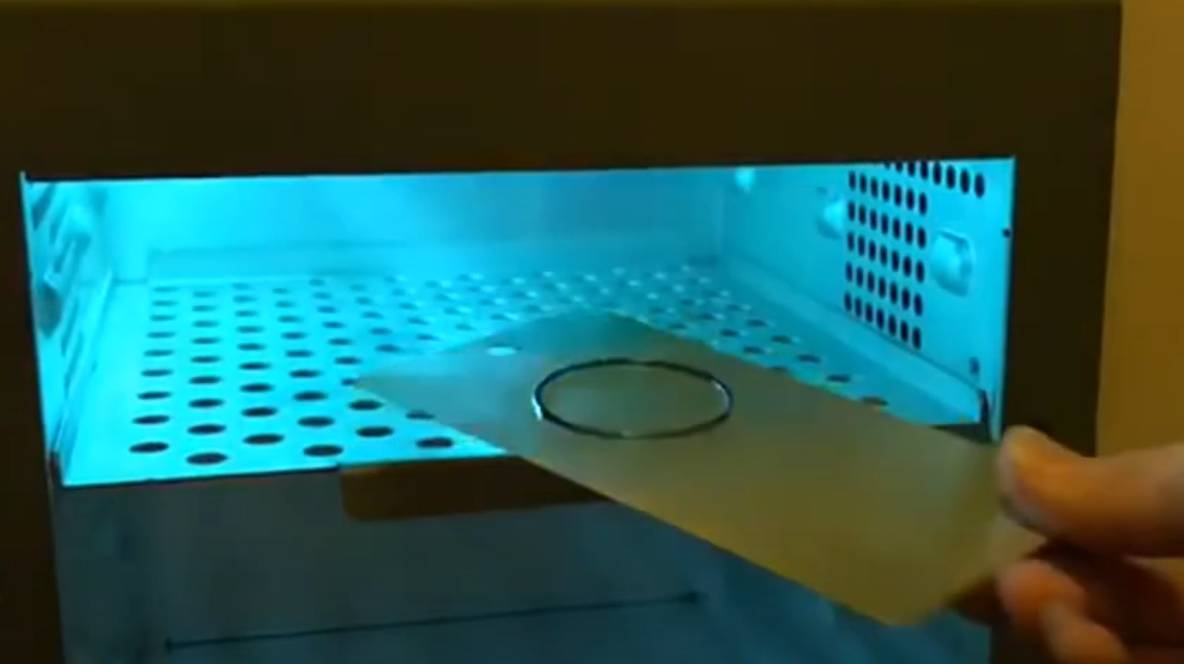
Harnessing the Light: Unveiling the Power of UV Light Curing Chambers In today's fast-paced world, efficiency and precision reign supreme. Across various industries, the need for rapid and reliable curing processes is ever-present. This is where UV light curing chambers step in, offering a revolutionary solution for applications that utilize light-curable materials. What is a UV Light Curing Chamber? A UV light curing chamber is a specialized enclosure equipped with ultraviolet (UV) lamps that emit light at specific wavelengths. This light triggers a chemical reaction within light-curable materials, causing them to solidify rapidly. The chamber environment is typically controlled to ensure consistent and optimal curing conditions. Why Choose a UV Light Curing Chamber? There are numerous advantages to incorporating UV light curing chambers into your workflow: Unmatched Speed: UV light offers instant curing, significantly reducing processing time compared to traditional methods like air drying or heat curing. This translates to increased productivity and faster turnaround times. Consistent Results: The controlled environment of the chamber ensures uniform light exposure across the entire surface of the material, leading to consistent and predictable curing results. Enhanced Quality: Rapid curing minimizes the risk of defects or inconsistencies that can occur with slower curing methods, leading to higher quality finished products. Versatility Across Applications: UV light curing chambers cater to a wide range of light-curable materials, making them ideal for diverse applications. Safe and Clean Operation: Modern UV light curing chambers often utilize enclosed designs with safety features to minimize user exposure to UV light and potential emissions. Applications for UV Light Curing Chambers The versatility of UV light curing chambers makes them valuable tools across various industries: 3D Printing: Rapidly cure 3D printed parts made from UV-curable resins, enabling faster prototyping and production cycles. Dental Applications: Cure dental fillings, crowns, and other dental prosthetics with precision and efficiency. Electronics Manufacturing: Securely bond components and encapsulate electronics using UV-curable adhesives and coatings. Industrial Coatings: Apply and cure UV-curable coatings on various surfaces for rapid finishing and protection. Nail Salons: Provide fast and efficient curing of gel polishes for a long-lasting manicure. Choosing the Right UV Light Curing Chamber Selecting the optimal UV light curing chamber requires considering several factors: Light Source and Wavelength: Choose a chamber with the appropriate UV light source and wavelength that matches the specific curing requirements of your chosen materials. Chamber Size: Consider the size and volume of objects you plan to cure to ensure they fit comfortably within the chamber. Curing Time: Select a chamber with adjustable curing time settings to cater to the varying needs of different materials. Safety Features: Look for features like safety interlocks and light filters to ensure safe operation. Additional Features: Some chambers offer features like turntables for even curing or inert gas purging capabilities for specific applications. Unlocking Efficiency and Precision with UV Light Curing Chambers UV light curing chambers offer a game-changing solution for applications that rely on light-curable materials. From rapid curing to consistent results and enhanced quality, these chambers empower you…

Comments Off on Harnessing the Light: Unveiling the Power of UV Light Curing Chambers

Crystal Clear Fixes: Mastering Glass Repair with UV Adhesives

Broken glass can be a real headache. Replacing a shattered window or a favorite ornament can be expensive and time-consuming. But fear not! There's a solution that offers a quick, effective, and surprisingly strong fix: UV adhesives. This blog delves into the world of UV adhesives for glass repair, empowering you to tackle those glass mishaps with confidence. What are UV Adhesives? UV adhesives are a special type of glue that cures rapidly when exposed to ultraviolet (UV) light. They come in various viscosities (thicknesses) and formulations, making them suitable for bonding a wide range of materials, including glass. Why Choose UV Adhesives for Glass Repair? UV adhesives offer numerous advantages for glass repairs: Unmatched Speed: Unlike traditional glues that require hours to cure, UV adhesives solidify in seconds upon exposure to UV light. This minimizes downtime and allows you to complete repairs quickly. Crystal Clear Bond: When cured properly, UV adhesives form a clear, virtually invisible bond that maintains the visual integrity of the glass object. Strong and Durable Bonds: These adhesives create surprisingly strong bonds that can withstand significant stress in many glass repair applications. Easy to Use: Most UV adhesives come in user-friendly applicators like syringes or pens, requiring minimal preparation for use. Precise Application: The targeted nature of UV curing allows for precise control over the bonding area, minimizing the risk of messy overflow. Before You Begin: Preparing for Glass Repair with UV Adhesives For a successful repair, proper preparation is key: Gather Your Supplies: You'll need UV adhesive, a UV light source (often a small handheld lamp), cleaning supplies (alcohol wipes, microfiber cloth), and safety equipment (gloves, safety glasses). Clean the Glass Thoroughly: Remove any dirt, debris, or oil from the bonding surfaces using cleaning wipes. Ensure the area is completely dry before applying the adhesive. Plan Your Bond: Carefully position the broken glass pieces together to ensure a proper fit. Consider using tape to hold the pieces temporarily in place. Repairing Glass with UV Adhesives: A Step-by-Step Guide Apply the Adhesive: Following the manufacturer's instructions, apply a small bead of UV adhesive to one of the clean, dry bonding surfaces. Reassemble the Glass: Carefully position the broken pieces together, aligning them precisely. UV Light Curing: Expose the bonded area to the UV light source according to the recommended curing time (typically a few seconds to a minute). Hold the light steady to ensure even curing. Wipe Away Excess: While the adhesive is still slightly uncured, use a cotton swab dipped in alcohol to remove any excess adhesive that might have squeezed out. Full Cure: Allow the adhesive to fully cure for the recommended time as specified by the manufacturer (usually a few minutes). Tips for Flawless Glass Repairs with UV Adhesives Work in a well-ventilated area. Wear gloves and safety glasses for protection. Practice on scrap glass pieces before tackling your actual repair. Use masking tape to hold small fragments in place during the bonding process. For larger repairs, consider using a UV curing…

Comments Off on Crystal Clear Fixes: Mastering Glass Repair with UV Adhesives

Needle Bonding Adhesives for Secure and Reliable Syringes

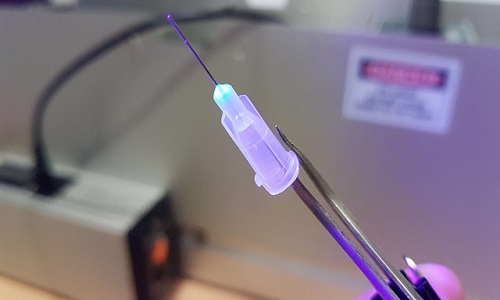
In the world of medical devices, precision and reliability are paramount. Syringes, seemingly simple tools, play a crucial role in medication delivery, requiring a secure bond between the needle and the syringe body. This is where needle bonding adhesives come in – the silent partners ensuring the integrity and safety of every injection. Why are Needle Bonding Adhesives Essential? Traditional methods like soldering or crimping can compromise the sterility and functionality of syringes. Needle bonding adhesives offer a superior solution: Strong and Reliable Bonds: These adhesives create a robust connection between the needle and the syringe body, ensuring they withstand pressure during injection without leaking or separating. Enhanced Patient Safety: Secure needle attachment minimizes the risk of accidental needle detachment, promoting patient safety and a positive experience. Improved Sterilization Compatibility: Unlike some traditional methods, needle bonding adhesives are compatible with various sterilization techniques, maintaining sterility throughout the product lifecycle. Streamlined Manufacturing: Many needle bonding adhesives offer fast curing times, facilitating efficient and high-volume syringe assembly. Types of Needle Bonding Adhesives Needle bonding adhesives come in various formulations to cater to specific needs: Light Cure Acrylics: Offer rapid curing upon exposure to UV light, ideal for high-speed automated assembly lines. Light Cure Cyanoacrylates: Provide very fast bonding and high strength, suitable for applications requiring immediate adhesion. One-Part Heat Cure Epoxies: Form strong, durable bonds and resist harsh sterilization methods, ideal for demanding applications. Choosing the Right Needle Bonding Adhesive Selecting the optimal adhesive depends on several factors: Desired Cure Speed: Consider production line speed and the need for immediate bonding. Material Compatibility: Ensure the adhesive adheres well to the specific materials of your syringe and needle. Sterilization Compatibility: Choose an adhesive compatible with your preferred sterilization method (e.g., autoclave, ethylene oxide). Viscosity: Opt for a viscosity that allows for easy dispensing and fills gaps effectively. Regulatory Compliance: Ensure the adhesive meets relevant medical device standards (e.g., USP Class VI, ISO 10993). Beyond the Basics: Additional Considerations for Needle Bonding Surface Preparation: Proper cleaning and activation of bonding surfaces ensure optimal adhesion. Dispensing Equipment: Consider using automated dispensing systems for accurate and consistent adhesive application. In-Line Inspection: Integrate quality control measures like fluorescent dyes to ensure proper bond formation. The Power of a Secure Bond: Why Needle Bonding Adhesives Matter Needle bonding adhesives play a vital role in ensuring the safety and efficacy of syringes. Their ability to create strong, reliable bonds while maintaining sterility makes them an essential component in modern medical device manufacturing. So, the next time you receive a medication injection, remember the silent heroes – the needle bonding adhesives working behind the scenes to deliver a safe and effective experience.

Comments Off on Needle Bonding Adhesives for Secure and Reliable Syringes

UV Dome Coatings – INCURE

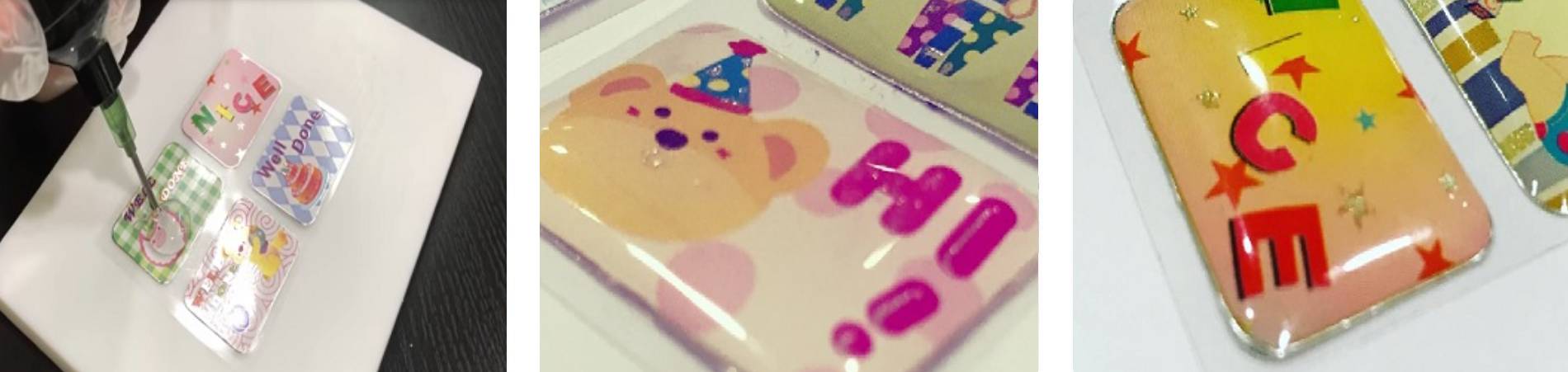
Create stunning, durable products with UV dome coating. This fast, efficient process enhances aesthetics and provides superior protection. Learn more about its applications and benefits. What is UV Dome Coating? UV dome coating is a cutting-edge technique that utilizes ultraviolet (UV) light to cure a specially formulated clear resin. This resin is applied over a desired surface, such as a label, image, or object, creating a smooth, high-gloss, and domed finish. Here's a breakdown of the process: Surface Preparation: The surface to be coated is meticulously cleaned to ensure optimal adhesion of the resin. Resin Application: The UV-curable resin is carefully poured or dispensed onto the prepared surface, ensuring complete coverage of the desired area. UV Curing: The coated surface is exposed to precisely controlled UV light, triggering a rapid curing process that transforms the liquid resin into a solid, protective layer. The Advantages of UV Dome Coating Compared to traditional dome coating methods, UV curing offers several distinct advantages: Unmatched Speed: UV light provides instant curing, significantly reducing production time compared to heat-cured or room temperature curing methods. Enhanced Efficiency: The rapid curing process allows for high-volume production runs, making UV dome coating ideal for industrial applications. Reduced Energy Consumption: Eliminating the need for heat lamps for curing translates to lower energy usage and a more environmentally friendly process. Precise Control: The controlled application of UV light ensures consistent curing across the entire surface, minimizing the risk of unevenness or imperfections. Superior Durability: UV-cured resins offer exceptional hardness and scratch resistance, providing long-lasting protection for the underlying surface. Applications for UV Dome Coating The speed, efficiency, and exceptional results of UV dome coating make it ideal for a wide range of products: Premium Labeling: Elevate your product labels and branding elements with a high-gloss, domed finish that grabs attention and conveys quality. Durable Keychains and Buttons: Create visually appealing and long-lasting keychains and buttons that resist scratches, fading, and everyday wear and tear. Protective Nameplates and Signage: Protect nameplates, signage, and identification tags from harsh environments while maintaining a professional appearance with a clear, domed finish. Enhanced Instrument Panels: Offer superior protection and improved readability for instrument panels and gauges in industrial settings or vehicles. Unique Decorative Elements: Explore the creative possibilities of UV dome coating to create one-of-a-kind art pieces and visually captivating decorative elements. Incure Cast-Max™ Series Core Products Product Description Substrates Color Viscosity (cP) Tensile Strength (psi) Hardness (Shore D) Elongation (%) 1404 Medium viscosity high hardness dome coating for plastic surfaces. Also suitable for optical/medical device bonding of metals, glass, and ceramics. Very low shrinkage and water absorption. Withstands stringent thermal cycling. Low Strength Multi-Substrate Clear Transparent 2,500 - 4,500 450 - 2,770 80 - 90 44 1045 Medium-high viscosity, superior high strength bonder for metals, glass, and ceramics in electronics, optical, and medical devices. Very low shrinkage and water absorption. Withstands stringent thermal cycling. High Performance Metal/Glass/Ceramics Clear Transparent 4,500 - 7,500 10,100 - 12,600 80 - 90 24 1049 Medium-high viscosity active alignment…

Comments Off on UV Dome Coatings – INCURE