Ultra High Temperature Epoxy Adhesives – INCURE

UHT Epoxy: Unparalleled bonding for extreme heat. Withstands 300°C+ for aerospace, automotive, and industrial applications. Learn about its benefits. In the realm of adhesives, where performance reigns supreme, ultra high temperature (UHT) epoxy rises above the rest. This specialized resin stands defiant against extreme heat, offering an unparalleled bonding solution for applications that push the thermal boundaries. This blog delves into the world of UHT epoxy, exploring its unique properties, key advantages, and diverse applications in various high-temperature environments. What is Ultra High Temperature Epoxy? UHT epoxy is a specialized type of thermosetting resin formulated to withstand significantly higher temperatures compared to conventional epoxies. Here's what sets it apart: Exceptional Thermal Stability: UHT epoxies can maintain their structural integrity and adhesive strength at temperatures exceeding 300°C (572°F) and sometimes even reaching 400°C (752°F). Superior Chemical Resistance: UHT epoxies often exhibit excellent resistance to a variety of chemicals, including solvents, fuels, and oils, making them ideal for harsh environments. Strong Mechanical Properties: These epoxies offer exceptional mechanical strength, ensuring reliable bonding under extreme conditions. Versatility: Available in various formulations with different viscosities, cure times, and pot lives to cater to specific application needs. Advantages of Using Ultra High Temperature Epoxy UHT epoxies offer a compelling solution for demanding environments: Unmatched Thermal Performance: They provide reliable bonding where conventional epoxies would fail due to heat exposure. Enhanced Durability: UHT epoxies resist degradation and maintain their properties over extended periods at high temperatures. Broader Design Flexibility: Their exceptional thermal capabilities enable the use of new materials in high-temperature applications. Improved Safety and Reliability: Strong and reliable bonds in extreme environments contribute to increased safety and product longevity. Reduced Maintenance Needs: Durable bonds minimize the need for frequent repairs or replacements in high-temperature equipment. Incure Epo-Weld™ Series Core Products   Product Description Color Viscosity (cP) Hardness (Shore D) Volume Resistivity (ohms-cm) Dielectric Strength (volts/mil) Chemical Resistance UHTE-5320 Two-part epoxy, 1:1 ratio system for tough bonding applications. Amber 6,000 - 10,000 D89 4.0 x 10¹⁴ 450 Good UHTE-5321 Single-part contact adhesive, excellent flexibility. Black 25,000 - 45,000 N.D. 1.0 x 10¹³ 300 Excellent UHTE-5322 Two-part epoxy, 100:12 ratio. Aluminum-filled, ultra-high-temp, low shrinkage, and high thermal conductivity. Grey 8,000 - 14,000 D87 1.0 x 10⁵ 50 Good Package Size: 473.18 ml Pint / 946.35 ml Quart / 1 Gallon Applications for Ultra High Temperature Epoxy The ability to withstand extreme heat makes UHT epoxy ideal for various applications: Aerospace Industry: Bonding high-temperature components in aircraft engines, heat shields, and rocket propulsion systems. Automotive Applications: Engine parts, exhaust manifolds, and other components exposed to high temperatures. Electronics Manufacturing: Encapsulating and potting electronic components for thermal management and protection. Oil and Gas Industry: Downhole applications, pipeline repair, and bonding components subjected to high pressure and temperature. Power Generation: Bonding components in turbines, generators, and other high-temperature power plant equipment. Choosing the Right Ultra High Temperature Epoxy Selecting the optimal UHT epoxy requires careful consideration of several factors: Maximum Service Temperature: Choose an epoxy with a temperature rating exceeding your expected operating conditions. Chemical Resistance Requirements: Ensure the epoxy can withstand the specific chemicals present in your application environment. Mechanical Strength Needs: Select an epoxy with sufficient strength properties to…

Comments Off on Ultra High Temperature Epoxy Adhesives – INCURE

Keeping it Moving: UV Light Curing Conveyor Systems for Streamlined Production

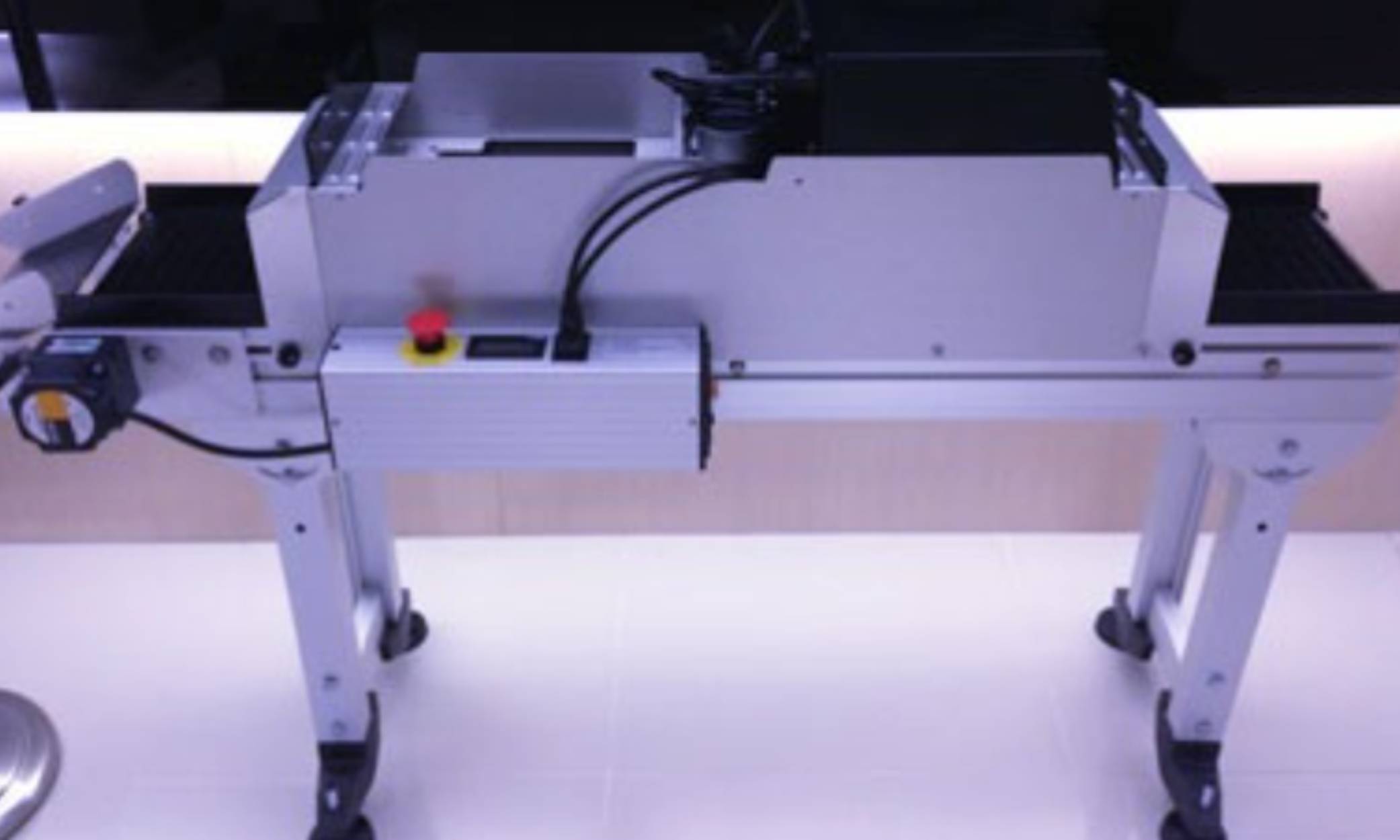
In today's fast-paced manufacturing environment, achieving efficient and consistent curing is crucial. Traditional curing methods can be slow, labor-intensive, and prone to inconsistencies. Enter UV light curing conveyor systems – a game-changing technology that automates and streamlines the curing process, propelling production efficiency to new heights. This blog delves into the functionalities, advantages, and diverse applications of UV light curing conveyor systems, empowering you to keep your production line moving and thriving. What are UV Light Curing Conveyor Systems? UV light curing conveyor systems combine the power of ultraviolet (UV) light technology with a conveyor belt, creating a continuous and automated curing process. Here's what makes them stand out: Automated Curing: Products are placed on the conveyor belt and transported under UV lamps, eliminating the need for manual handling and ensuring consistent exposure. Rapid Curing: UV light triggers rapid photopolymerization within the materials, significantly reducing curing times compared to traditional methods. Scalability: Systems come in various sizes and configurations, catering to diverse production volumes and product sizes. Process Control: Conveyor speed and lamp intensity can be precisely controlled for optimal curing results across different materials. Benefits of UV Light Curing Conveyor Systems Increased Production Efficiency: Automation eliminates manual handling bottlenecks and accelerates curing times, leading to higher throughput. Enhanced Product Quality: Consistent UV exposure ensures uniform curing and minimizes the risk of defects. Improved Labor Utilization: Reduced manual labor requirements allow workers to focus on higher-value tasks. Reduced Floor Space Requirements: Compact and efficient design optimizes production floor space utilization. Versatility: Capable of curing a wide range of UV-curable adhesives, coatings, inks, and resins across various industries. Applications for UV Light Curing Conveyor Systems The versatility of UV light curing conveyor systems makes them ideal for numerous applications: Electronics Manufacturing: Curing adhesives, encapsulants, and coatings on printed circuit boards (PCBs) and electronic components. Medical Device Assembly: Curing adhesives and bonding materials for rapid and sterile assembly of medical devices. Printing Industry: Curing UV inks, varnishes, and coatings on printed materials for fast and high-quality results. Automotive Applications: Curing adhesives, sealants, and coatings on various automotive parts during assembly and finishing processes. Furniture Manufacturing: Curing UV-curable finishes for a durable and aesthetically pleasing final product. 3D Printing Applications: Post-processing techniques like curing UV-curable resins for specific functionalities and enhanced product properties. Choosing the Right UV Light Curing Conveyor System Selecting the optimal system requires considering several factors: Conveyor Belt Size and Speed: Choose a system with a belt size and speed that accommodates your product dimensions and desired throughput. Lamp Type and Intensity: Consider the specific UV wavelength requirements of your curing materials and select a system with appropriate lamp type and adjustable intensity. Curing Area and Conveyor Length: Ensure the system has a sufficient curing area and conveyor length to handle your production volume effectively. Safety Features: Look for systems with safety features like UV shielding and emergency shut-off switches to prioritize worker safety. Keeping Your Production Line Moving Forward UV light curing conveyor systems offer a revolutionary approach to curing, streamlining processes, enhancing quality, and boosting production efficiency. By automating the curing process and ensuring consistent results, they empower manufacturers to keep their production lines moving forward and achieve success in…
Comments Off on Keeping it Moving: UV Light Curing Conveyor Systems for Streamlined Production

UV Lights, Lamps and Bulbs – INCURE

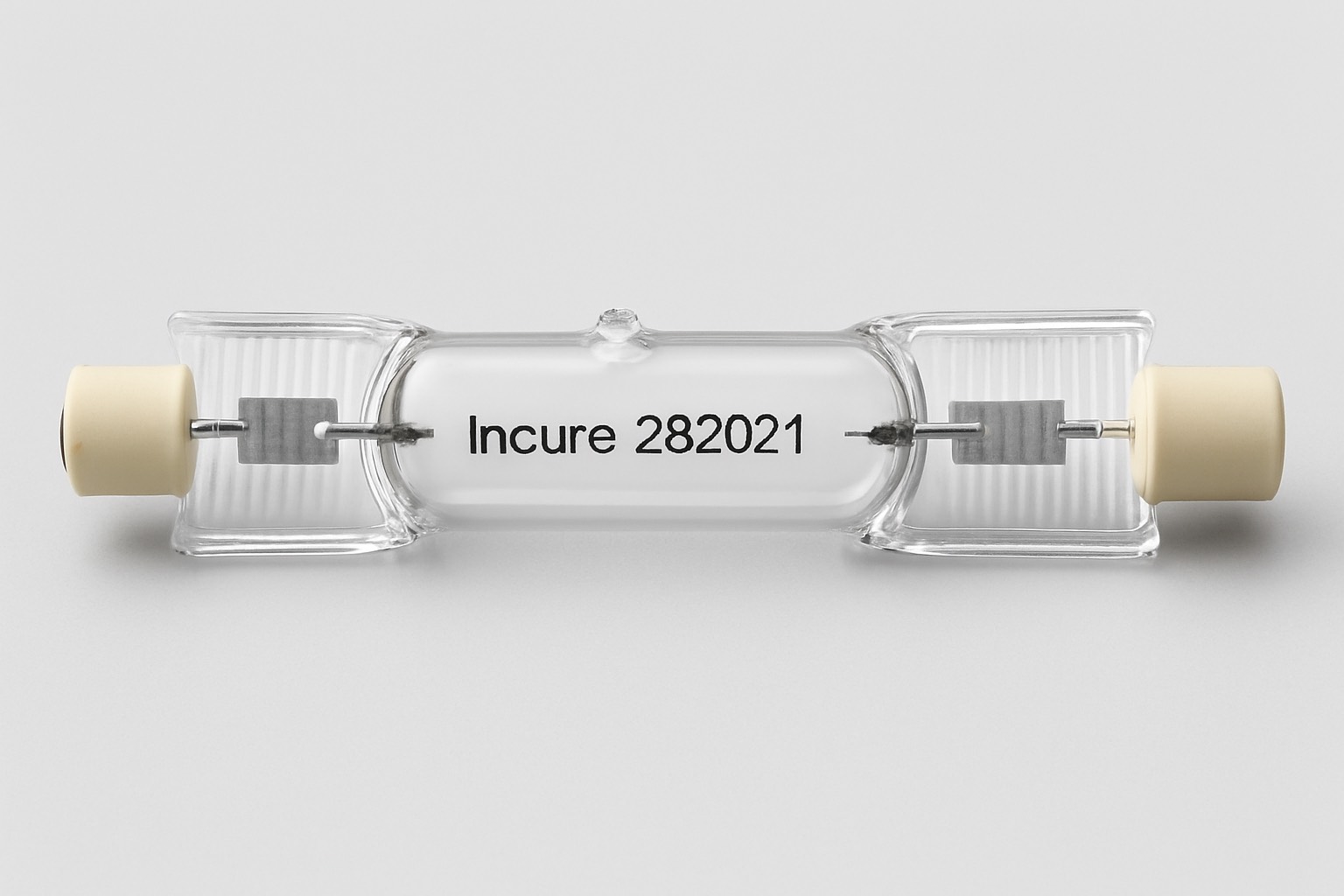
Boost productivity and improve product quality with Incure UV curing light bulbs. Reduce curing times, minimize downtime, and achieve consistent results. Blaze, your trusted Incure distributor, offers expert guidance. Discover the advantages! What are Incure UV Curing Light Bulbs? Incure UV curing light bulbs are specialized lamps designed to emit ultraviolet (UV) light at specific wavelengths. This UV light triggers a photochemical reaction in UV-curable materials, causing them to cure or solidify rapidly. Incure bulbs are engineered for consistent output, long life, and compatibility with various curing systems. Benefits of Incure UV Curing Light Bulbs: Rapid Curing: Incure bulbs facilitate fast curing times, significantly increasing production throughput and reducing cycle times. Consistent Output: Engineered for stable UV output, Incure bulbs ensure consistent curing results and minimize variations in product quality. Long Lifespan: Incure bulbs are designed for extended use, reducing the frequency of replacements and minimizing downtime. Wide Range of Wavelengths: Incure offers bulbs in various wavelengths to match the specific requirements of different UV-curable materials. Compatibility: Incure bulbs are compatible with a range of UV curing systems, offering flexibility and ease of integration. Improved Product Quality: Consistent and controlled curing with Incure bulbs leads to enhanced product quality, improved adhesion, and increased durability. Types of Incure UV Curing Light Bulbs: Incure offers a variety of UV curing light bulbs, including: Mercury Arc Lamps: A versatile and cost-effective option for many UV curing applications. Metal Halide Lamps: Offering higher intensity and longer lifespans compared to mercury arc lamps. LED UV Curing Bulbs: Energy-efficient and environmentally friendly option with instant on/off capabilities.  Choosing the Right Incure UV Curing Light Bulb with Blaze: Selecting the right UV curing light bulb is essential for optimal performance. Blaze simplifies this process with their expertise: Material Compatibility: Blaze will help you determine the ideal wavelength and intensity for your specific UV-curable material. Curing Requirements: Blaze will assess your curing needs, including cure speed and depth, to recommend the appropriate bulb. System Compatibility: Blaze will ensure that the chosen bulb is compatible with your existing UV curing equipment. How Blaze Can Help with Your Incure UV Curing Project: Blaze offers comprehensive support for your Incure UV curing project: Expert Consultation: Blaze's experienced team will understand your requirements and recommend the optimal Incure UV curing light bulb. Product Selection: Blaze offers a wide selection of Incure UV curing equipment and consumables, ensuring access to high-quality products. Seamless Integration: Blaze provides support for smooth integration of Incure bulbs into your production line. Technical Support: Blaze offers ongoing technical support to address any questions or issues you may encounter. Fast and Reliable Delivery: Blaze ensures timely delivery of Incure products to minimize downtime and keep your production running smoothly. Incure UV Curing Bulbs for UV Lamps & Systems 282008 100W Short Arc Mercury Lamp 282021 400W Metal Halide Bulb 282047 400W Mercury Vapor Lamp 282068  200W UVA Short Arc Mercury Lamp Contact Us to learn more. Visit www.blazeasia.com to explore the full range of Incure adhesives.

Comments Off on UV Lights, Lamps and Bulbs – INCURE

UV Liquid Light Guide – INCURE

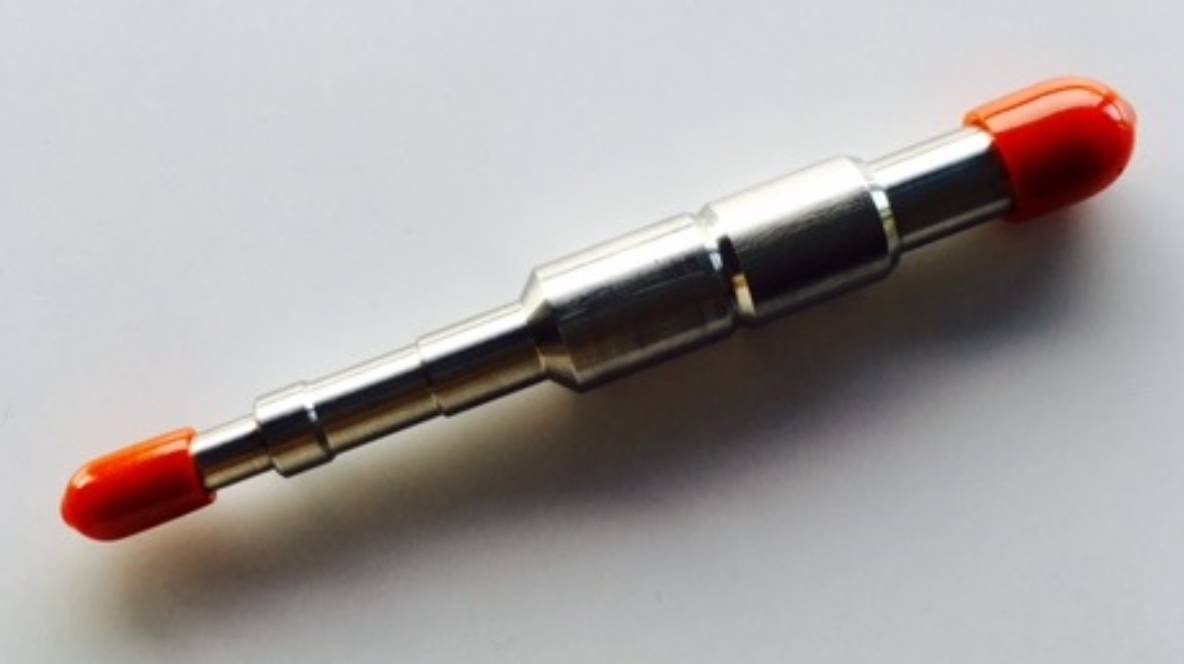
Lightguides for UV/Visible curing: Single & multi-pole options for remote, precise curing. Improve efficiency with targeted light delivery. In today's fast-paced manufacturing world, precise and efficient curing is essential. UV/Visible spot light curing systems offer a powerful solution, but delivering the light to the target area requires a vital component – the lightguide. This blog dives into the world of single pole and multi-pole lightguides, exploring their functionalities, advantages, and applications for UV/Visible spot light curing systems. What are Lightguides (Liquid Light Guides)? Lightguides, also known as liquid light guides or light wands, are flexible fiber optic cables that transmit UV or visible light from the curing lamp to the desired curing area. They offer several advantages: Remote Curing: Lightguides enable curing in areas inaccessible to the lamp itself, providing greater flexibility and maneuverability. Reduced Heat Transfer: The liquid core efficiently transmits light while minimizing heat transfer to the curing surface, protecting delicate materials. Conformal Curing: The flexible design allows the lightguide to conform to uneven surfaces, ensuring consistent curing across the targeted area. Single Pole vs. Multi-Pole Lightguides Lightguides come in two main configurations: Single Pole: Features a single channel for transmitting light to a single curing point. Ideal for precise, focused curing on small areas. Multi-Pole: Contains multiple channels within the same housing, allowing simultaneous curing of multiple points. Offers increased efficiency for applications requiring curing in several locations. Choosing Between Single Pole and Multi-Pole Lightguides The optimal choice depends on your specific application: Single Pole: Best suited for: Curing small, intricate areas. Applications requiring high-precision curing. Situations where only one curing point is needed. Multi-Pole: Ideal for: Curing multiple points simultaneously, improving efficiency. Applications requiring uniform curing across several locations with similar spacing. Situations where minimizing curing time is crucial. Benefits of Using Lightguides with UV/Visible Spot Light Curing Systems Enhanced Versatility: Lightguides provide remote curing capabilities and allow for curing on uneven surfaces. Improved Efficiency: Multi-pole lightguides can expedite curing processes by addressing multiple points simultaneously. Precise Curing: Single pole lightguides offer focused beams for high-precision curing on small areas. Reduced Heat Transfer: Liquid core minimizes heat transfer, protecting temperature-sensitive materials. Wide Range of Applications: Compatible with various UV and visible light curing systems across diverse industries. Applications for Single Pole and Multi-Pole Lightguides The versatility of lightguides makes them ideal for numerous UV/Visible spot light curing applications: Electronics Manufacturing: Curing adhesives, encapsulants, and coatings on PCBs and electronic components. Medical Device Assembly: Targeted curing of adhesives and bonding materials in medical device manufacturing. Composite Bonding: Curing adhesives used in composite material bonding applications. 3D Printing Applications: Post-processing techniques like curing UV-curable resins for specific functionalities. Optical Component Manufacturing: Precise curing of adhesives used in the assembly of optical components. Automotive Applications: Curing adhesives and sealants in various automotive assembly processes. Choosing the Right Lightguide Selecting the optimal lightguide requires considering several factors: Light Source Compatibility: Ensure the lightguide core material is compatible with the wavelength of your UV/Visible curing system. Single Pole vs. Multi-Pole: Choose based on the number of curing points and desired level of precision. Tip Options: Consider various tip configurations (straight, angled, etc.)…

Comments Off on UV Liquid Light Guide – INCURE

Demystifying Light Output: The Power of Lightguide Simulators for UV Curing Efficiency

In UV curing applications, maintaining optimal light intensity is crucial for ensuring proper cure depth and product quality. However, directly measuring the output from a lightguide – a flexible fiber optic cable used to deliver UV light – can be challenging. Here's where lightguide simulators come in – powerful tools that shed light on the true light output of your UV curing system, independent of the lightguide itself. This blog explores the functionalities, advantages, and applications of lightguide simulators, empowering you to optimize and maintain efficient UV curing processes. What is a Lightguide Simulator? A lightguide simulator is a precision optical tool specifically designed to mimic the reflective properties of a lightguide. It essentially acts as a substitute for the lightguide, allowing you to directly measure the UV light output from your curing lamp. Here's why lightguide simulators are valuable: Accurate Lamp Output Measurement: By bypassing the lightguide, the simulator enables direct measurement of the UV lamp's intensity, providing a clear picture of its true output capability. Early Detection of Lamp Degradation: As UV lamps degrade over time, their light output diminishes. Lightguide simulators help detect this decrease in intensity before it negatively impacts cure quality. Improved Process Control: Precise knowledge of the lamp's output allows for adjustments to curing parameters, ensuring consistent and reliable results. Reduced Production Downtime: Early detection of lamp issues through lightguide simulators helps prevent unexpected failures and costly production downtime. Cost-Effective Maintenance Tool: Regular use of lightguide simulators promotes proactive maintenance and extends the life of your UV curing lamps. Benefits of Using Lightguide Simulators for UV Curing Enhanced Product Quality: Ensuring optimal light output from the lamp translates to consistent and reliable cure depth, contributing to superior product quality. Improved Process Efficiency: Reduced risk of under-curing or over-curing due to precise knowledge of lamp output. Optimized Maintenance Schedules: Lightguide simulators enable proactive lamp maintenance, minimizing disruptions and optimizing lamp life. Reduced Operating Costs: Early detection of lamp issues prevents wasted materials and potential product rework, ultimately reducing operating costs. Increased Confidence in Your UV Curing Process: Lightguide simulators provide valuable data for validation and quality control procedures. Applications for Lightguide Simulators Lightguide simulators are essential tools for various industries that rely on UV curing processes: Electronics Manufacturing: Ensuring proper curing of adhesives, encapsulants, and coatings on PCBs and electronic components. Medical Device Assembly: Maintaining consistent cure depth for adhesives and bonding materials in medical device manufacturing. Printing Applications: Optimizing UV curing of inks and coatings in printing processes. Optical Component Manufacturing: Precise curing of adhesives used in the assembly of optical components. Automotive Applications: Maintaining consistent cure quality for adhesives and sealants in various automotive assembly processes. Choosing the Right Lightguide Simulator Selecting the optimal lightguide simulator requires considering several factors: Compatibility with Lamp Type: Ensure the simulator is compatible with the specific UV lamp used in your curing system. Wavelength Range: Choose a simulator that measures the relevant UV wavelength range for your curing application. Measurement Capabilities: Consider the desired level of detail, such as basic intensity readings or advanced features like spatial distribution analysis. Ease of Use: Select a simulator with a user-friendly design and clear instructions for accurate and efficient measurements.…

Comments Off on Demystifying Light Output: The Power of Lightguide Simulators for UV Curing Efficiency

Sharpen Your Focus: Lightguide Terminators for Enhanced UV/Visible Spot Light Curing

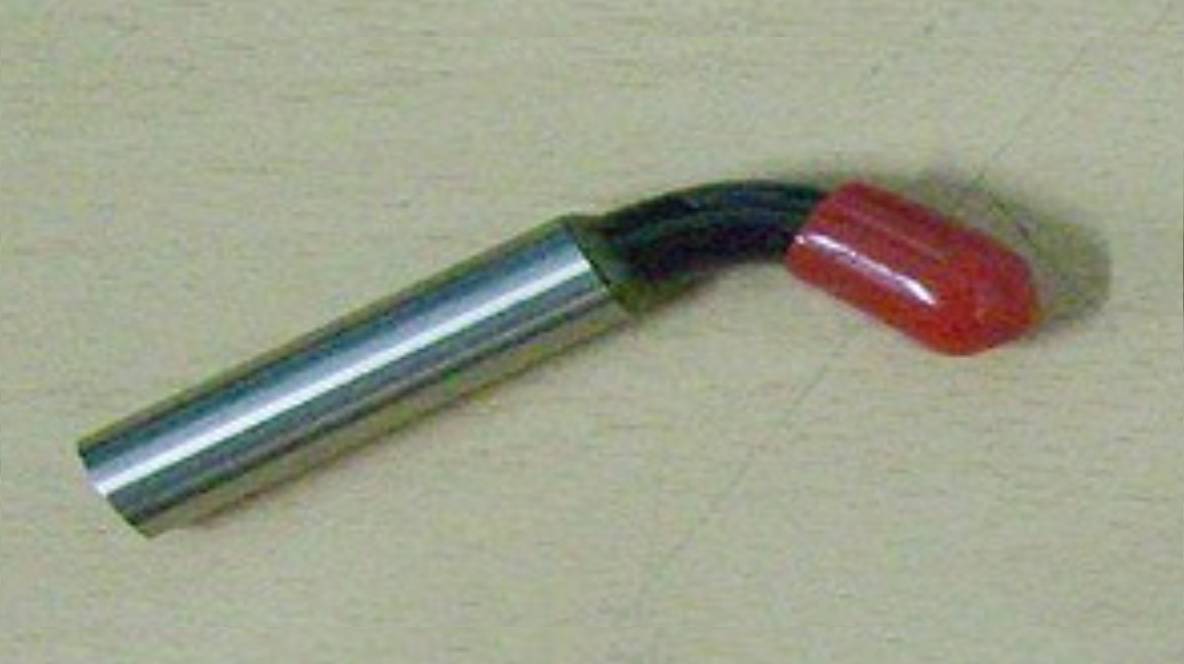
In today's fast-paced manufacturing environment, achieving precise and efficient curing is paramount. UV/Visible spot light curing systems offer a powerful solution, but maximizing their effectiveness requires proper control of the light beam. Enter lightguide terminators – specialized attachments that enhance worker safety and optimize the curing process for UV/Visible spot light curing systems. This blog sheds light on the functionalities, advantages, and diverse applications of lightguide terminators, empowering you to achieve focused and efficient curing solutions. What are Lightguide Terminators? Lightguide terminators are attachments specifically designed for use with liquid lightguide (also known as light wand) delivery systems in UV/Visible spot light curing applications. They connect to the distal end of the lightguide, offering several key benefits: Enhanced Worker Safety: Lightguide terminators typically block ultraviolet (UV) light below a certain wavelength (e.g., 340 nm), minimizing exposure for workers and protecting them from potential UV-related hazards. Improved Beam Collimation: Certain terminators can collimate the light beam, focusing it into a tighter spot size for more precise curing on targeted areas. Reduced Glare: Terminators often help to reduce stray light and glare emanating from the lightguide tip, improving worker comfort and visibility during the curing process. Application Versatility: Available in various configurations with different angles (e.g., 60°, 90°) and functionalities to cater to specific application needs. Benefits of Using Lightguide Terminators with UV/Visible Spot Light Curing Systems Enhanced Worker Safety: Reduced UV exposure promotes a safer working environment. Improved Curing Precision: Focused light beams enable more accurate and efficient curing of targeted areas. Reduced Risk of Over-Curing: Precise light control minimizes the potential for unintended curing of adjacent areas. Increased Productivity: Faster and more targeted curing can contribute to improved production efficiency. Enhanced Process Control: Certain terminators offer features like distance sensors to optimize curing parameters. Applications for Lightguide Terminators with UV/Visible Spot Light Curing Systems The versatility of lightguide terminators makes them ideal for various applications across diverse industries: Electronics Manufacturing: Precise curing of adhesives, encapsulants, and coatings on PCBs and electronic components. Medical Device Assembly: Targeted curing of adhesives and bonding materials in medical device manufacturing. Composite Bonding: Curing adhesives used in composite material bonding applications. 3D Printing Applications: Post-processing techniques like curing UV-curable resins for specific functionalities. Optical Component Manufacturing: Precise curing of adhesives used in the assembly of optical components. Automotive Applications: Curing adhesives and sealants in various automotive assembly processes. Choosing the Right Lightguide Terminator Selecting the optimal lightguide terminator requires considering several factors: Light Source Compatibility: Ensure the terminator is compatible with the wavelength of your UV/Visible spot light curing system. Desired Beam Profile: Choose a terminator with the appropriate angle (e.g., straight, angled) and collimation capabilities to achieve the desired curing spot size. Worker Safety Features: Prioritize terminators that offer adequate UV blocking capabilities for worker protection. Application Requirements: Consider the specific curing needs of your application, such as the need for distance sensors or other functionalities. Shine a Light on Focused Curing Solutions Lightguide terminators offer a valuable addition to UV/Visible spot light curing…

Comments Off on Sharpen Your Focus: Lightguide Terminators for Enhanced UV/Visible Spot Light Curing

Shine a Light on Protection: Light Curable Peelable Masks for Surface Protection and Parts Handling Assembly

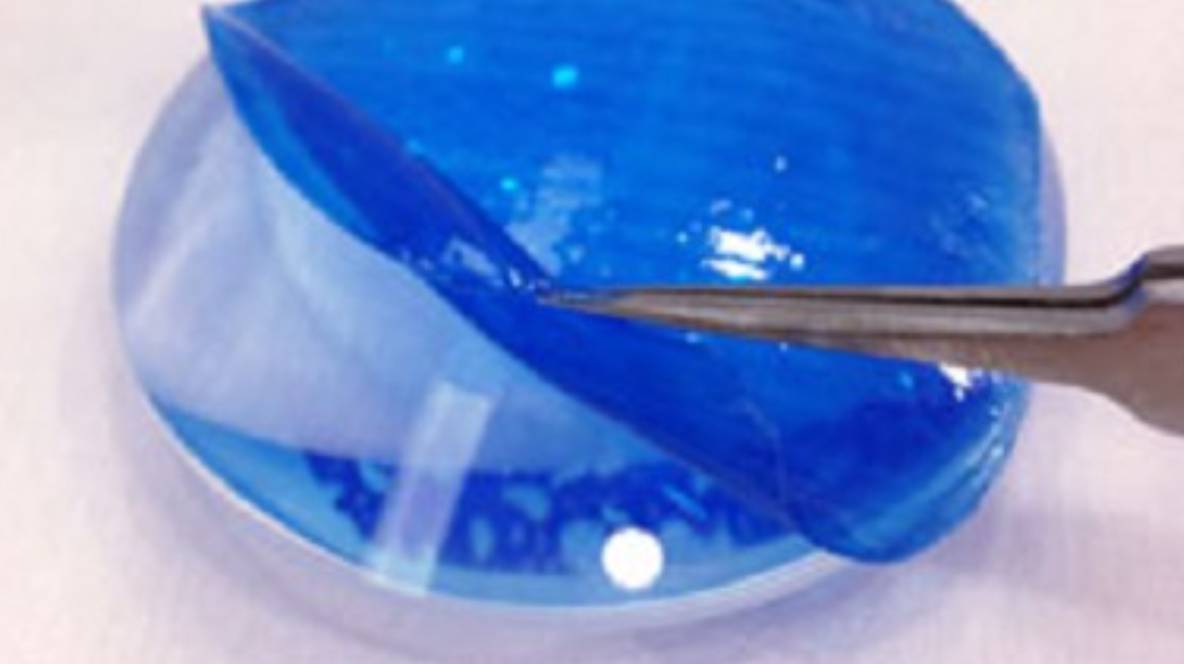
In the world of manufacturing, protecting delicate surfaces and ensuring clean part handling are crucial for maintaining quality and efficiency. Traditional masking methods often involve tapes, films, or liquid coatings, which can be cumbersome, leave residue, or damage surfaces. Enter light curable peelable masks – a revolutionary solution offering a cleaner, faster, and more precise approach to surface protection and parts handling assembly. This blog explores the functionalities, advantages, and diverse applications of light curable peelable masks, empowering you to shed light on a brighter path to successful manufacturing. What are Light Curable Peelable Masks? Light curable peelable masks are specialized liquid coatings formulated for temporary surface protection. Here's what sets them apart: Light Activated Curing: Exposure to ultraviolet (UV) light triggers rapid polymerization, creating a protective film on the desired surface within seconds or minutes. Clean and Residue-Free Removal: Cured masks peel away cleanly upon removal, leaving no residue or damage to the underlying surface. Precise Application: The liquid form allows for targeted application, protecting only the necessary areas while leaving other parts accessible. Conformal Coating: The material fills even the most intricate gaps and contours, ensuring complete and consistent surface protection. Versatility: Available in various formulations with different properties like thickness, flexibility, and chemical resistance to cater to specific application needs. Benefits of Light Curable Peelable Masks Light curable peelable masks offer numerous advantages over traditional masking methods: Improved Efficiency: Rapid curing times significantly reduce masking and de-masking processes compared to tapes and films. Enhanced Surface Protection: Conformal coating creates a complete barrier, protecting surfaces from scratches, abrasions, and other contaminants. Reduced Risk of Damage: Clean peelability eliminates the risk of surface damage often associated with removing tapes or films. Streamlined Parts Handling: Precise application allows for easy handling of delicate parts without compromising protection. Increased Productivity: Faster masking and de-masking processes contribute to overall production line efficiency. Applications for Light Curable Peelable Masks The versatility and protective properties of light curable peelable masks make them ideal for various surface protection and parts handling applications in diverse industries: Electronics Manufacturing: Protecting sensitive components like printed circuit boards (PCBs) during soldering, assembly, and cleaning processes. Aerospace Manufacturing: Safeguarding critical aircraft parts from contamination and damage during assembly and painting. Medical Device Manufacturing: Ensuring sterility and protecting delicate surfaces of medical devices during manufacturing and packaging. Automotive Manufacturing: Protecting painted surfaces, polished components, and windshields during assembly and transportation. Optical Component Manufacturing: Shielding lenses, prisms, and other optical components from scratches and dust during handling and assembly. 3D Printing Applications: Protecting printed parts from support structures and facilitating post-processing procedures. Choosing the Right Light Curable Peelable Mask Selecting the optimal light curable peelable mask requires considering several factors: Surface Compatibility: Ensure the chosen mask material adheres well to the specific surface you are protecting. Desired Protection Level: Choose a mask thickness and formulation that offers the necessary protection against scratches, chemicals, or other environmental factors. Curing Speed: Select a curing speed that aligns with your production workflow for optimal efficiency.…

Comments Off on Shine a Light on Protection: Light Curable Peelable Masks for Surface Protection and Parts Handling Assembly

UV Curing Glass Adhesives – INCURE

Faster, stronger glass assembly? Discover UV glass bonding adhesives: rapid curing, clear bonds, and superior durability. Learn how. Glass, with its elegance and durability, is a popular material across various industries. However, traditional assembly methods involving mechanical fasteners or messy epoxies can be time-consuming, affect aesthetics, and introduce stress points. Enter UV glass bonding adhesives – a revolutionary solution offering a faster, cleaner, and stronger approach to glass assembly for industrial applications. This blog dives into the world of UV glass bonding adhesives, exploring their functionalities, advantages, and diverse applications for achieving flawless glass assemblies. What are UV Glass Bonding Adhesives? UV glass bonding adhesives are specialized liquid formulations that cure upon exposure to ultraviolet (UV) light. Here's what makes them ideal for glass assembly: Rapid Curing: Exposure to UV light triggers fast polymerization, creating a strong bond between glass components within seconds or minutes. This significantly reduces assembly times compared to traditional methods. Crystal Clear Bond: Cured UV adhesives are virtually transparent, maintaining the visual clarity of the glass assembly. Conformal Coating: The liquid form fills even the most intricate gaps and contours between glass pieces, ensuring a seamless and aesthetically pleasing bond line. Strong and Durable Bonds: Cured UV adhesives form high-strength bonds that can withstand various environmental stresses, including moisture, vibration, and thermal cycling. Versatility: Available in various formulations with different viscosities and properties to cater to specific application needs, such as flexibility or high-temperature resistance. Benefits of UV Glass Bonding Adhesives for Industrial Assembly UV glass bonding adhesives offer significant advantages over traditional glass assembly methods: Increased Throughput: Fast curing times significantly expedite assembly processes compared to heat-cured epoxies, boosting production efficiency. Enhanced Aesthetics: Eliminates the need for visible fasteners, creating a clean and visually seamless glass assembly. Improved Strength and Durability: Strong bonds with minimal stress points enhance the overall strength and reliability of the glass assembly. Simplified Application: One-part formulations eliminate the need for complex mixing procedures, promoting ease of use. Reduced Environmental Impact: UV curing eliminates the need for heat, reducing energy consumption compared to traditional methods. Certain formulations offer low VOC emissions. Incure Quad-cure™ Series Core Products (Glass, Crystals) Product Description Substrates Color Viscosity (cP) Tensile (psi) Hardness (Shore D)) Elongation (%) 1931 UV/Visible/Heat Cure, Low Viscosity, High Strength Metal/Glass/Ceramics Bonder, Low Shrinkage, Weather/Temp/Moisture Resistant High Performance Metal/Glass/Ceramics Slight Tint 130 7,400 - 10,000 D75 - D85 4 1933 Low Viscosity, UV/Visible/LED/Heat Cure, High Strength Metal/Glass Bonder, Tack-Free, High Strength Bonding, Temp/Moisture Resistant High Strength Metal/Glass/Ceramics Slightly Translucent 700 8,300 - 14,000 D80 - D90 33 Incure Quad-cure™ Series Core Products (Glass + Metal) Product Description Substrates Color Viscosity (cP) Tensile (psi) Hardness Elongation (%) 9254 UV/Visible/Heat Cure, High Strength, Medium Viscosity, Metal/Glass Bonder, Low Shrinkage, Vibration Isolation, Moisture/Water Resistant High Performance Metal/Glass/Ceramics Slight Tint 1,850 16,000 - 9,500 D66 - D76 60 9263 UV/Visible/Heat Cure, High Strength, Low Viscosity, Metal/Glass Bonder, Low Shrinkage, Vibration Isolation, Moisture/Water Resistant High Performance Metal/Glass/Ceramics Slight Tint 750 6,500 - 16,000 D67 - D77 510 9245…

Comments Off on UV Curing Glass Adhesives – INCURE

Building with Strength: High-Performance Metal Adhesives for Metal Bonding

In the realm of metal fabrication and assembly, achieving a strong, permanent bond is paramount. Traditional methods like welding and riveting have served their purpose, but they come with limitations. Enter high-performance metal adhesives – a revolutionary solution offering exceptional strength, versatility, and a streamlined bonding process. This blog delves into the world of high-performance metal adhesives, exploring their advantages, functionalities, and diverse applications for robust metal bonding. Why Choose High-Performance Metal Adhesives? High-performance metal adhesives offer numerous advantages over traditional joining methods: Strong and Reliable Bonds: These adhesives can create bonds that rival the strength of welds, ensuring long-lasting and secure metal connections. Versatility: Metal adhesives can bond a wide range of metals, including dissimilar metals that are difficult or impossible to weld. Uniform Stress Distribution: Adhesives distribute stress more evenly across the bonded area compared to welds, potentially reducing the risk of stress concentrations and fractures. Sealing and Gap Filling: Certain adhesives can fill gaps and imperfections between metal surfaces, creating a watertight and airtight seal. Lightweight and Streamlined Assembly: Adhesives eliminate the need for heat and bulky equipment, simplifying the assembly process and reducing weight in structures. Reduced Distortion: Metal bonding with adhesives minimizes heat distortion compared to welding, preserving the dimensional integrity of components. Types of High-Performance Metal Adhesives Several types of high-performance metal adhesives cater to different bonding needs: Epoxy Adhesives: Two-part epoxies offer exceptional strength, chemical resistance, and versatility, making them suitable for a wide range of metal bonding applications. Anaerobic Adhesives: These one-part adhesives cure in the absence of air, ideal for filling gaps and bonding tight-fitting metal parts. Acrylic Adhesives: Known for their fast curing speeds, flexibility, and good strength, acrylic adhesives are well-suited for bonding dissimilar metals or applications requiring some degree of joint movement. Structural Acrylic Adhesives: A high-strength variation of acrylic adhesives, offering exceptional bond strength and durability for demanding applications. Cyanoacrylate Adhesives (Super Glues): Fast-curing and well-suited for small parts, super glues require careful application due to their rapid setting time. Applications for High-Performance Metal Adhesives The versatility and strength of high-performance metal adhesives make them ideal for various applications in diverse industries: Automotive Assembly: Bonding body panels, spoilers, and interior components for a lightweight and streamlined design. Aerospace Manufacturing: Creating strong and reliable bonds in aircraft structures where weight reduction is crucial. Construction: Adhering metal panels, cladding systems, and other building components. Appliance Manufacturing: Bonding metal parts in appliances like refrigerators, dishwashers, and washing machines. Electronics Manufacturing: Securing heat sinks, EMI shielding components, and other metal parts in electronic devices. Metal Fabrication: Joining dissimilar metals, filling gaps, and creating leak-proof seals in various metal structures. Choosing the Right High-Performance Metal Adhesive Selecting the optimal adhesive for your application requires considering several factors: Substrate Compatibility: Ensure the adhesive is formulated for the specific metals you are bonding. Strength Requirements: Choose an adhesive with the necessary bond strength to withstand the expected loads and stresses. Environmental Conditions: Consider factors like temperature, moisture, and chemical exposure to select an adhesive…

Comments Off on Building with Strength: High-Performance Metal Adhesives for Metal Bonding

Bridging the Gap: Effective Bonding of Thermoplastic Elastomers (TPEs) for Medical Devices

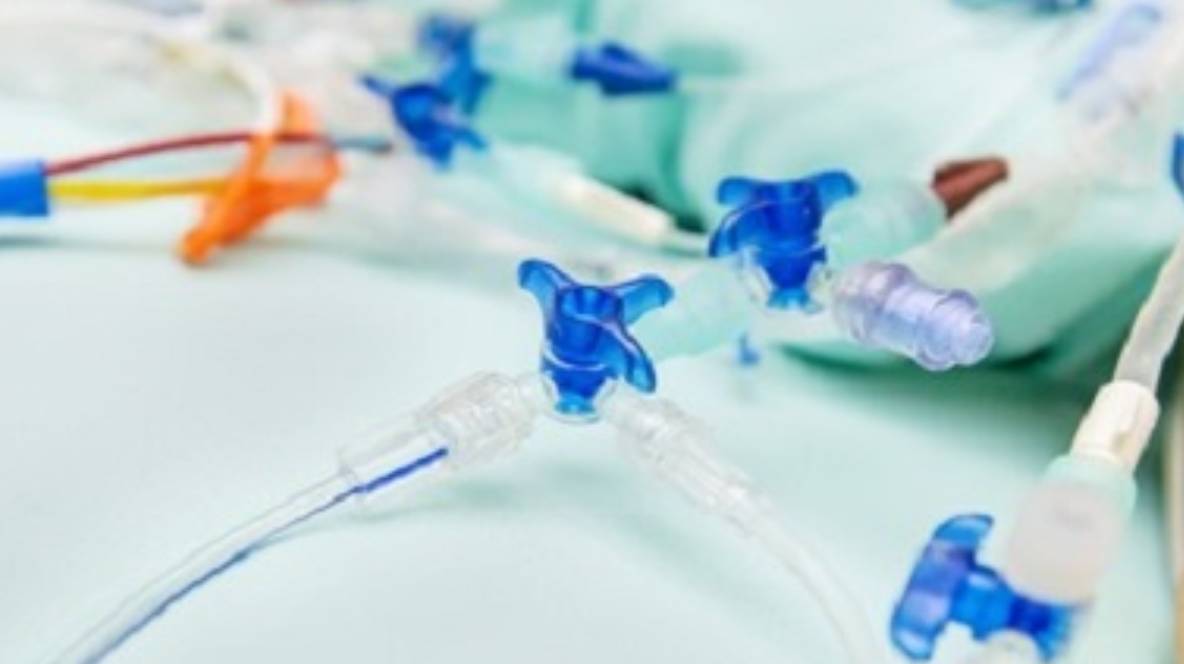
The world of medical devices demands both functionality and patient safety. Thermoplastic elastomers (TPEs) offer distinct advantages – flexibility, biocompatibility, and recyclability – making them a compelling choice for various medical device components. However, bonding TPEs to connectors can be a challenge. This blog dives into the world of bonding TPEs for medical devices, exploring the challenges, solutions, and best practices to achieve secure and reliable connections. Why Use TPEs in Medical Devices? TPEs offer numerous benefits for medical device applications: Enhanced Patient Comfort: TPEs provide a soft, pliable feel, improving patient comfort during device use. Biocompatibility: Many TPEs are biocompatible, minimizing the risk of adverse tissue reactions. Durability and Flexibility: TPEs offer good durability and flexibility, making them ideal for applications requiring both strength and adaptability. Recyclability: Certain TPEs are recyclable, contributing to a more sustainable manufacturing process. Challenges of Bonding TPEs Despite their advantages, bonding TPEs to connectors can be challenging due to: Low Surface Energy: TPEs often have a low surface energy, making it difficult for adhesives to adhere effectively. Chemical Resistance: Certain TPE formulations possess good chemical resistance, which can hinder adhesive bonding. Solutions for Effective TPE Bonding Fortunately, solutions exist to overcome these challenges and achieve secure bonding of TPEs to connectors in medical devices: Surface Pretreatment: Techniques like plasma treatment or chemical etching can increase the surface energy of TPEs, improving adhesion. Primer Application: Primers create a compatible layer between the TPE and the adhesive, enhancing bond strength. Adhesive Selection: Specific adhesives formulated for low surface energy materials like TPEs offer superior bond strength and performance. These may include: Cyanoacrylate Adhesives (Super Glues): Fast-curing and well-suited for small parts, but require careful application due to their rapid setting time. Epoxy Adhesives: Two-part epoxies provide excellent strength and chemical resistance, making them ideal for demanding applications. Polyurethane Adhesives: Offer good flexibility and durability, suitable for applications requiring some degree of joint movement. Best Practices for Bonding TPEs in Medical Devices Material Compatibility: Ensure compatibility between the chosen TPE, adhesive, and connector material. Surface Preparation: Thorough cleaning and appropriate surface pretreatment are crucial for optimal adhesion. Adhesive Selection: Select an adhesive specifically designed for bonding TPEs, considering factors like curing speed, strength requirements, and regulatory compliance for medical devices. Controlled Application: Follow the adhesive manufacturer's instructions for proper application and curing procedures. Testing and Validation: Conduct thorough testing to validate the bond strength and performance of the chosen bonding method for your specific application. Embrace Secure Connections with Effective TPE Bonding By understanding the challenges and implementing the solutions discussed above, manufacturers can achieve reliable and durable bonding of TPEs to connectors in medical devices. This ensures optimal functionality, patient comfort, and device performance in critical medical applications. So, explore the possibilities of TPEs in your medical device designs and leverage effective bonding techniques to bridge the gap between materials and create innovative solutions that improve patient care. Incure Cyro-Weld Series Core Products - TPE Adhesives Cyro-Weld™ 5480 Incure Cyro-Weld™ 5480: Ultra-Fast UV/Visible Light Curing, Medical-Grade,…

Comments Off on Bridging the Gap: Effective Bonding of Thermoplastic Elastomers (TPEs) for Medical Devices