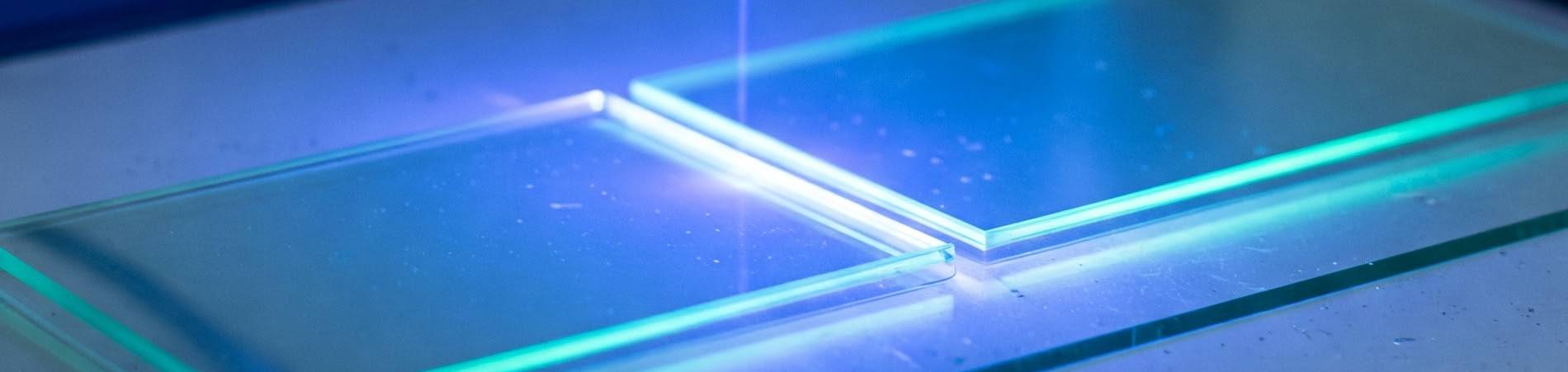
The Ultimate Guide to UV Glue for Glass: Strength, Clarity, and Industrial Applications
In the world of modern manufacturing and design, the demand for seamless, high-strength bonding solutions has never been higher. Glass, a material prized for its transparency, elegance, and durability, presents unique challenges when it comes to assembly. Traditional mechanical fasteners can be unsightly and may cause stress fractures, while standard adhesives often leave visible residues or fail to provide the necessary structural integrity. Enter UV glue for glass—a revolutionary adhesive technology that has transformed industries ranging from high-end furniture design to aerospace engineering.
UV-curable adhesives, commonly referred to as UV glues, are specialized resins that remain liquid until exposed to specific wavelengths of ultraviolet light. This “curing on demand” property offers unparalleled control, allowing technicians to perfectly align components before initiating a permanent bond in seconds. In this comprehensive guide, we will explore the science, benefits, applications, and best practices for using UV glue for glass in professional and industrial settings.
What is UV Glue for Glass?
UV glue for glass is an acrylic-based or epoxy-based adhesive that contains photoinitiators. These photoinitiators are chemical compounds that react to UV radiation (typically in the 365nm to 405nm range). When the adhesive is exposed to a UV light source—such as a specialized LED lamp or mercury vapor bulb—the photoinitiators trigger a rapid polymerization process. This turns the liquid resin into a solid, high-strength plastic cross-link that bonds the glass surfaces together.
One of the defining characteristics of UV glue for glass is its optical clarity. Because these adhesives are engineered to match the refractive index of glass, the bond line is virtually invisible to the naked eye. This makes it the gold standard for applications where aesthetics are just as important as structural performance.
The Science of the Bond: Why UV Glue is Superior for Glass
To understand why UV glue for glass is so effective, we must look at the molecular level. Glass is a non-porous material, which means it doesn’t “soak up” adhesives like wood or fabric. Adhesion to glass relies on a combination of chemical bonding and mechanical interlocking at a microscopic scale.
UV adhesives are designed with specific functional groups that form strong hydrogen bonds with the silanol groups on the glass surface. Furthermore, because the curing process is nearly instantaneous once the light is applied, there is minimal shrinkage. Low shrinkage is critical for glass bonding, as it prevents internal stresses that could lead to delamination or cracking over time.
The Role of Viscosity
UV glue for glass comes in various viscosities, ranging from “water-thin” to “gel-like.”
- Low Viscosity: Ideal for tight-fitting joints where the glue needs to “wick” into the gap via capillary action.
- High Viscosity: Better for vertical applications or where gap-filling properties are required to compensate for uneven surfaces.
Key Advantages of Using UV Glue for Glass
Why should industrial manufacturers and artisans choose UV-curable adhesives over traditional methods? The benefits are numerous:
1. Exceptional Optical Clarity
For glass-to-glass or glass-to-metal bonding, maintaining transparency is often a requirement. UV glue does not yellow over time (if high-quality resins are used) and creates a crystal-clear joint that enhances the beauty of the glass rather than distracting from it.
2. Rapid Curing and Increased Productivity
Time is money in any manufacturing environment. While traditional epoxies may take hours or even days to reach full strength, UV glue for glass cures in seconds. This allows for immediate handling and further processing, significantly shortening production cycles.
3. Precision Alignment
Because the glue does not cure until it is exposed to UV light, users have unlimited time to position the glass pieces. This is a massive advantage over “instant glues” (cyanoacrylates) that bond upon contact, often leading to misaligned parts and wasted materials.
4. High Bond Strength
Modern UV adhesives are engineered to be stronger than the glass itself. In many pull-tests, the glass substrate will shatter before the adhesive bond fails. This makes it suitable for load-bearing applications like glass shelving and furniture.
5. Environmental Resistance
Many UV glues for glass are formulated to resist moisture, temperature fluctuations, and chemical exposure. This makes them ideal for use in kitchens, bathrooms, and even outdoor architectural elements.
Common Industrial and Commercial Applications
The versatility of UV glue for glass has led to its adoption across a wide spectrum of industries.
Furniture and Interior Design
From glass coffee tables to display cases in luxury boutiques, UV glue allows designers to create “floating” glass structures. Bonding glass to metal (such as stainless steel legs or hinges) is a common use case where the strength and invisibility of the bond are paramount.
Electronics and Optoelectronics
In the electronics industry, UV glue is used for bonding touchscreens, camera lenses, and fiber optic components. Its ability to cure without high heat protects sensitive electronic parts from thermal damage.
Medical Device Manufacturing
UV adhesives are frequently used in the assembly of medical equipment, such as syringes, catheters, and endoscopes. Specialized medical-grade UV glues are formulated to be biocompatible and can withstand sterilization processes like autoclaving or gamma irradiation.
Automotive Industry
In automotive manufacturing, UV glue for glass is used for bonding rearview mirrors to windshields, sealing sensors, and assembling decorative interior glass elements. Its resistance to vibration and temperature extremes is vital in this sector.
Art and Jewelry
Glass artists and jewelers use UV glue to create intricate sculptures and bond gemstones to glass settings. The “cure on demand” feature allows for the painstaking precision required in fine art.
Choosing the Right UV Glue for Glass
Not all UV glues are created equal. To ensure a successful bond, you must consider several factors:
- Substrate Compatibility: Are you bonding glass to glass, glass to metal, or glass to plastic? Some glues are “universal,” while others are optimized for specific material combinations.
- Light Penetration: UV light must be able to reach the adhesive. If you are bonding opaque materials, you may need a “dual-cure” adhesive that uses moisture or heat as a secondary curing mechanism in shadow zones.
- Environmental Exposure: Will the finished product be exposed to high humidity, UV sunlight, or extreme cold? Ensure the adhesive is rated for these conditions to prevent yellowing or degradation.
- Refractive Index: For optical applications, matching the refractive index of the adhesive to the glass ensures that the bond line remains invisible.
If you are unsure which formulation is best for your specific project, it is always best to consult with experts. [Contact Our Team](https://shop.blazeasia.com/pages/contact) for professional guidance on adhesive selection.
Step-by-Step Guide: How to Apply UV Glue for Glass
Achieving a professional-grade bond requires more than just the right glue; it requires the right technique. Follow these steps for optimal results:
Step 1: Surface Preparation
The most common cause of adhesive failure is contamination. Surfaces must be perfectly clean. Use a lint-free cloth and a high-purity solvent like isopropyl alcohol or a dedicated glass cleaner. Ensure the glass is completely dry and free of fingerprints, oils, or dust.
Step 2: Dry Fit
Before applying any glue, assemble the parts to ensure they fit together perfectly. Once the UV light hits the glue, you will not be able to make adjustments.
Step 3: Application
Apply a small amount of UV glue for glass to one of the surfaces. For low-viscosity glues, you can often assemble the parts first and then apply the glue to the edge of the joint, allowing it to wick in. Avoid using too much glue, as excess “squeeze-out” can be messy to clean up.
Step 4: Positioning and Clamping
Press the parts together firmly to eliminate any air bubbles. Use jigs or clamps if necessary to hold the pieces in the exact desired position. Since the glue is still liquid, you can wipe away any excess from the edges using a solvent-dampened cloth.
Step 5: Initial Curing (Tacking)
Expose the bond to the UV light source for a few seconds (usually 3-10 seconds). This “tacks” the parts in place so they can no longer move. At this stage, you can do a final check of the alignment.
Step 6: Final Curing
Expose the joint to the UV light for the full duration recommended by the manufacturer (usually 30 to 120 seconds, depending on the intensity of the light and the thickness of the glue layer). Ensure the light reaches all parts of the adhesive.
Step 7: Finishing
Once cured, the bond has reached its functional strength. If there is any cured residue on the glass surface, it can usually be carefully removed with a razor blade or scraper.
Common Challenges and Troubleshooting
Even with high-quality UV glue for glass, you may encounter issues. Here is how to solve them:
Air Bubbles in the Bond
Bubbles are often caused by uneven application or by “dropping” the second piece of glass onto the glue. To avoid this, apply the glue in a continuous bead or a central drop and join the parts slowly from one side to the other, allowing the air to escape. If bubbles appear, you must separate and clean the parts before the glue is cured.
The Glue Isn’t Curing
If the glue remains tacky or liquid, check your light source. UV lamps lose intensity over time and may need replacement. Additionally, ensure that the glass you are using isn’t “UV-filtered” glass (like some automotive or architectural glass), which blocks the very light needed to cure the adhesive. In such cases, a visible-light curable adhesive may be required.
Yellowing Over Time
Yellowing is usually a sign of an inferior adhesive or over-exposure to intense UV radiation post-cure. Always use high-quality, industrial-grade UV glue for glass that includes UV stabilizers to maintain long-term clarity.
Bond Failure in Humid Conditions
If the bond fails in a bathroom or outdoor setting, the adhesive likely lacked moisture resistance. Some UV glues are specifically formulated to be “hydrophobic,” preventing water molecules from undermining the bond at the glass interface.
Safety Considerations
Working with UV glue for glass involves chemicals and high-intensity light. Safety should always be a priority:
- Eye Protection: Never look directly at a UV light source. Wear UV-rated safety goggles to protect your eyes from permanent damage.
- Skin Protection: Avoid direct skin contact with liquid UV resins, as some individuals may develop sensitized skin or allergic reactions. Wear nitrile gloves.
- Ventilation: Use UV adhesives in a well-ventilated area to avoid inhaling vapors, especially during the curing process.
The Future of UV Bonding Technology
As technology advances, we are seeing the emergence of even more sophisticated UV glue for glass formulations. This includes “LED-curable” resins that react specifically to the narrower wavelengths of LED lamps, which are more energy-efficient and have a longer lifespan than traditional mercury bulbs. Furthermore, advancements in nanotechnology are leading to adhesives with even higher impact resistance and thermal stability.
For businesses looking to modernize their assembly lines, switching to UV-curable technology is no longer just an option—it is a competitive necessity. The combination of speed, strength, and aesthetic perfection is simply unmatched by other bonding methods.
Conclusion
UV glue for glass represents the perfect marriage of chemistry and light. Whether you are building high-end furniture, assembling delicate medical instruments, or creating a piece of glass art, understanding how to select and apply these adhesives is key to a successful outcome. By prioritizing surface preparation, choosing the correct viscosity, and using a high-quality UV light source, you can achieve bonds that are as strong as they are beautiful.
Investing in the right tools and materials is the first step toward mastering glass bonding. With the right approach, the possibilities for innovation in glass design and manufacturing are virtually limitless.
Visit [www.blazeasia.com](https://shop.blazeasia.com) for more information.