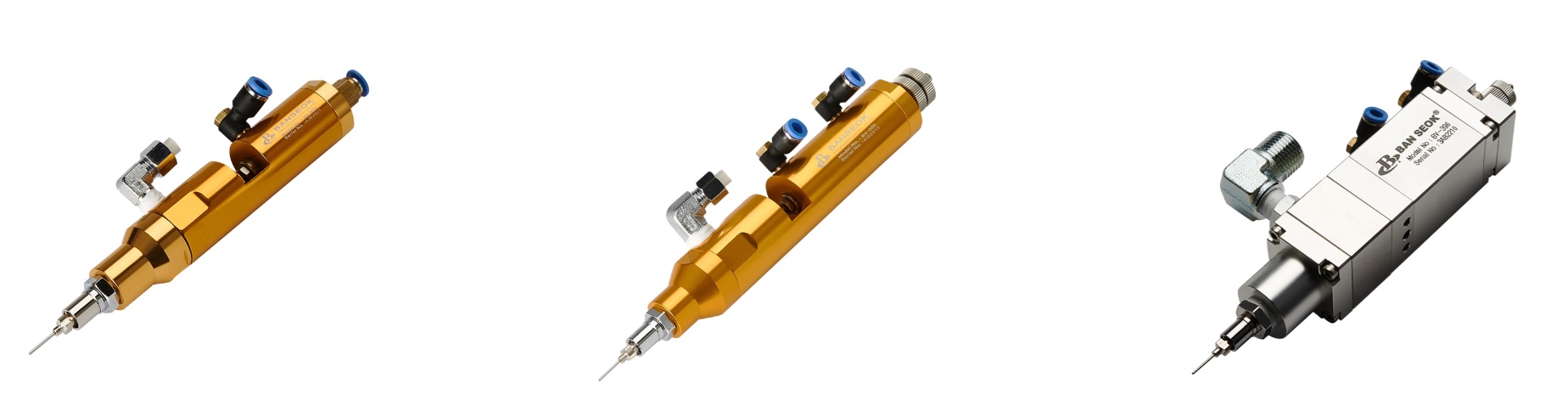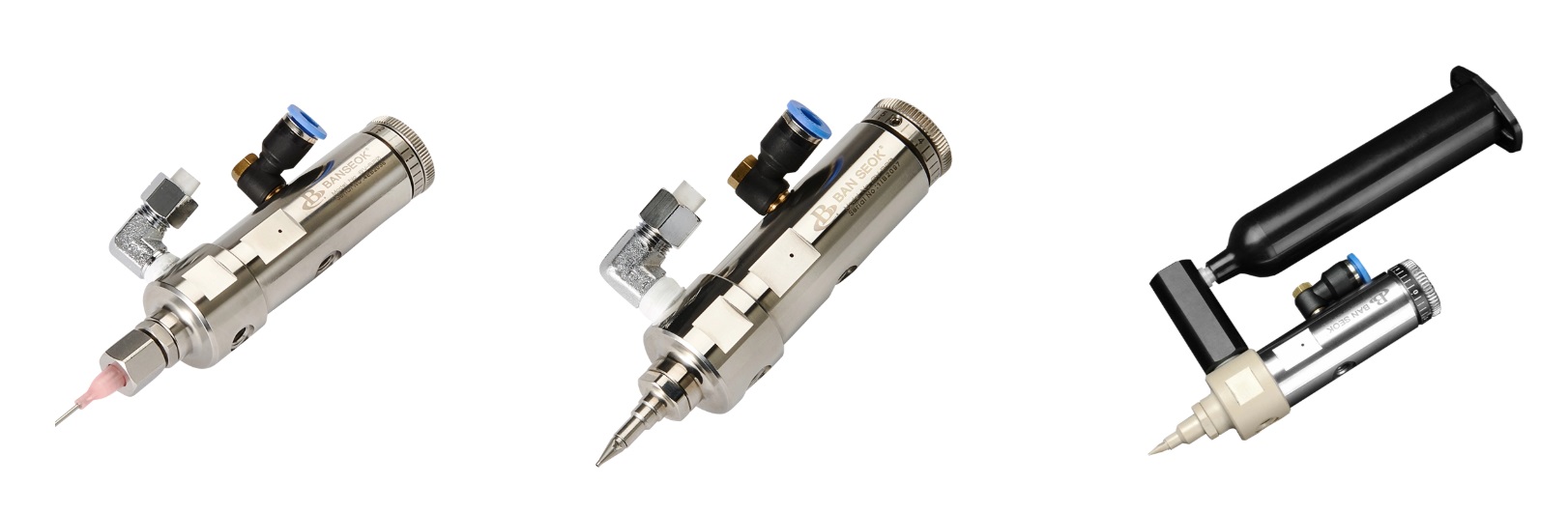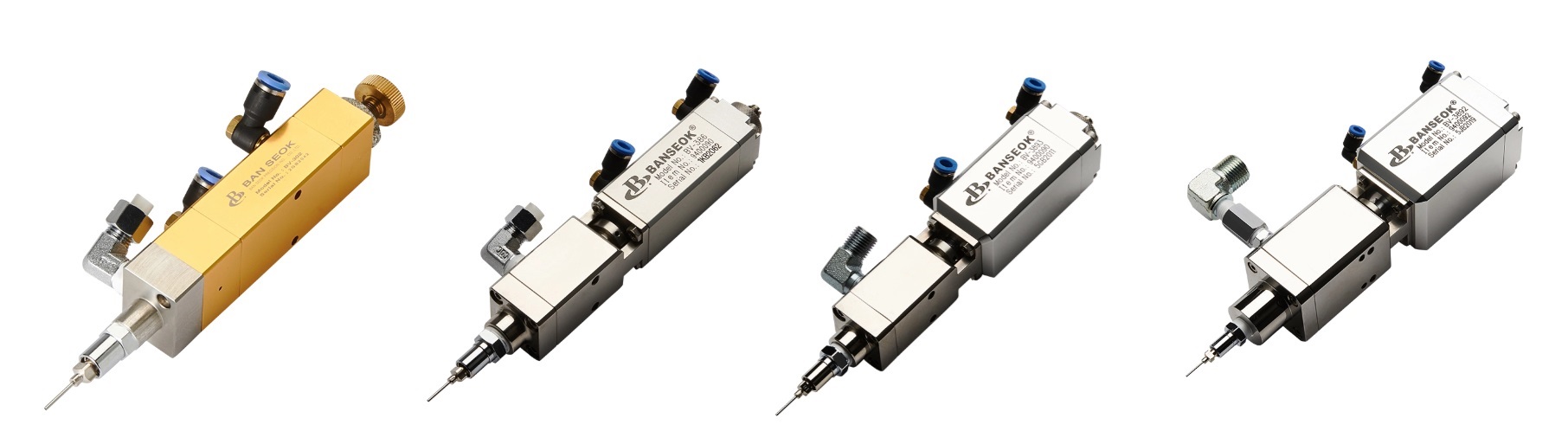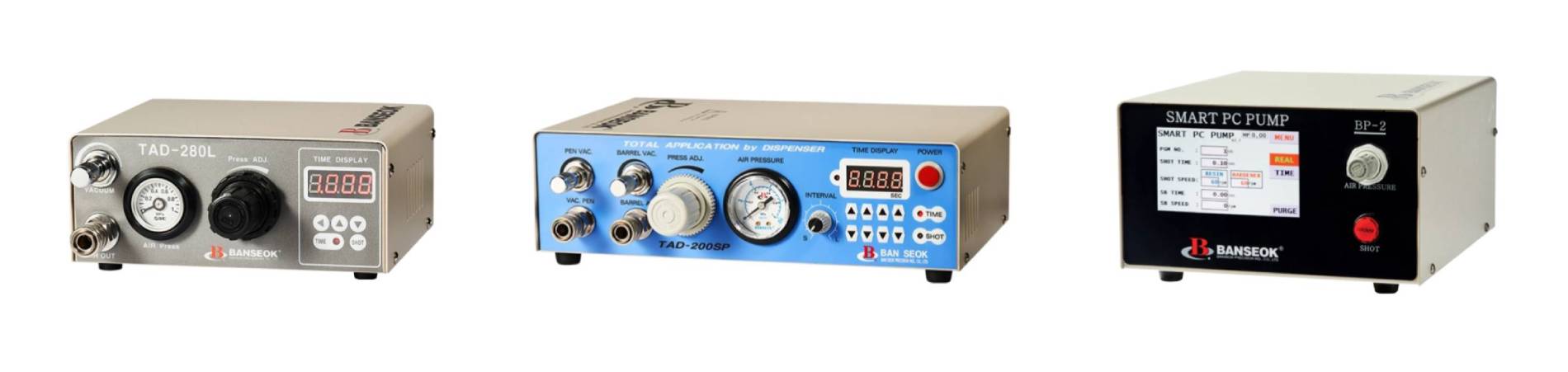
Diaphragm Valves for Precise Fluid & Flow Control

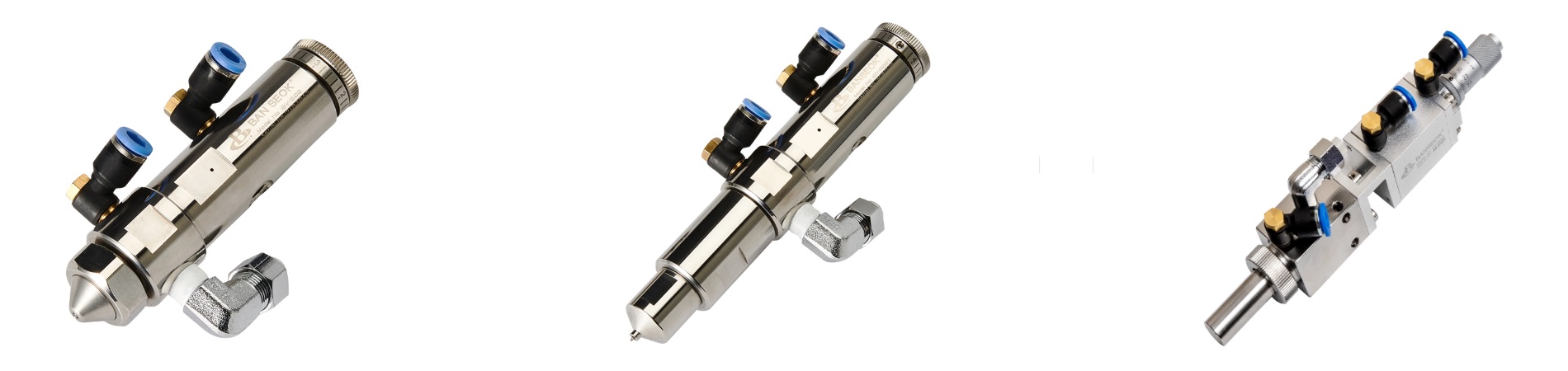
Diaphragm dispensing valves are critical components in many industries, enabling the precise and controlled delivery of fluids. These valves utilize a flexible diaphragm to regulate fluid flow, offering numerous advantages in terms of accuracy, reliability, and versatility. How Diaphragm Dispensing Valves Work Diaphragm valves operate by utilizing a flexible diaphragm that separates the fluid from the valve's internal components. When actuated, the diaphragm moves, either opening or closing the fluid passageway. This mechanism allows for precise control over fluid flow, enabling accurate dispensing of various materials. Key Benefits of Diaphragm Dispensing Valves: Versatility: Suitable for handling a wide range of fluids, from low-viscosity liquids to high-viscosity materials. Corrosion Resistance: Ideal for handling corrosive or abrasive fluids due to the diaphragm's isolation of the internal components. Low Maintenance: Simple design and construction minimize maintenance requirements. Reliable Performance: Consistent and reliable operation ensures accurate and repeatable dispensing. Easy Integration: Can be easily integrated into automated dispensing systems for enhanced efficiency. Applications of Diaphragm Dispensing Valves: Diaphragm dispensing valves find widespread applications in various industries, including: Chemical Processing: Handling corrosive chemicals, acids, and bases. Pharmaceutical Manufacturing: Dispensing medications, filling vials, and other pharmaceutical processes. Food Processing: Dispensing food ingredients, sauces, and other food products. Industrial Manufacturing: Adhesive dispensing, sealant application, and other assembly processes. Choosing the Right Diaphragm Dispensing Valve Selecting the appropriate diaphragm dispensing valve depends on several factors, including: Fluid Properties: Viscosity, corrosiveness, and other characteristics of the fluid. Flow Rate Requirements: Desired volume of fluid per unit time. Pressure Requirements: Operating pressure of the system. Control Method: Manual or automated operation. Environmental Considerations: Temperature, humidity, and other environmental factors. By carefully considering these factors, you can select the optimal diaphragm dispensing valve for your specific application, ensuring precise, efficient, and reliable fluid delivery.

Comments Off on Diaphragm Valves for Precise Fluid & Flow Control

Metering Dispensing Valves: Achieving Precise Fluid Control

Metering dispensing valves are specialized valves designed to deliver precise and consistent volumes of fluids. These valves are crucial in industries where accuracy and repeatability are paramount, such as pharmaceuticals, food processing, and chemical manufacturing. What are Metering Dispensing Valves? Unlike traditional valves that simply control the flow of fluids, metering dispensing valves are designed to accurately measure and dispense specific volumes of liquid. They achieve this through various mechanisms, such as: Piston Displacement: A piston moves within a cylinder, displacing a precise volume of fluid. Gear Pumps: Rotating gears pump a measured volume of fluid. Diaphragm Pumps: A flexible diaphragm displaces fluid with each stroke. How Metering Dispensing Valves Work The working principle of a metering dispensing valve depends on its specific design. However, most valves operate based on the following principles: Fluid Intake: The valve draws a specific volume of fluid into a chamber. Fluid Containment: The chamber isolates the measured volume of fluid. Fluid Dispense: The valve mechanism then releases the measured volume of fluid. Benefits of Using Metering Dispensing Valves Precise Fluid Delivery: Ensures accurate and consistent dispensing of fluids, minimizing waste and improving product quality. Repeatability: Delivers consistent volumes with each dispensing cycle, enhancing process reliability. Versatility: Suitable for a wide range of fluids, from low-viscosity liquids to high-viscosity pastes. Improved Efficiency: Streamlines production processes by reducing manual labor and minimizing errors. Reduced Waste: Minimizes material waste, leading to cost savings and environmental benefits. Applications of Metering Dispensing Valves Metering dispensing valves find widespread applications in various industries: Pharmaceuticals: Filling vials, ampoules, and syringes. Food Processing: Filling bottles, dispensing sauces, and adding flavorings. Chemical Manufacturing: Precise dosing of chemicals and additives. Cosmetic Manufacturing: Filling tubes, bottles, and other containers. Industrial Manufacturing: Assembly processes, adhesive dispensing, and coating applications. Choosing the Right Metering Dispensing Valve Selecting the appropriate metering dispensing valve requires careful consideration of several factors: Fluid Properties: Viscosity, density, and other characteristics of the fluid. Dispensing Volume: Required volume of fluid per dispense cycle. Accuracy Requirements: Level of precision required for fluid delivery. Throughput Requirements: Production volume and speed. Integration with Automation: Compatibility with existing production lines and automation equipment. By carefully considering these factors, you can select the optimal metering dispensing valve for your specific application, ensuring precise, efficient, and cost-effective fluid delivery. Explore the key factors to consider when selecting the right Metering Dispensing Valves for your specific application needs. Visit www.blazeasia.com today to explore our selection of Metering Dispensing Valves and discover how Blaze Technology can revolutionize your material dispensing operations.

Comments Off on Metering Dispensing Valves: Achieving Precise Fluid Control

Spray Valves: The Ultimate Guide to Selection & Applications

Spray valves are specialized valves designed to accurately and efficiently deliver fluids in a controlled spray pattern. They are widely used in various industries where precise material application is critical, such as electronics manufacturing, automotive assembly, and medical device production. How Spray Valves Work Spray valves utilize a combination of fluid dynamics and valve technology to create a specific spray pattern. They typically consist of: A fluid chamber: Holds the material to be dispensed. A valve mechanism: Controls the flow of fluid from the chamber. A nozzle: Shapes and directs the fluid stream into a specific spray pattern. The valve mechanism can be actuated by various means, such as: Pneumatic: Air pressure is used to control the valve's operation. Electric: Solenoids or motors power the valve's movement. By precisely controlling the fluid flow and air pressure, dispense spray valves can create a wide range of spray patterns, including: Cone spray: A conical spray pattern with a wide coverage area. Fan spray: A flat, fan-shaped spray pattern. Spot spray: A concentrated spray pattern for precise application. Benefits of Using Spray Valves Precise Material Application: Ensures accurate and consistent material deposition, minimizing waste and improving product quality. Controlled Spray Patterns: Allows for precise control over the spray pattern, enabling targeted application of materials. Improved Efficiency: Streamlines the dispensing process, increasing productivity and reducing labor costs. Versatility: Suitable for a wide range of materials, including adhesives, sealants, coatings, and lubricants. Integration with Automation: Easily integrated into automated production lines for enhanced efficiency and consistency. Applications of Spray Valves Spray valves find widespread applications in various industries: Electronics Manufacturing: Precise application of adhesives, sealants, and coatings in electronic components. Automotive Manufacturing: Application of adhesives, sealants, and underbody coatings in automotive assembly. Medical Device Manufacturing: Precise dispensing of adhesives, coatings, and biocompatible materials. Aerospace Manufacturing: Application of sealants, coatings, and lubricants in aircraft assembly. General Manufacturing: Various assembly and production processes requiring controlled material application. Choosing the Right Spray Valve Selecting the appropriate dispense spray valve depends on several factors, including: Material Properties: Viscosity, flow characteristics, and compatibility with valve materials. Spray Pattern Requirements: Desired spray pattern, coverage area, and particle size. Application Environment: Temperature, pressure, and other environmental factors. Throughput Requirements: Production volume and speed. Integration with Automation: Compatibility with existing dispensing systems and automation equipment. By carefully considering these factors, you can select the optimal dispense spray valve for your specific application, ensuring precise, efficient, and cost-effective material delivery. Eliminate Overspray and Achieve Streamlined Dispensing with Blaze Technology's Dispense Spray Valves. Streamline your production process and eliminate material waste with Blaze Technology, your trusted partner for Premium Spray Valves. We offer a comprehensive range of valves designed to tackle the challenges of applying viscous materials with precision and control.Visit www.blazeasia.com today to explore our selection of Spray Valves and discover how Blaze Technology can revolutionize your material dispensing operations.

Comments Off on Spray Valves: The Ultimate Guide to Selection & Applications

Snuff Back Dispense Valves: Achieving Precise and Clean Material Delivery

Snuff back dispense valves are specialized devices designed for precise and controlled dispensing of various materials, particularly those with higher viscosities. Unlike traditional valves, snuff back valves incorporate a unique mechanism that prevents dripping and ensures a clean cut-off after material delivery. How Snuff Back Dispense Valves Work The key feature of a snuff back valve lies in its "snuff back" action. As the dispensing cycle ends, the valve piston retracts, creating a slight vacuum within the fluid chamber. This negative pressure pulls the material back from the tip, effectively preventing any drips or stringing. This mechanism is particularly beneficial when dispensing materials that tend to be sticky or have a high tendency to adhere to the dispensing tip. Benefits of Using Snuff Back Dispense Valves Clean and Precise Dispensing: Eliminates dripping and stringing, ensuring accurate and consistent material deposition. Reduced Material Waste: Minimizes material loss due to dripping, leading to cost savings. Improved Product Quality: Ensures clean and uniform material application, enhancing product aesthetics and functionality. Versatility: Suitable for a wide range of materials, including adhesives, sealants, epoxies, and other viscous fluids. Enhanced Efficiency: Streamlines the dispensing process, improving productivity and reducing downtime. Applications of Snuff Back Dispense Valves Snuff back dispense valves find widespread applications in various industries, including: Electronics Manufacturing: Precise dispensing of adhesives, sealants, and potting compounds. Automotive Manufacturing: Application of adhesives, sealants, and coatings. Medical Device Manufacturing: Dispensing of medical adhesives, glues, and biocompatible materials. Aerospace Manufacturing: Precise application of sealants and adhesives in critical assembly processes. General Manufacturing: Various assembly and production processes requiring controlled material dispensing. Choosing the Right Snuff Back Dispense Valve Selecting the appropriate snuff back valve depends on several factors, including: Material Properties: Viscosity, flow characteristics, and compatibility with valve materials. Dispensing Requirements: Desired deposit size, shape, and accuracy. Application Environment: Temperature, pressure, and other environmental factors. Throughput Requirements: Production volume and speed. Integration with Automation: Compatibility with existing dispensing systems and automation equipment. By carefully considering these factors, you can select the optimal snuff back dispense valve for your specific application, ensuring precise, efficient, and cost-effective material delivery. Blaze Technology is your trusted partner for premium Snuff Back Dispense Valves. We offer a comprehensive range of valves designed to address the challenges of dispensing viscous materials. Our valves ensure exceptional accuracy, reliable material cut-off, and minimal waste.Visit www.blazeasia.com today to explore our selection of Snuff Back Dispense Valves and discover how Blaze Technology can revolutionize your material dispensing operations.

Comments Off on Snuff Back Dispense Valves: Achieving Precise and Clean Material Delivery

Precision Valves: A Guide to Accurate Fluid Control

Precision valves are critical components in industries demanding precise fluid control. From microfluidic systems to high-pressure applications, these valves ensure accurate and reliable fluid delivery. What are Precision Valves? Precision valves are specialized valves designed for highly accurate and controlled fluid flow. They differ from standard valves in their: High Accuracy: Minimal leakage and precise flow control are paramount. Tight Tolerances: Manufactured with extremely tight tolerances to ensure consistent performance. Advanced Materials: Often constructed from specialized materials like ceramics, stainless steel, and exotic alloys for durability and corrosion resistance. Precise Control Mechanisms: Incorporate sophisticated control mechanisms like piezoelectric actuators, servo motors, and micro-electro-mechanical systems (MEMS). How do Precision Valves Work? The working principles of precision valves vary depending on their design and application. However, common mechanisms include: Piston Valves: A piston moves within a cylinder to control fluid flow. Needle Valves: A precisely machined needle controls the flow orifice. Diaphragm Valves: A flexible diaphragm isolates the fluid from the valve body. Solenoid Valves: Electromagnetic coils actuate the valve. Types of Precision Valves Precision valves come in a wide array of types, each with unique characteristics and applications: Microfluidic Valves: Used in microfluidic devices for precise control of minute fluid volumes. High-Pressure Valves: Designed to withstand and control high-pressure fluids. Cryogenic Valves: Operate reliably in extremely low temperatures. Check Valves: Prevent backflow of fluids. Proportional Valves: Allow for continuous and precise flow control. Applications of Precision Valves Precision valves find critical applications in diverse fields: Medical Devices: Drug delivery systems, surgical instruments, diagnostic equipment Analytical Instruments: Chromatography, mass spectrometry, flow cytometry Biotechnology: Cell culture systems, protein purification, DNA sequencing Aerospace: Rocket engines, fuel systems, hydraulic systems Semiconductor Manufacturing: Chemical processing, wafer cleaning Choosing the Right Precision Valve Selecting the appropriate precision valve requires careful consideration of several factors: Fluid Properties: Viscosity, corrosivity, temperature, and pressure. Flow Rate: Required volume of fluid per unit time. Accuracy Requirements: Level of precision needed for fluid control. Control Method: Manual or automated operation. Environmental Conditions: Temperature, humidity, and other factors. Conclusion Precision valves are indispensable components in industries where accurate and reliable fluid control is paramount. Their advanced design and manufacturing techniques ensure exceptional performance in demanding applications. By carefully considering the factors outlined above, you can select the ideal precision valve for your specific needs. Blaze Technology is your one-stop shop for High-Performance Precision Valves. We offer a comprehensive range of valves designed to meet the demanding requirements of various applications, ensuring exceptional accuracy and reliable fluid control Visit www.blazeasia.com today to explore our selection of Precision Valves and discover how Blaze Technology can revolutionize your fluid control applications.

Comments Off on Precision Valves: A Guide to Accurate Fluid Control

Dispensing Valves: A Comprehensive Guide

Dispensing valves are crucial components in various industries, enabling precise and controlled delivery of fluids. Whether you're in manufacturing, pharmaceuticals, or food processing, understanding dispensing valves is essential for optimizing your operations. What is a Dispensing Valve? A dispensing valve is a mechanical device designed to control the flow of liquids or viscous materials. It acts as a gatekeeper, regulating the amount and rate of fluid dispensed. These valves are available in various designs and materials to suit specific applications and requirements. How Do Dispensing Valves Work? The basic principle behind a dispensing valve involves a mechanism that opens and closes a passageway for fluid flow. This mechanism can be actuated by various means, such as: Pneumatic: Air pressure is used to control the valve's operation. Hydraulic: Fluid pressure is employed to actuate the valve. Electric: Motors or solenoids power the valve's movement. The specific design of the valve determines its functionality and suitability for different applications. Types of Dispensing Valves Dispensing valves come in a wide array of types, each with unique characteristics and applications: Solenoid Valves: These valves use an electromagnetic coil to control fluid flow, making them ideal for automated systems. Diaphragm Valves: Featuring a flexible diaphragm, these valves are suitable for handling corrosive or abrasive fluids. Ball Valves: With a spherical plug, ball valves offer reliable on/off control and are commonly used in general industrial applications. Needle Valves: These valves provide precise flow control through a tapered needle, making them suitable for fine adjustments. Applications of Dispensing Valves Dispensing valves find applications across numerous industries: Manufacturing: Assembly lines, paint spraying, adhesive dispensing Pharmaceuticals: Filling vials, metering medications Food Processing: Filling bottles, dispensing sauces Chemical Processing: Handling corrosive liquids, precise dosing Choosing the Right Dispensing Valve Selecting the appropriate dispensing valve depends on several factors: Fluid Type: Viscosity, corrosiveness, and other properties Flow Rate: Required volume of fluid per unit time Pressure Requirements: Operating pressure of the system Control Method: Manual or automated operation Environmental Considerations: Temperature, humidity, and other factors Conclusion Dispensing valves play a vital role in ensuring efficient and accurate fluid handling across various industries. By understanding their principles, types, and applications, you can make informed decisions when selecting the right valve for your specific needs. For superior dispensing valve solutions and to revolutionize your automated glue dispensing process, contact Blaze Technology today. Blaze Technology offers a comprehensive range of Dispensing Valves designed to meet your specific requirements. Our team can help you choose the right valve for your application and ensure optimal performance. Visit www.blazeasia.com to learn more or request a quote.

Comments Off on Dispensing Valves: A Comprehensive Guide

Automated Precision Fluid Dispensing Controllers

Increase efficiency and precision with automatic glue dispensing. Let Blaze help you find the perfect solution for your business! Get a free consultation. Introduction:Precise glue application is crucial for product quality and efficient manufacturing. Manual glue application is often slow, inconsistent, and error-prone. Automatic glue dispensers offer a solution, providing increased productivity, reduced waste, and improved product quality. This article explores the various types of automatic glue dispensers and their benefits, helping you choose the right system for your needs.Benefits of Using Automatic Glue Dispensers:Increased Productivity: Automating glue application significantly speeds up the process, boosting production output.Improved Consistency: Consistent glue application ensures uniform bond strength and minimizes product defects.Reduced Waste: Precise dispensing reduces glue usage, saving money and minimizing environmental impact.Enhanced Product Quality: Consistent application leads to improved product quality and reliability.Reduced Labor Costs: Automation reduces labor costs associated with manual glue application.Choosing the Right Automatic Glue Dispenser:Selecting the best glue dispenser depends on several factors:Application Requirements: Consider the type of glue, desired volume, and application pattern.Production Volume: Choose a dispenser that meets your production demands.Budget: Balance cost with performance and consider maintenance expenses.Level of Automation: Determine the required level of automation, from simple to fully integrated systems.Material Compatibility: Ensure the dispenser is compatible with the adhesive you are using.Viscosity of Adhesive: The viscosity impacts the type of dispenser that will work best.

Comments Off on Automated Precision Fluid Dispensing Controllers

Industrial Ozone Generators: Applications, Benefits, and Considerations

Considering an industrial ozone generator? Learn about the applications, benefits, and key considerations before making your purchase. Introduction Industrial ozone generators are powerful devices that produce ozone gas, a highly reactive molecule with strong oxidizing properties. These generators find widespread applications in various industries due to ozone's exceptional ability to disinfect, deodorize, and oxidize organic matter. How Industrial Ozone Generators Work Ozone generators typically utilize one of two primary methods to produce ozone: Corona Discharge: This method involves passing a high-voltage electrical current through dry air or oxygen. The high energy generated breaks down the oxygen molecules, forming ozone. Ultraviolet (UV) Radiation: In this method, UV light with a specific wavelength is used to irradiate oxygen molecules, causing them to split and recombine into ozone. Applications of Industrial Ozone Generators The applications of industrial ozone generators are diverse and include: Water Treatment: Disinfection of drinking water, wastewater, and swimming pool water Removal of iron, manganese, and other impurities Controlling algae and bacteria growth Air Purification: Eliminating odors in industrial and commercial settings Removing volatile organic compounds (VOCs) from the air Controlling microbial contamination in cleanrooms and laboratories Food Processing: Washing and sanitizing fruits and vegetables Extending the shelf life of perishable foods Controlling microbial growth in food processing plants Other Applications: Medical applications like wound care and sterilization Chemical synthesis and industrial processes Benefits of Using Industrial Ozone Generators High-Level Disinfection: Ozone is a powerful disinfectant that effectively eliminates a wide range of microorganisms, including bacteria, viruses, and fungi. Environmentally Friendly: Ozone decomposes naturally into oxygen, leaving no harmful residues. Cost-Effective: Ozone generation can be more cost-effective than traditional disinfection methods, such as chlorine. Improved Efficiency: Ozone can significantly improve the efficiency of various industrial processes, such as water treatment and food processing. Considerations When Choosing an Industrial Ozone Generator Ozone Production Capacity: Select a generator with sufficient ozone output to meet the specific needs of your application. Safety Features: Ensure the generator is equipped with safety features such as automatic shut-off mechanisms and ozone sensors. Maintenance Requirements: Consider the maintenance requirements of the generator, including regular cleaning and filter replacements. Environmental Regulations: Be aware of any environmental regulations related to ozone emissions and ensure compliance. Conclusion Industrial ozone generators offer a powerful and versatile solution for various industrial applications. By understanding the principles of ozone generation and carefully considering the factors mentioned above, you can select the most suitable generator for your specific needs and reap the benefits of this advanced technology. Contact Blaze Technology today to learn more about our range of Industrial Ozone Generators and how we can help you create a cleaner, safer, and more productive work environment. Visit www.blazeasia.com to learn more or request a quote.

Comments Off on Industrial Ozone Generators: Applications, Benefits, and Considerations

Ozone Generator

Discover the power of ozonation generators for effectively eliminating odors, disinfecting surfaces, and improving air quality. Learn how this technology works, its applications, and safety considerations. Introduction Ozone generators are devices that produce ozone, a highly reactive form of oxygen. Ozone is a powerful oxidizer that can effectively eliminate odors, disinfect surfaces, and purify air. This technology has gained significant traction in various industries due to its effectiveness and versatility. How Ozone Generators Work Ozone generators typically utilize corona discharge technology. This process involves passing air or oxygen through a high-voltage electric field. The electrical energy breaks down the oxygen molecules, forming ozone. The generated ozone is then released into the target area where it reacts with contaminants. Applications of Ozone Generators Odor Elimination: Ozone effectively neutralizes a wide range of odors, including smoke, cooking smells, pet odors, and musty smells. It is commonly used in: Residential settings: Homes, apartments, and recreational vehicles. Commercial spaces: Hotels, restaurants, and offices. Industrial facilities: Manufacturing plants, warehouses, and waste treatment facilities. Disinfection: Ozone is a potent disinfectant that can kill bacteria, viruses, mold, and other microorganisms. It is used in: Food processing plants: To sanitize food contact surfaces and prevent contamination. Healthcare facilities: To disinfect patient rooms, operating rooms, and medical equipment. Water treatment: To purify drinking water and wastewater. Air Purification: Ozone can effectively remove airborne pollutants such as volatile organic compounds (VOCs), particulate matter, and other harmful gases. Benefits of Ozone Generators Effective Odor Elimination: Quickly and effectively eliminates even the toughest odors. Powerful Disinfection: Kills a wide range of microorganisms, including bacteria, viruses, and mold. Improved Air Quality: Removes harmful pollutants and allergens from the air. Environmentally Friendly: Ozone decomposes naturally into oxygen, leaving no harmful residues. Cost-Effective: Can be a cost-effective solution for odor control and disinfection. Safety Considerations Ozone is a strong oxidizer: It can be harmful to humans in high concentrations. Proper ventilation is crucial: Ensure adequate ventilation after ozonation treatment. Follow manufacturer's instructions: Always follow the manufacturer's instructions and safety guidelines carefully. Professional installation and operation: For industrial applications, it is recommended to consult with professionals for installation and operation. Conclusion Ozonation generators offer a powerful and effective solution for odor elimination, disinfection, and air purification. By understanding the technology and its applications, you can leverage the benefits of ozone while ensuring safe and effective use. Contact us today to learn more about our range of Ozone Generators and how we can help you create a cleaner, safer, and more productive work environment. Visit www.blazeasia.com to learn more or request a quote.

Comments Off on Ozone Generator

Dispense Systems for Industrial Applications

Boost your production efficiency with a reliable glue dispenser machine. Learn about the different types, benefits, and how to choose the right machine for your specific needs. A Guide to Glue Dispenser Machines In today's fast-paced manufacturing environment, efficiency and precision are paramount. For businesses that rely heavily on adhesives, a reliable glue dispenser machine can significantly improve production speed, accuracy, and overall output. What are Glue Dispenser Machines? Glue dispenser machines are automated systems designed to accurately and consistently apply adhesives to various substrates. These machines come in a wide range of types and configurations to suit different applications, from simple bead dispensing to complex pattern applications. Types of Glue Dispenser Machines: Pneumatic Dispensers: Utilize compressed air to dispense glue, offering good control and flexibility. Electric Dispensers: Use electric motors to drive the dispensing process, providing precise control and repeatability. Hot Melt Glue Dispensers: Heat glue to a molten state for application, resulting in faster drying times and stronger bonds. Two-Component Dispensers: Mix and dispense two-part adhesives, such as epoxy, for applications requiring high strength and durability. Benefits of Using Glue Dispenser Machines: Increased Efficiency: Automated dispensing significantly increases production speed and throughput. Improved Accuracy and Consistency: Ensures precise and consistent glue application, minimizing waste and improving product quality. Reduced Labor Costs: Automates manual glue application tasks, freeing up workers for other duties. Enhanced Safety: Eliminates the risk of manual handling of adhesives, improving workplace safety. Improved Product Quality: Consistent glue application leads to stronger, more reliable bonds and fewer product defects. Versatility: Available in various configurations to suit a wide range of applications and industries. Choosing the Right Glue Dispenser Machine: Selecting the appropriate glue dispenser machine depends on several factors, including: Application Requirements: The specific type of adhesive and the desired application pattern. Production Volume: The volume of production and the required throughput. Budget: The available budget for the machine and associated equipment. Maintenance Requirements: The ease of maintenance and the availability of spare parts. Conclusion: Investing in a high-quality glue dispenser machine can significantly enhance the efficiency and productivity of your manufacturing operations. By carefully considering your specific needs and choosing the right machine for your application, you can optimize your production processes and gain a competitive edge.   Contact us today to learn more about how Blaze Technology can revolutionize your glue dispensing and help you achieve your project goals. Visit www.blazeasia.com to learn more or request a quote.

Comments Off on Dispense Systems for Industrial Applications