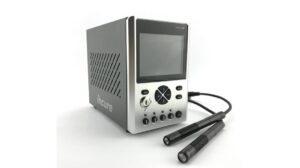
Preventing UV System Downtime With Regular Monitoring
In the world of industrial manufacturing, water treatment, and specialized curing processes, Ultraviolet (UV) systems are the unsung heroes of efficiency and safety. Whether they are disinfecting municipal water supplies, curing high-end coatings on electronics, or ensuring the sterility of pharmaceutical packaging, these systems operate with a level of precision that leaves little room for error. However, like any sophisticated industrial equipment, UV systems are prone to wear, tear, and eventual failure if left unmanaged. Preventing UV system downtime with regular monitoring is not just a best practice—it is a critical operational necessity for any facility that relies on UV technology for its core processes.
Unexpected downtime can be catastrophic. In a water treatment plant, it could mean a total halt in water distribution to avoid contamination risks. In a manufacturing line, it could mean thousands of dollars in wasted materials and hours of lost productivity. By shifting from a reactive “fix it when it breaks” mindset to a proactive monitoring strategy, businesses can ensure continuous operation, extend the lifespan of their equipment, and maintain the highest standards of safety and quality.
The True Cost of UV System Downtime
Before diving into the mechanics of monitoring, it is essential to understand what is at stake when a UV system goes offline. Downtime costs are often far more extensive than the simple price of a replacement lamp or a new ballast. The true cost includes:
- Lost Production Time: Every minute a production line is down, revenue is lost. In high-speed manufacturing, this can equate to significant financial hits.
- Regulatory Non-Compliance: For industries like food and beverage or municipal water, UV systems are often a regulatory requirement. A system failure can lead to fines, legal liabilities, and mandatory shutdowns.
- Product Spoilage: In curing applications, an underperforming UV lamp may result in incomplete polymerization, leading to batches of defective products that must be scrapped.
- Emergency Repair Costs: Expedited shipping for parts and emergency technician call-outs carry a premium price tag compared to scheduled maintenance.
Understanding the Core Components of a UV System
To monitor a system effectively, one must understand the components that are most likely to fail. A standard industrial UV system consists of several key elements, each requiring specific attention:
1. UV Lamps
The lamp is the heart of the system. Whether it is a low-pressure high-output lamp or a medium-pressure mercury vapor lamp, it has a finite lifespan. Over time, the internal gases and filaments degrade, leading to a decrease in UV output even if the lamp still appears to be “on.”
2. Quartz Sleeves
The quartz sleeve protects the lamp from the process fluid (like water) while allowing UV light to pass through. These sleeves can become “fouled” with mineral deposits, scale, or biological films, which block the UV rays from reaching their target.
3. Ballasts and Power Supplies
Ballasts regulate the electrical current delivered to the lamps. They are sensitive to heat and power surges. A failing ballast can cause lamps to flicker, operate at sub-optimal temperatures, or fail prematurely.
4. UV Sensors
Monitoring sensors measure the actual UV intensity (typically in mW/cm²) within the chamber. Interestingly, these sensors themselves can degrade or drift over time, requiring their own calibration and monitoring.
Key Parameters to Monitor for Maximum Uptime
Preventing UV system downtime with regular monitoring requires a focus on specific data points. By tracking these metrics, operators can predict failures before they occur.
UV Intensity (Irradiance)
This is the most critical metric. UV intensity measures the amount of germicidal or curing energy actually reaching the target. A drop in intensity usually indicates one of three things: the lamp is aging, the quartz sleeve is dirty, or the power supply is fluctuating. Continuous monitoring of mW/cm² allows operators to set “alarm” thresholds—if the intensity drops below 70% of the initial value, maintenance is triggered immediately.
Lamp Hours and Strike Cycles
Every UV lamp has a rated life (e.g., 9,000 to 16,000 hours). However, the number of times a lamp is turned on and off (strike cycles) also impacts its lifespan. Monitoring these hours ensures that lamps are replaced at the end of their effective life, rather than waiting for them to burn out completely.
Temperature Fluctuations
UV lamps are sensitive to temperature. If a system runs too hot, the lamp efficiency drops, and the ballast may overheat. Conversely, if the fluid being treated is too cold, the lamp may not reach its optimal operating temperature. Monitoring the internal chamber temperature helps identify cooling system failures or flow rate issues.
Transmittance of the Medium
In water treatment, UV Transmittance (UVT) refers to how much light can pass through the water. If the water becomes turbid or filled with organic matter, the UV system must work harder (or use more lamps) to achieve the same disinfection results. Monitoring UVT allows the system to adjust power levels dynamically, preventing unnecessary strain on the components.
Strategies for Effective Regular Monitoring
How does a facility implement a monitoring program that actually prevents downtime? It requires a combination of automated technology and disciplined manual checks.
Implementing Real-Time Sensors
Modern UV systems should be equipped with integrated UV sensors that provide real-time feedback to a central control panel or a PLC (Programmable Logic Controller). This allows for “smart” monitoring where the system can automatically increase power to the ballasts to compensate for a slight drop in lamp intensity, providing a buffer until maintenance can be performed.
Establishing a Baseline
You cannot know if a system is underperforming if you don’t know what “good” looks like. When new lamps and sleeves are installed, record the intensity, temperature, and power draw. This baseline serves as the benchmark for all future monitoring efforts.
Automated Alerts and Alarms
Don’t rely on an operator to notice a small red light on a panel in a noisy mechanical room. Integrate UV system monitors into the facility’s broader SCADA (Supervisory Control and Data Acquisition) system. Alerts should be sent via email or SMS when parameters drift outside of acceptable ranges.
Manual Inspection Logs
While automation is powerful, manual inspections remain vital. Once a month, a technician should physically inspect the system for leaks, check the integrity of electrical connections, and verify that the quartz sleeves do not show signs of physical etching or cracking.
Maintaining the Quartz Sleeve: The “Invisible” Barrier
One of the most common reasons for UV system failure isn’t the lamp—it’s the sleeve. Even a thin layer of calcium or iron buildup on the quartz sleeve can reduce UV effectiveness by 50% or more. Monitoring the “Sleeve Fouling Factor” is essential.
Many industrial UV systems now feature automatic wiping mechanisms. These mechanical wipers move across the sleeve at set intervals to keep them clean. However, these wipers also need monitoring. If the wiper motor fails or the rings wear out, the sleeve will foul rapidly, leading to a “low UV” alarm and subsequent downtime. Regular monitoring of the wiper’s mechanical resistance and cycle count can prevent this often-overlooked failure point.
The Role of Preventive vs. Predictive Maintenance
Preventing UV system downtime with regular monitoring bridges the gap between preventive and predictive maintenance.
- Preventive Maintenance: This is schedule-based. You change the lamps every 12 months regardless of their condition. While safer than doing nothing, it can be wasteful if the lamps still have 20% of their life left.
- Predictive Maintenance: This is data-based. By monitoring the UV intensity and lamp hours, you can predict exactly when a lamp will fall below the required threshold. This allows you to order parts just-in-time and schedule maintenance during planned facility shutdowns, rather than interrupting active production.
Advanced Monitoring: IoT and Remote Diagnostics
The future of UV system reliability lies in the Internet of Things (IoT). High-end UV installations are now being equipped with remote monitoring capabilities. This allows equipment manufacturers or specialized service providers to monitor the “health” of a UV system from a different city or even a different country.
Remote diagnostics can identify patterns that a local operator might miss. For example, if a ballast is showing a specific harmonic distortion in its power draw, it may indicate an impending failure of a capacitor. Catching this via remote monitoring allows for a replacement to be sent before the system actually fails, effectively reducing downtime to zero.
Best Practices for UV System Operators
To truly master the art of preventing downtime, operators should follow these standardized best practices:
- Keep Spare Parts On-Site: Monitoring is useless if you have to wait two weeks for a lamp to arrive from overseas. Always stock at least one full set of lamps, sleeves, and a spare ballast.
- Calibrate Sensors Annually: A UV sensor that reads 10% higher than it should is a liability. Ensure sensors are calibrated against a master reference meter regularly.
- Train Staff: Ensure that the personnel responsible for the UV system understand what the monitor readings mean. They should be able to distinguish between a “failing lamp” alarm and a “fouled sleeve” alarm.
- Document Everything: Maintain a digital log of all monitoring data and maintenance actions. This documentation is invaluable for troubleshooting recurring issues and for proving compliance during audits.
The Environmental and Financial Impact of Monitoring
Beyond simply keeping the lights on, regular monitoring has significant environmental and financial benefits. An optimized UV system consumes less power. By monitoring intensity, you can run lamps at 80% power when conditions allow, rather than 100% all the time. This reduces the carbon footprint of the facility and significantly lowers utility costs.
Furthermore, by extending the life of lamps and ballasts through proper cooling and power management (informed by monitoring), you reduce the amount of hazardous waste—such as mercury-containing lamps—that must be disposed of.
Conclusion
Preventing UV system downtime with regular monitoring is the cornerstone of modern industrial reliability. The transition from reactive repairs to a data-driven monitoring strategy ensures that UV systems remain effective, safe, and cost-efficient. By focusing on key parameters like UV intensity, lamp hours, and sleeve cleanliness, and by leveraging modern tools like real-time sensors and remote diagnostics, facilities can eliminate the “surprise” of system failure.
In an era where efficiency is everything, you cannot afford to leave your UV system’s health to chance. Investing in a robust monitoring program is an investment in the continuity of your business, the quality of your product, and the safety of your customers. Start by assessing your current monitoring capabilities today—because the best time to fix a system failure is before it ever happens.
Visit www.blazeasia.com for more information.