Needle Bonding: The Ultimate Guide to Precision Medical Assembly
In the world of medical device manufacturing, precision and reliability are not just goals—they are absolute requirements. One of the most critical processes in the production of disposable medical devices is needle bonding. Whether it is a standard hypodermic syringe, a complex catheter, or a specialized blood collection set, the integrity of the bond between the stainless steel cannula and the plastic hub is paramount for patient safety and device performance.
This ultimate guide explores the intricacies of needle bonding, covering the materials used, the selection of adhesives, the curing processes, and the rigorous quality control standards required to meet global medical regulations. If you are looking to optimize your production line or understand the technical nuances of this specialized field, this guide is for you.
What is Needle Bonding?
Needle bonding is the industrial process of permanently attaching a metal needle (cannula) to a plastic or metal housing (hub). This assembly is a core component of millions of medical devices used daily. The primary objective is to create a leak-proof, high-strength connection that can withstand significant “pull-out” forces while remaining biocompatible and resistant to sterilization processes.
Historically, mechanical methods or solvent welding were used, but modern manufacturing almost exclusively relies on high-performance medical-grade adhesives. These adhesives offer superior bond strength, faster production speeds, and the ability to join dissimilar materials that are otherwise difficult to connect.
The Importance of Material Compatibility
Successful needle bonding begins with understanding the materials involved. Most medical needles are made from 304 or 316L stainless steel, known for their corrosion resistance and strength. However, the hubs are made from a variety of plastics, each presenting unique bonding challenges.
- Polycarbonate (PC): Highly transparent and strong, often used for its clarity. It bonds well with most medical adhesives.
- Polypropylene (PP) and Polyethylene (PE): These are “low surface energy” plastics. They are chemically resistant and cost-effective but notoriously difficult to bond without surface treatment.
- ABS and Acrylics: Common in rigid housings, these materials generally offer good adhesion properties.
- PEEK and Specialized Polymers: Used in high-end or reusable devices, these require specific adhesive formulations to ensure long-term stability.
Before selecting an adhesive, manufacturers must ensure that the chemical composition of the glue will not cause “stress cracking” in the plastic hub, a common failure point in polycarbonate assemblies.
Types of Adhesives Used in Needle Bonding
Choosing the right adhesive is the most critical decision in the needle assembly process. The adhesive must meet three criteria: performance, processability, and biocompatibility.
1. UV and Light-Curing Adhesives
Light-curable adhesives (LCAs) are the industry standard for high-volume needle production. These adhesives remain liquid until exposed to specific wavelengths of light (UV or visible light), at which point they cure in seconds.
- Pros: Instant curing, easy to automate, “cure-on-demand” nature allows for precise alignment before hardening.
- Cons: Requires at least one substrate to be translucent to allow light penetration.
2. Cyanoacrylates (Instant Glues)
Cyanoacrylates are often used for rapid bonding where light cannot reach the bond gap. Medical-grade versions are formulated to be low-odor and low-blooming (preventing the white residue often seen with standard superglues).
- Pros: Very fast room-temperature cure, excellent for opaque materials.
- Cons: Can be brittle; sensitive to moisture during the curing process.
3. Epoxies (One-part and Two-part)
Epoxies are used when extreme chemical resistance or high-temperature stability (such as repeated autoclaving) is required.
- Pros: Highest overall strength, excellent gap filling.
- Cons: Long cure times (often requiring heat ovens), more difficult to manage in high-speed automation.
The Needle Bonding Process: Step-by-Step
To achieve a “six-sigma” level of quality, the needle bonding process must be strictly controlled. Even a minor deviation in the amount of adhesive or the intensity of the curing light can lead to catastrophic failure.
Step 1: Surface Preparation
For many plastics, the surface must be “activated” to allow the adhesive to wet the surface properly. Common methods include:
- Plasma Treatment: Using ionized gas to change the surface chemistry.
- Corona Treatment: Using high-voltage discharge to increase surface energy.
- Solvent Cleaning: Removing residual oils from the stainless steel cannula manufacturing process.
Step 2: Adhesive Dispensing
Precision is key. Too much adhesive leads to “flash” or “squeeze-out” that can block the needle lumen. Too little adhesive results in a weak bond. Modern systems use volumetric dispensing or positive displacement pumps to ensure identical dots of glue are applied to every single hub.
Step 3: Needle Insertion
The cannula is inserted into the hub. Often, the needle is rotated or vibrated slightly during insertion to ensure the adhesive is distributed evenly around the circumference of the needle, eliminating air pockets or “voids.”
Step 4: Curing
In a UV-curing setup, the assembly passes under a high-intensity LED or Mercury lamp. LED curing is increasingly popular due to its consistent output, lower heat generation, and longer bulb life. The adhesive transforms from a liquid to a cross-linked solid in 0.5 to 3 seconds.
Step 5: Inspection and Testing
Every needle is typically subjected to a vision system check to ensure the presence of the adhesive and the correct seating of the needle. Random samples are taken for destructive testing.
Quality Control and Regulatory Compliance
Because these devices enter the human body, the regulatory burden is high. Needle bonding processes must comply with several international standards.
ISO 10993: Biocompatibility
Any adhesive used in needle bonding must be tested for biocompatibility. This ensures that the adhesive does not leach toxic chemicals into the patient’s bloodstream or cause an allergic reaction. Tests include cytotoxicity, sensitization, and intracutaneous reactivity.
ISO 7864: Sterile Hypodermic Needles
This standard specifies the requirements for sterile hypodermic needles for single use. One of the most important tests here is the Pull-out Force Test. The bond must be strong enough to resist a specific amount of force (measured in Newtons) to ensure the needle doesn’t detach from the hub during use.
ISO 13485: Quality Management
Manufacturers must maintain a rigorous quality management system (QMS) that documents every step of the bonding process, including the batch numbers of the adhesives and the calibration records of the curing lamps.
Common Challenges in Needle Bonding
Even with the best equipment, challenges can arise. Here are some of the most common issues and how to solve them:
1. The “Shadowing” Effect
In UV curing, if the hub design has opaque sections, the light may not reach all parts of the adhesive. This results in “uncured” liquid adhesive.
Solution: Use “Dual-Cure” adhesives that cure with light but also have a secondary moisture or heat cure mechanism for shadowed areas.
2. Adhesive Migration (Wicking)
Low-viscosity adhesives can “wick” up the inside of the needle or down the outside, causing blockages or aesthetic defects.
Solution: Optimize the viscosity of the adhesive and use precision dispensing tips to control the volume.
3. Bubbles and Voids
Air trapped in the bond line weakens the structure and can be a site for bacterial growth.
Solution: Use degassed adhesives and ensure the insertion speed of the needle is calibrated to allow air to escape.
4. Fluorescence for Inspection
It can be hard to see clear adhesive on a clear hub.
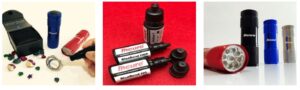
Solution: Many medical adhesives include a fluorescing agent. Under a blacklight (UV), the adhesive glows blue or red, allowing automated vision systems to verify the bond’s integrity instantly.
The Shift Toward LED Curing Technology
One of the biggest trends in needle bonding is the transition from traditional Mercury vapor lamps to LED curing systems. The benefits are substantial:
- Consistency: LEDs do not degrade over time like bulbs, ensuring the “dose” of light is the same for the first needle and the millionth needle.
- Cool Curing: LEDs emit very little infrared heat, which prevents the warping or melting of thin-walled plastic hubs.
- Energy Efficiency: LEDs can be turned on and off instantly, saving power and reducing the carbon footprint of the factory.
Choosing the Right Partner for Needle Bonding
Setting up a needle bonding line requires a deep understanding of chemistry, mechanical engineering, and regulatory law. It is rarely a “plug-and-play” operation. Manufacturers need to collaborate with adhesive suppliers and equipment integrators who specialize in the medical sector.
When evaluating a solution, consider the following questions:
- Is the adhesive ISO 10993 certified?
- Can the adhesive withstand sterilization (Gamma, EtO, or Autoclave)?
- What is the shelf life and storage requirement of the material?
- Does the dispensing equipment integrate with my existing automation?
If you are navigating these complexities, expert guidance can save months of validation time. [Contact Our Team](https://shop.blazeasia.com/pages/contact) today to discuss your specific needle bonding requirements and find the perfect adhesive and equipment match for your production line.
Future Trends in Needle Assembly
As medical technology evolves, so does needle bonding. We are seeing several exciting developments:
1. Micro-Needles and Wearables
The rise of insulin patches and “microneedle” arrays for drug delivery requires even higher levels of precision. Bonding hundreds of tiny needles to a single substrate requires advanced nanotechnology-based adhesives and ultra-fine dispensing systems.
2. Sustainable Materials
There is a push toward “green” medical devices. This involves using bio-based plastics or recyclable materials for hubs. Adhesives are being reformulated to bond to these new, environmentally friendly substrates without sacrificing safety.
3. Smart Manufacturing (Industry 4.0)
Modern needle bonding lines are now equipped with sensors that track the exact curing energy, dispensing pressure, and humidity for every single unit. This “digital twin” of the production process allows for total traceability, which is invaluable during a regulatory audit.
Conclusion
Needle bonding is a small but vital link in the chain of modern healthcare. The ability to safely and efficiently join a stainless steel cannula to a plastic hub allows for the mass production of the tools that deliver life-saving vaccines, draw diagnostic blood, and administer critical medications. By understanding the synergy between material science, light-curing technology, and rigorous quality standards, manufacturers can ensure that their products are both high-performing and safe for patient use.
Whether you are a startup developing a new drug delivery system or an established manufacturer looking to increase throughput, mastering the art and science of needle bonding is essential for success in the competitive medical device landscape.
Visit [www.blazeasia.com](https://shop.blazeasia.com) for more information.