
Harnessing the Light: Unveiling the Power of UV Light Curing Chambers

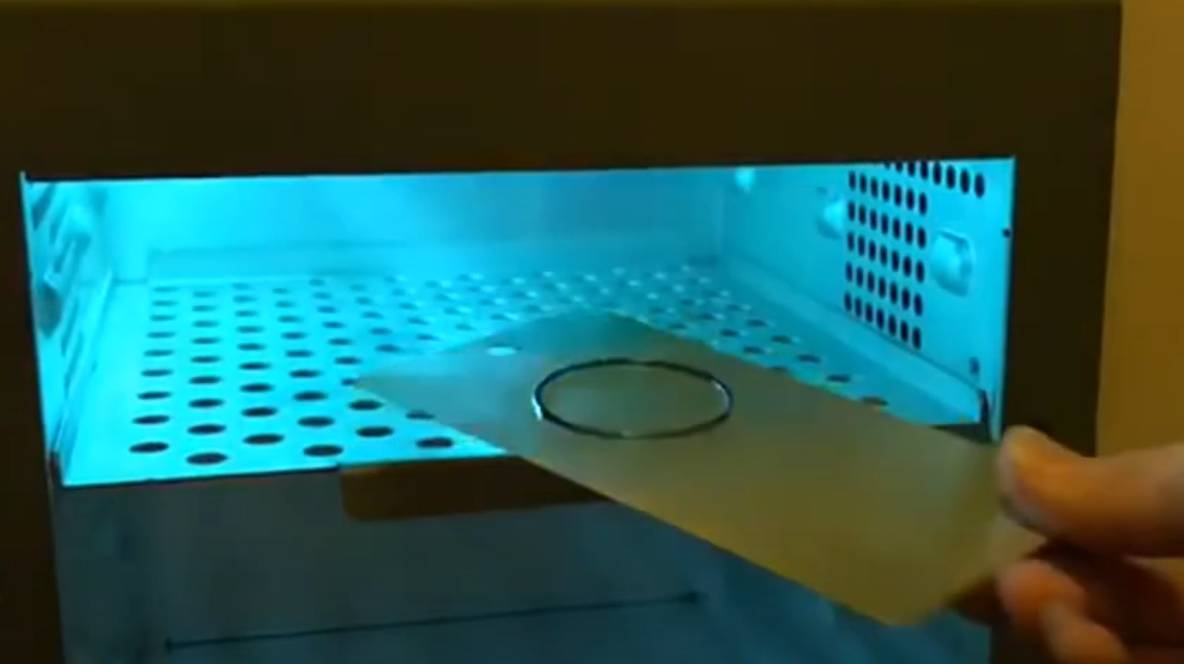
Harnessing the Light: Unveiling the Power of UV Light Curing Chambers In today's fast-paced world, efficiency and precision reign supreme. Across various industries, the need for rapid and reliable curing processes is ever-present. This is where UV light curing chambers step in, offering a revolutionary solution for applications that utilize light-curable materials. What is a UV Light Curing Chamber? A UV light curing chamber is a specialized enclosure equipped with ultraviolet (UV) lamps that emit light at specific wavelengths. This light triggers a chemical reaction within light-curable materials, causing them to solidify rapidly. The chamber environment is typically controlled to ensure consistent and optimal curing conditions. Why Choose a UV Light Curing Chamber? There are numerous advantages to incorporating UV light curing chambers into your workflow: Unmatched Speed: UV light offers instant curing, significantly reducing processing time compared to traditional methods like air drying or heat curing. This translates to increased productivity and faster turnaround times. Consistent Results: The controlled environment of the chamber ensures uniform light exposure across the entire surface of the material, leading to consistent and predictable curing results. Enhanced Quality: Rapid curing minimizes the risk of defects or inconsistencies that can occur with slower curing methods, leading to higher quality finished products. Versatility Across Applications: UV light curing chambers cater to a wide range of light-curable materials, making them ideal for diverse applications. Safe and Clean Operation: Modern UV light curing chambers often utilize enclosed designs with safety features to minimize user exposure to UV light and potential emissions. Applications for UV Light Curing Chambers The versatility of UV light curing chambers makes them valuable tools across various industries: 3D Printing: Rapidly cure 3D printed parts made from UV-curable resins, enabling faster prototyping and production cycles. Dental Applications: Cure dental fillings, crowns, and other dental prosthetics with precision and efficiency. Electronics Manufacturing: Securely bond components and encapsulate electronics using UV-curable adhesives and coatings. Industrial Coatings: Apply and cure UV-curable coatings on various surfaces for rapid finishing and protection. Nail Salons: Provide fast and efficient curing of gel polishes for a long-lasting manicure. Choosing the Right UV Light Curing Chamber Selecting the optimal UV light curing chamber requires considering several factors: Light Source and Wavelength: Choose a chamber with the appropriate UV light source and wavelength that matches the specific curing requirements of your chosen materials. Chamber Size: Consider the size and volume of objects you plan to cure to ensure they fit comfortably within the chamber. Curing Time: Select a chamber with adjustable curing time settings to cater to the varying needs of different materials. Safety Features: Look for features like safety interlocks and light filters to ensure safe operation. Additional Features: Some chambers offer features like turntables for even curing or inert gas purging capabilities for specific applications. Unlocking Efficiency and Precision with UV Light Curing Chambers UV light curing chambers offer a game-changing solution for applications that rely on light-curable materials. From rapid curing to consistent results and enhanced quality, these chambers empower you…
Comments Off on Harnessing the Light: Unveiling the Power of UV Light Curing Chambers

Silicone Conformal Coating: The Flexible Shield for Reliable Electronics

The miniaturization of electronics has revolutionized technology, but it's also introduced new challenges. Delicate components are now more susceptible to environmental threats like moisture, extreme temperatures, and physical stress. This is where silicone conformal coating steps in, offering a flexible and resilient shield that safeguards your electronic devices. What is Silicone Conformal Coating? Silicone conformal coating is a thin layer of silicone-based polymer applied to printed circuit boards (PCBs) and electronic components. Unlike some rigid coatings, silicone forms a flexible, rubbery layer that conforms to the intricate shapes of components, creating a protective barrier against a range of environmental hazards. Why Choose Silicone Conformal Coating? Silicone conformal coating boasts unique properties that make it a compelling choice for various applications: Superior Flexibility: Unlike rigid coatings that can crack under stress, silicone remains flexible, accommodating thermal expansion and contraction of components. Exceptional Durability: Silicone is known for its resistance to extreme temperatures, vibrations, and harsh chemicals, ensuring long-lasting protection for your electronics. Enhanced Moisture Resistance: Silicone forms an effective barrier against moisture ingress, preventing electrical shorts and corrosion caused by humidity or liquid exposure. Broad Range of Applications: From consumer electronics to industrial control systems and even harsh outdoor environments, silicone conformal coating offers versatile protection. Improved Thermal Management: Certain silicone formulations can aid in heat dissipation, contributing to optimal performance of your electronic devices. Applications for Silicone Conformal Coating The unique properties of silicone conformal coating make it suitable for various applications: Automotive Electronics: Protecting critical components in cars and motorcycles exposed to vibration, extreme temperatures, and moisture. Industrial Automation: Safeguarding electronics within industrial machinery operating in harsh environments with dust, chemicals, and potential for water splashes. Medical Devices: Ensuring reliable performance of medical equipment exposed to cleaning solutions, humidity, and potential for physical contact. Consumer Electronics: Adding a layer of protection to smartphones, wearables, and other portable devices in everyday use scenarios. Outdoor Electronics: Shielding components in outdoor applications like security cameras, weather stations, and LED displays exposed to sunlight, rain, and extreme temperatures. Choosing the Right Silicone Conformal Coating Selecting the optimal silicone conformal coating requires considering your specific application: Desired Flexibility: Choose the level of flexibility based on the potential movement or stress your components might experience. Temperature Range: Ensure the coating can withstand the operating temperature range of your electronics. Chemical Resistance: Consider potential exposure to chemicals or cleaning solutions and choose a coating with appropriate resistance. Application Method: Different methods exist (dipping, spraying, brushing) – select the one that aligns with your production volume and desired coating thickness. Invest in Long-Lasting Protection with Silicone Conformal Coating Silicone conformal coating is a valuable investment for ensuring the reliability and longevity of your electronic devices. By offering superior flexibility, durability, and environmental protection, it safeguards your electronics against a wide range of threats. So, consider incorporating silicone conformal coating into your manufacturing process or electronic repair projects to provide your devices with the flexible shield they need to perform optimally for years to come.

Comments Off on Silicone Conformal Coating: The Flexible Shield for Reliable Electronics

The Instant Fixer: Why Cyanoacrylate Adhesives Deserve a Spot in Your Toolkit

In the fast-paced world of repairs and DIY projects, time is often of the essence. Enter cyanoacrylate adhesives, also known as super glue! These remarkable adhesives offer an instant bonding solution for a wide range of materials, making them a must-have for any toolbox. What is Cyanoacrylate? Cyanoacrylate is a powerful adhesive that cures rapidly when exposed to moisture. It comes in various viscosities (thicknesses) and formulations, catering to diverse bonding needs. From thin, fast-acting formulas for small repairs to thicker gels for gap-filling applications, there's a cyanoacrylate perfect for your project. Why Choose Cyanoacrylate Adhesives? The unique properties of cyanoacrylate adhesives make them a compelling choice for various scenarios: Unmatched Speed: Forget about waiting hours for your glue to dry. Cyanoacrylate bonds form in seconds, minimizing downtime and streamlining your workflow. Strong Bonds: These adhesives create surprisingly strong bonds that can withstand significant stress in many applications. Versatility Across Materials: Cyanoacrylate can effectively bond a wide range of materials, including plastics, metals, wood, ceramics, and even rubber. Simple Application: Most cyanoacrylates come in easy-to-use applicator bottles or tubes, requiring minimal preparation for use. Cost-Effective Solution: Cyanoacrylate adhesives are generally affordable, offering a budget-friendly solution for a multitude of repair tasks. Applications for Cyanoacrylate Adhesives The speed and versatility of cyanoacrylate adhesives make them suitable for various projects, including: Household Repairs: Fixing broken furniture, mending chipped ceramics, and reattaching loose trim are just a few examples. Hobby and Craft Projects: Creating models, jewelry, and other decorative items is made easier with the instant bonding power of cyanoacrylate. Quick Fixes: From reattaching a button to a shirt to mending a broken toy, cyanoacrylate is your go-to solution for small, on-the-spot repairs. Automotive Applications: Securing loose parts, repairing minor cracks in plastic components, and weatherproofing electrical connections are some potential uses. Professional Applications: Cyanoacrylate adhesives find use in various industries for rapid bonding and repairs. Choosing the Right Cyanoacrylate Adhesive With a variety of cyanoacrylate options available, selecting the right one for your project is essential: Material Compatibility: Ensure the chosen adhesive is compatible with the materials you're bonding. Some formulations might not be suitable for certain plastics. Viscosity: Opt for a thinner viscosity for small surfaces or intricate repairs, while thicker gels are ideal for gap-filling applications. Curing Time: While cyanoacrylates are generally fast-acting, some offer even faster cure times for situations requiring immediate bonding. Surface Preparation: For optimal bond strength, ensure the bonding surfaces are clean, dry, and free of contaminants. Cyanoacrylate: Your Speedy Repair Partner Cyanoacrylate adhesives are a game-changer for quick repairs, crafting projects, and various professional applications. Their unmatched speed, strong bonds, and versatility make them a valuable addition to any toolbox. So, next time you face a repair challenge, consider the power of cyanoacrylate and experience the instant fixing magic for yourself!

Comments Off on The Instant Fixer: Why Cyanoacrylate Adhesives Deserve a Spot in Your Toolkit