How to Troubleshoot UV Curing Systems in Manufacturing: A Comprehensive Guide
In the modern manufacturing landscape, UV curing systems have become indispensable. From high-speed printing and electronics assembly to medical device manufacturing and automotive coatings, the ability to cure adhesives, inks, and coatings instantly using ultraviolet light is a cornerstone of production efficiency. However, when a UV curing system fails or underperforms, it can lead to significant downtime, wasted materials, and compromised product quality.
Troubleshooting these systems requires a blend of mechanical, electrical, and chemical knowledge. This guide provides an in-depth look at how to identify, diagnose, and resolve common issues in industrial UV curing systems to keep your production line running at peak performance.
Understanding the Mechanics of UV Curing
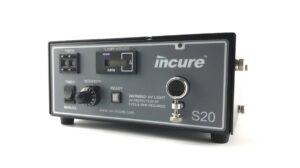
Before diving into troubleshooting, it is essential to understand the components that make up a standard industrial UV curing system. Most systems consist of a power supply (ballast), a lamp head containing the UV bulb (either mercury vapor or LED), reflectors to focus the light, and a cooling system (air or water). Any one of these components can be the source of a curing failure.
The curing process itself relies on a photochemical reaction. When UV-curable materials are exposed to the correct wavelength and intensity of light, photoinitiators within the material absorb the energy and trigger a polymerization reaction. If the light intensity (irradiance) or the total energy delivered (dose) is insufficient, the material will not reach its full physical properties.
Common Symptoms of UV Curing Failure
Identifying the problem starts with observing the output. In manufacturing, UV curing issues usually manifest in a few specific ways:
- Tacky or Sticky Surface: The material feels wet or “grabby” to the touch even after passing through the curing station. This often indicates “oxygen inhibition” or a lack of surface cure.
- Poor Adhesion: The material cures on the surface but can be easily peeled or scraped off the substrate. This suggests a lack of “through-cure” where the UV light failed to penetrate the bottom layers.
- Brittle or Discolored Parts: This is often a sign of over-curing or excessive heat exposure during the process.
- Inconsistent Curing Across the Web: If parts on one side of a conveyor are cured while others are not, the issue is likely related to lamp alignment or reflector degradation.
Step 1: Measuring UV Output with Radiometry
The most common mistake in troubleshooting UV systems is relying on the human eye. UV light is invisible, and a bulb that looks “bright” may actually be failing to emit the specific spectral wavelengths required for the chemistry. The first step in any professional troubleshooting protocol is using a calibrated radiometer.
Irradiance vs. Energy Density
You must measure two distinct metrics:
- Irradiance (mW/cm²): This is the peak intensity of the light hitting the surface. Think of this as the “brightness” of the UV. It is critical for initiating the reaction and overcoming oxygen inhibition.
- Energy Density or Dose (mJ/cm²): This is the total amount of energy delivered over a period of time. It is a function of the irradiance and the duration of exposure (line speed).
If your radiometer readings are lower than the established baseline for your process, you have confirmed a hardware issue rather than a chemical one.
Step 2: Inspecting the UV Lamp and Bulb Health
The bulb is the heart of the system and the most frequent point of failure. In electrode-based mercury systems, bulbs have a finite lifespan, typically ranging from 1,000 to 2,000 hours. In UV LED systems, the lifespan is much longer (up to 20,000+ hours), but they are still subject to degradation.
Signs of Bulb Aging
Inspect the bulb for “devitrification,” which appears as a white, cloudy frosting on the quartz glass. This cloudiness acts as a filter, trapping the UV energy inside the bulb and converting it into heat rather than usable light. If you see blackening at the ends of the bulb, the electrodes are degrading, which will eventually lead to ignition failure.
Cleaning the Bulb
Contaminants such as dust, finger oils, or overspray can bake onto the quartz surface. This creates “hot spots” and blocks UV transmission. Always clean bulbs with isopropyl alcohol and a lint-free cloth. Never touch a UV bulb with bare hands, as the oils from your skin will cause the quartz to fail prematurely.
Step 3: Evaluating Reflector Condition
In traditional lamp systems, the reflectors are responsible for directing up to 75% of the UV energy toward the product. If the reflectors are dull, warped, or dirty, the curing efficiency will plummet regardless of how new the bulb is.
Reflector Maintenance
- Cleaning: Reflectors should be cleaned as often as the bulbs. Use the manufacturer-recommended cleaning solution to remove dust and debris.
- Replacement: Reflectors have a reflective coating (often dichroic or polished aluminum) that degrades over time due to the intense heat and UV exposure. If a reflector looks “blue” or “dull” despite cleaning, it must be replaced.
- Alignment: Ensure the reflectors are properly seated. If they are slightly out of position, the focal point of the UV light will miss the product, leading to under-curing.
Step 4: Troubleshooting the Cooling System
UV lamps generate an immense amount of infrared energy (heat). Without proper cooling, the system will not only damage the substrate but can also cause the UV bulbs to fail or the lamp head to warp.
Air-Cooled Systems
If your system uses fans, check the following:
- Filter Clogging: Clogged intake filters reduce airflow, leading to overheating.
- Blower Direction: Ensure the blowers are rotating in the correct direction and that ductwork is not restricted.
- Ambient Temperature: If the factory floor is excessively hot, the cooling system may struggle to maintain the required temperature delta.
Water-Cooled Systems
For high-power systems using water chillers:
- Flow Rate: Verify that the flow rate meets the manufacturer’s specifications.
- Coolant Quality: Use only distilled water or the recommended coolant. Mineral buildup (scale) inside the lamp head can create an insulating layer that prevents heat transfer.
- Leaks: Even a tiny leak can lead to catastrophic electrical failure if water contacts the high-voltage lamp terminals.
Step 5: Electrical and Power Supply Issues
If the lamp fails to strike (ignite) or flickers during operation, the issue likely lies in the power supply or the cabling.
Ignition Failure
Mercury vapor lamps require a high-voltage “strike” to turn on. If the lamp won’t start, check the igniter. Listen for a clicking sound or a hum. If the igniter is working but the lamp won’t stay lit, the ballast may be failing to provide the “sustain” voltage.
Cable Integrity
High-voltage cables used in UV systems are subject to thermal cycling. Inspect the insulation for cracks or signs of arcing. Ensure that the connections at the lamp ends are tight and free of corrosion. Loose connections create resistance, which generates heat and can melt the terminals.
Step 6: Chemical and Material Factors
Sometimes, the “curing problem” isn’t a hardware problem at all. If your radiometer shows that the UV output is perfect, but the product is still not curing, you must look at the chemistry.
Oxygen Inhibition
Many UV-curable resins (specifically acrylates) are sensitive to oxygen. Oxygen in the air can interfere with the chemical reaction at the very surface of the coating, leaving a tacky layer. This is often solved by increasing the UV intensity (irradiance) or by nitrogen inerting (replacing the air in the curing chamber with nitrogen gas).
Shelf Life and Storage
UV-curable materials have a limited shelf life. If the material has been exposed to ambient light or stored in a high-heat environment, the photoinitiators may have degraded. Always check the “use-by” date and ensure the material was stirred properly, as components can settle over time.
Substrate Variation
A change in the substrate can affect cure. For example, if you switch from a white substrate to a black one, the black material may absorb more UV energy, leaving less for the coating to use for through-cure. Similarly, some substrates may contain plasticizers that migrate to the surface and interfere with adhesion.
Developing a Preventive Maintenance (PM) Schedule
The best way to troubleshoot is to prevent the failure from happening in the first place. A robust PM schedule for UV curing systems should include:
- Daily: Visual inspection of the bulbs and reflectors for debris. Check the cooling system for any warning lights on the chiller or blowers.
- Weekly: Take radiometer readings (irradiance and dose) and log them. Compare these to the “baseline” when the bulbs were new.
- Monthly: Clean the lamps and reflectors with isopropyl alcohol. Inspect air filters and replace them if necessary.
- Bi-Annually: Deep clean the cooling system. Check electrical connections for tightness. Inspect the shutter mechanism (if applicable) for smooth operation.
Safety Protocols During Troubleshooting
Troubleshooting UV systems involves high voltage, high temperatures, and intense UV radiation. Safety must be the priority.
- UV Protection: Never look directly at an operating UV lamp. Ensure all shields are in place. If you must observe the lamp, use a UV-rated face shield and ensure all skin is covered.
- Lockout/Tagout (LOTO): Before opening a lamp head or power supply, follow standard LOTO procedures to ensure the system cannot be energized.
- Ozone Safety: Standard “short-wave” UV lamps produce ozone, which is a respiratory irritant. Ensure the exhaust system is functioning correctly to vent ozone out of the building.
- Capacitor Discharge: UV power supplies often contain large capacitors that hold a lethal charge even after the power is turned off. Allow the system to sit for the manufacturer-recommended time (usually 5-10 minutes) before performing internal electrical work.
Conclusion
Troubleshooting UV curing systems in a manufacturing environment requires a systematic approach. By utilizing radiometry to verify output, maintaining the cleanliness of bulbs and reflectors, and ensuring the cooling and electrical systems are functioning within spec, you can resolve most curing issues quickly. Remember that the interaction between the UV light and the chemistry is a delicate balance; when one side of the equation changes, the other must be adjusted to compensate.
Investing time in a structured preventive maintenance program and training operators to recognize the early signs of lamp degradation will significantly reduce unexpected downtime and improve the overall quality of your manufactured goods. UV technology is a powerful tool, and with proper care, it remains one of the most efficient ways to process materials in the modern industrial world.
Visit www.blazeasia.com for more information.