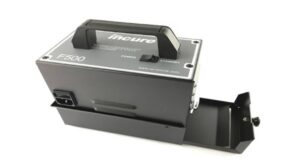
The Ultimate Guide to UV Curing Equipment: Transforming Industrial Efficiency
In the modern manufacturing landscape, speed, precision, and sustainability are the cornerstones of success. One technology that has consistently delivered on all three fronts is UV curing. UV curing equipment has revolutionized how industries approach bonding, coating, and printing, moving away from slow, energy-intensive thermal drying processes toward instantaneous, high-performance photochemical reactions. Whether you are in electronics assembly, medical device manufacturing, or high-speed printing, understanding the nuances of UV curing equipment is essential for optimizing your production line.
This comprehensive guide explores everything you need to know about UV curing equipment, from the underlying science to the latest advancements in LED technology and how to select the right system for your specific application.
What is UV Curing?
UV curing is a photochemical process in which high-intensity ultraviolet light is used to instantly cure or “dry” inks, coatings, or adhesives. Unlike traditional drying methods that rely on the evaporation of solvents, UV curing works through photopolymerization. When a UV-curable formulation is exposed to the correct wavelength of light, photoinitiators within the material absorb the energy and trigger a chemical reaction that links monomers and oligomers into a solid polymer network.
The result is a nearly instantaneous transformation from a liquid to a solid, providing a durable, high-quality finish that is resistant to chemicals, heat, and mechanical wear. Because the process is almost immediate, it allows for significantly faster production speeds and reduced work-in-progress inventory.
The Evolution of UV Curing Equipment
Historically, the industry relied heavily on medium-pressure mercury vapor lamps. While effective, these systems come with challenges, including high heat output, the presence of ozone, and the need for frequent bulb replacements. In recent years, the industry has seen a massive shift toward UV LED curing equipment.
Traditional Mercury Vapor Lamps
Mercury lamps produce a broad spectrum of UV light. They are powerful and effective for curing thick coatings or materials that require a wide range of wavelengths to fully react. However, they require a warm-up and cool-down period, consume significant amounts of electricity, and contain hazardous mercury, which requires specialized disposal.
UV LED Curing Systems
UV LED (Light Emitting Diode) technology represents the cutting edge of UV curing equipment. Unlike broad-spectrum lamps, LEDs emit a narrow band of UV light (typically 365nm, 385nm, 395nm, or 405nm). This targeted approach is highly energy-efficient and generates significantly less heat, making it ideal for heat-sensitive substrates like thin films or delicate electronic components. Furthermore, LEDs offer an “instant on/off” capability and can last for over 20,000 hours, drastically reducing maintenance costs.
Core Components of UV Curing Equipment
To achieve a consistent and reliable cure, several components must work in harmony. Understanding these parts helps in troubleshooting and optimizing the process.
- Light Source: This is the heart of the system, whether it is a mercury bulb, a microwave-powered lamp, or an LED array.
- Power Supply/Driver: This component regulates the electrical energy delivered to the light source, ensuring stable output and intensity control.
- Reflectors: In traditional lamp systems, reflectors are used to focus the UV light onto the substrate. Their geometry determines the intensity and “focus” of the light.
- Cooling System: UV curing generates heat. High-performance systems use air or water cooling to maintain optimal operating temperatures for the light source and to protect the substrate.
- Control Interface: Modern equipment features digital controllers that allow operators to adjust intensity, timing, and integration with automated production lines.
If you need help selecting the right system for your facility, [Contact Our Team](https://shop.blazeasia.com/pages/contact) for expert guidance.
Key Applications of UV Curing Equipment
The versatility of UV curing equipment has led to its adoption across a diverse range of sectors. Here are some of the most common industrial applications:
1. Electronics and Semiconductor Manufacturing
In the electronics industry, UV curing is used for conformal coating, potting, and bonding components. Since UV LED systems produce very little heat, they are perfect for protecting sensitive PCBs (Printed Circuit Boards) without risking thermal damage. UV adhesives are also used to secure lenses in camera modules and to bond display panels in smartphones.
2. Medical Device Assembly
Medical devices often require the bonding of plastics, glass, and metals with high precision and biocompatibility. UV curing equipment provides the rapid, repeatable bonding necessary for items like catheters, syringes, and hearing aids. The ability to monitor and validate the curing dose is critical for meeting strict regulatory standards.
3. Automotive Industry
From headlamp assembly to interior trim coatings, UV curing plays a vital role in the automotive sector. UV-cured clear coats provide exceptional scratch and chemical resistance, ensuring that vehicles maintain their aesthetic appeal over years of exposure to harsh environments.
4. Printing and Packaging
UV-curable inks are widely used in flexographic, offset, and digital inkjet printing. Because the ink cures instantly, there is no “bleeding,” resulting in sharper images and more vibrant colors. In packaging, UV coatings provide a high-gloss finish and a protective barrier that is food-safe and durable.
5. Wood and Furniture Coating
Large-scale wood finishing lines utilize UV conveyor systems to cure sealers and topcoats. This allows manufacturers to stack and ship finished products immediately after they exit the curing tunnel, drastically reducing the footprint of the finishing department.
Advantages of Implementing UV Curing Systems
Switching to UV curing equipment offers numerous strategic advantages for manufacturing operations:
- Increased Production Speed: Instant curing means no waiting for ovens or air-drying, leading to higher throughput.
- Improved Product Quality: UV-cured materials are known for their superior hardness, adhesion, and resistance to environmental factors.
- Environmental Sustainability: Most UV-curable formulations are 100% solids and solvent-free, meaning they emit little to no Volatile Organic Compounds (VOCs).
- Space Savings: UV curing stations are typically much smaller than traditional thermal drying ovens, freeing up valuable floor space.
- Energy Efficiency: Especially with LED technology, UV curing consumes a fraction of the power required by heat-based drying systems.
How to Choose the Right UV Curing Equipment
Selecting the appropriate UV curing equipment requires a deep understanding of your material’s requirements and your production environment. Consider the following factors:
Wavelength Compatibility
The photoinitiators in your adhesive or ink are designed to react to specific wavelengths. You must ensure that the output of your UV curing system matches the absorption spectrum of the material. For example, if your adhesive requires 365nm light, a 405nm LED might not trigger a full cure.
Irradiance and Dose
Irradiance (the intensity of light hitting the surface) and Dose (the total energy delivered over time) are the two most critical parameters. High irradiance is often needed to overcome oxygen inhibition on the surface, while a sufficient dose ensures the cure reaches the bottom of the material layer.
Part Geometry and Shadowing
If you are curing complex 3D parts, you need to ensure that the UV light reaches all areas. “Shadowing” occurs when parts of the substrate block the light. In such cases, you may need multiple light heads at different angles or a robotic arm to rotate the part under the light source.
Thermal Sensitivity
If your substrate is prone to warping or melting, UV LED equipment is the preferred choice due to its low infrared output. If you must use mercury lamps, look for systems with dichroic filters or advanced cooling mechanisms.
Integration and Automation
Will the UV system be a standalone station, or will it be integrated into a high-speed automated line? Look for equipment with robust I/O capabilities, PLC integration, and remote monitoring features to ensure seamless operation within your Industry 4.0 framework.
Maintenance and Safety Best Practices
While UV curing equipment is generally reliable, proper maintenance is key to ensuring consistent performance and operator safety.
Equipment Maintenance
- Cleanliness: Dust and debris on the lamp or LED window can significantly reduce UV output. Clean the optical surfaces regularly using approved solvents and lint-free cloths.
- Monitoring Output: Use a radiometer to periodically measure the UV intensity. Over time, all light sources degrade. Regular monitoring allows you to replace bulbs or modules before they cause production failures.
- Cooling System Checks: Ensure that fans are clear of dust and that water-cooling systems have the correct flow rates and coolant levels.
Safety Considerations
UV light is hazardous to the eyes and skin. It is imperative to implement proper safety protocols:
- Shielding: Use opaque enclosures or UV-filtering glass to prevent stray light from reaching operators.
- Personal Protective Equipment (PPE): Operators should wear UV-rated safety glasses, long sleeves, and gloves if they are working near active UV sources.
- Ozone Management: If using standard mercury lamps, ensure that the ventilation system is adequate to remove the ozone generated by the UV reaction.
Future Trends in UV Curing
The UV curing industry is not static. We are seeing a move toward even more specialized LED wavelengths, such as UVC for disinfection and deep-curing applications. Additionally, the integration of smart sensors into UV curing equipment allows for real-time data logging and predictive maintenance, ensuring that manufacturers can catch potential issues before they lead to downtime.
Another exciting development is the formulation of “dual-cure” materials. These materials use UV light for an initial set (tack-free) and then finish curing through moisture or heat. This is particularly useful for complex parts where shadowing is unavoidable.
Conclusion
UV curing equipment is a powerful tool for any manufacturer looking to enhance efficiency, improve product quality, and reduce their environmental footprint. From the high-speed demands of the printing industry to the microscopic precision required in electronics, UV technology provides a reliable and scalable solution. By understanding the differences between traditional lamps and modern LEDs, and by carefully evaluating your specific application needs, you can invest in a system that will drive your business forward for years to come.
Choosing the right UV curing equipment is a technical process that benefits from professional insight. Whether you are upgrading an existing line or starting a new project, focusing on wavelength, intensity, and integration will ensure your success in the world of light-based manufacturing.
Visit [www.blazeasia.com](https://shop.blazeasia.com) for more information.