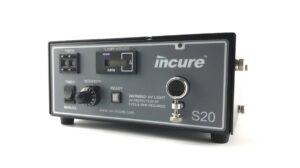
The Ultimate Guide to Dispensing Valve Controllers: Precision Control for Industrial Applications
In the world of precision manufacturing, the ability to apply fluids—ranging from thin solvents to thick pastes—with absolute accuracy is paramount. Whether it is a tiny dot of adhesive on a circuit board or a consistent bead of sealant on an automotive gasket, the difference between a perfect product and a rejected one often comes down to the control system. At the heart of these systems are dispensing valve controllers. These sophisticated devices serve as the “brain” behind the fluid delivery process, ensuring that every cycle is repeatable, accurate, and efficient.
As industries move toward further miniaturization and higher production speeds, the demand for advanced dispensing valve controllers has never been higher. In this comprehensive guide, we will explore what these controllers are, how they work, the different types available, and how to choose the right one for your specific industrial application.
What is a Dispensing Valve Controller?
A dispensing valve controller is an electronic device designed to regulate the operation of a dispensing valve. While the valve itself is the mechanical component that opens and closes to allow fluid flow, the controller dictates exactly when it opens, how long it stays open, and often, the pressure at which the fluid is delivered.
Without a dedicated controller, a dispensing valve is just a mechanical gate. With a controller, it becomes a precision instrument capable of delivering microliter-sized deposits with millisecond timing. These controllers interface with the valve—typically through pneumatic or electrical signals—and can be integrated into larger automated production lines or used as standalone benchtop units.
How Dispensing Valve Controllers Work
The fundamental role of dispensing valve controllers is to manage the variables that affect fluid volume. These variables include time, pressure, and mechanical stroke. Here is a breakdown of how the control process typically functions:
1. Timing Control
The most basic function of a controller is the timer. By setting a specific “on-time,” the user determines how long the valve remains open. High-end dispensing valve controllers offer timing resolutions down to 0.0001 seconds, allowing for extreme precision in high-speed applications.
2. Pressure Regulation
Fluid flow is heavily dependent on the air pressure applied to the material reservoir or the valve actuator. Many modern dispensing valve controllers feature integrated digital pressure regulators. This allows the operator to set and lock the exact PSI or Bar required, ensuring that fluctuations in factory air supply do not affect the consistency of the dispense.
3. Logic and Signal Processing
In automated environments, the controller receives a “trigger” signal from a PLC (Programmable Logic Controller) or a foot pedal. The controller processes this signal and activates the valve. Advanced controllers can also send “cycle complete” signals back to the main system, ensuring a closed-loop communication cycle that prevents errors.
Key Benefits of Using Advanced Dispensing Valve Controllers
Investing in high-quality dispensing valve controllers offers several competitive advantages for manufacturers:
- Unmatched Repeatability: Manual dispensing is prone to human error. Controllers ensure that the 1,000th deposit is identical to the first, reducing variability in the production process.
- Waste Reduction: By controlling the exact amount of fluid dispensed, companies can significantly reduce the over-application of expensive materials like silver epoxies, underfills, or specialized lubricants.
- Increased Throughput: Controllers enable faster cycle times. Because the timing is digital and precise, valves can actuate at hundreds of cycles per minute, far exceeding manual capabilities.
- Ease of Integration: Modern controllers are designed to communicate with robotic arms and CNC platforms, making them essential for Industry 4.0 smart factories.
Types of Dispensing Valve Controllers
Not all dispensing applications are the same, and neither are the controllers. Depending on the fluid viscosity and the type of valve being used, you may require a specific type of controller.
Pneumatic Controllers
These are the most common types of dispensing valve controllers. They use compressed air to actuate the valve. They are ideal for needle valves, diaphragm valves, and spool valves. They typically feature a solenoid valve inside the controller that switches the air flow on and off based on the timer settings.
Electric and Piezo Controllers
For ultra-high-speed applications, such as jetting, pneumatic signals may be too slow. Electric or Piezo controllers use electrical impulses to actuate the valve mechanism. These are often used in the electronics industry for “flying” dispense applications where the valve does not touch the substrate.
Multi-Channel Controllers
In complex assembly lines, you may need to control multiple valves simultaneously or in a specific sequence. Multi-channel dispensing valve controllers allow for the management of two or more valves from a single interface, ensuring synchronized operation and saving valuable floor space.
Critical Features to Look For
When evaluating dispensing valve controllers for your facility, consider the following technical features:
Digital vs. Analog Interfaces
While analog dials are simple, digital interfaces provide better accuracy and “lockable” programs. Digital controllers allow you to save specific recipes for different parts, making changeovers faster and more reliable.
Suck-Back (Snuff-Back) Control
To prevent “tailing” or “drooling” of the fluid at the end of a cycle, many controllers offer a suck-back feature. This momentarily reverses the pressure or adjusts the valve stem to pull the fluid back into the nozzle, ensuring a clean break.
Low-Pressure Sensors and Alarms
If the air pressure drops or the material reservoir runs dry, you want the system to stop immediately. Look for dispensing valve controllers with built-in alarm outputs to prevent the production of defective parts.
I/O Connectivity
Ensure the controller has the necessary Input/Output ports to talk to your existing automation. Standard 24V DC signals are common, but some high-end units also support Ethernet or serial communication for deeper data logging.
Industrial Applications of Dispensing Valve Controllers
The versatility of these controllers makes them indispensable across a wide range of sectors:
- Electronics: Applying solder paste, potting compounds, and conformal coatings to PCBs.
- Medical Device Manufacturing: Precise application of UV-cure adhesives on catheters and surgical instruments where dosage is strictly regulated.
- Automotive: Dispensing lubricants on engine parts or applying gaskets and sealants to transmission housings.
- Aerospace: Applying specialized primers and bonding agents where material weight and placement are critical for safety.
- Packaging: High-speed dispensing of food-grade oils, scents, or adhesives for box sealing.
Optimizing Your Dispensing Process
Simply having a controller is not enough; it must be calibrated correctly for the material in use. Fluid viscosity is highly temperature-dependent. If your factory floor temperature fluctuates, the flow rate of your fluid will change even if the controller settings remain the same.
To combat this, some advanced dispensing valve controllers can be paired with temperature control units that heat or cool the valve and fluid lines. Furthermore, regular calibration of the pressure sensors within the controller is necessary to maintain long-term accuracy.
If you are unsure which setup is best for your specific fluid, [Contact Our Team](https://shop.blazeasia.com/pages/contact) for expert advice on system integration.
Integration with Robotics and Automation
The modern manufacturing landscape is defined by automation. Dispensing valve controllers are a vital link in this chain. When integrated with a 3-axis or 4-axis dispensing robot, the controller ensures that the fluid starts and stops exactly where the robot’s coordinates dictate.
Advanced integration allows for “on-the-fly” adjustments. For example, if a vision system detects a slightly misaligned part, the PLC can tell the dispensing valve controller to delay the start time by a few milliseconds to compensate, ensuring the fluid always lands in the correct spot.
Common Troubleshooting Tips
Even with the best dispensing valve controllers, issues can arise. Here are a few common problems and their solutions:
- Inconsistent Deposits: Check for air bubbles in the fluid line. Ensure the controller’s pressure regulator is not fluctuating.
- Valve Failing to Open: Verify that the solenoid inside the controller is clicking. Check the electrical or pneumatic connections between the controller and the valve.
- Material Clogging: This is often a valve or nozzle issue, but ensure the controller is not leaving the valve open too long, causing material to cure in the tip.
- Timer Drift: In older analog controllers, timers can drift over time. Upgrading to a digital dispensing valve controller eliminates this issue.
The Future of Dispensing Control
The future of fluid dispensing lies in data. We are seeing the rise of “Smart Controllers” that not only control the valve but also record the data of every single dispense cycle. This data can be analyzed to predict when a valve might fail (predictive maintenance) or to provide a full traceability log for high-stakes industries like medical and aerospace manufacturing.
Artificial Intelligence (AI) is also beginning to play a role. AI-driven dispensing valve controllers can automatically adjust pressure and timing in real-time by sensing changes in fluid viscosity or ambient temperature, moving toward a truly autonomous manufacturing process.
Conclusion: Choosing the Right Partner for Your Dispensing Needs
Selecting the right dispensing valve controllers is a critical decision that impacts your product quality, production speed, and bottom line. By understanding the nuances of timing, pressure, and integration, you can transform your fluid dispensing from a bottleneck into a competitive advantage.
Whether you are looking for a simple benchtop solution or a fully integrated automated system, precision is the goal. High-quality controllers provide the stability and flexibility needed to handle the challenges of modern industrial manufacturing.
Ready to upgrade your production line with the latest in dispensing technology? Our experts are here to help you find the perfect match for your application.
Visit [www.blazeasia.com](https://shop.blazeasia.com) for more information.